* Thinking
* Thinking
My point of view about creativity, AI, culture and the future of creative work.
An open conversation with those who want to create, lead, and keep growing in an industry changing faster than the briefs.
Follow on Instagram: www.instagram.com/kevin_zung/
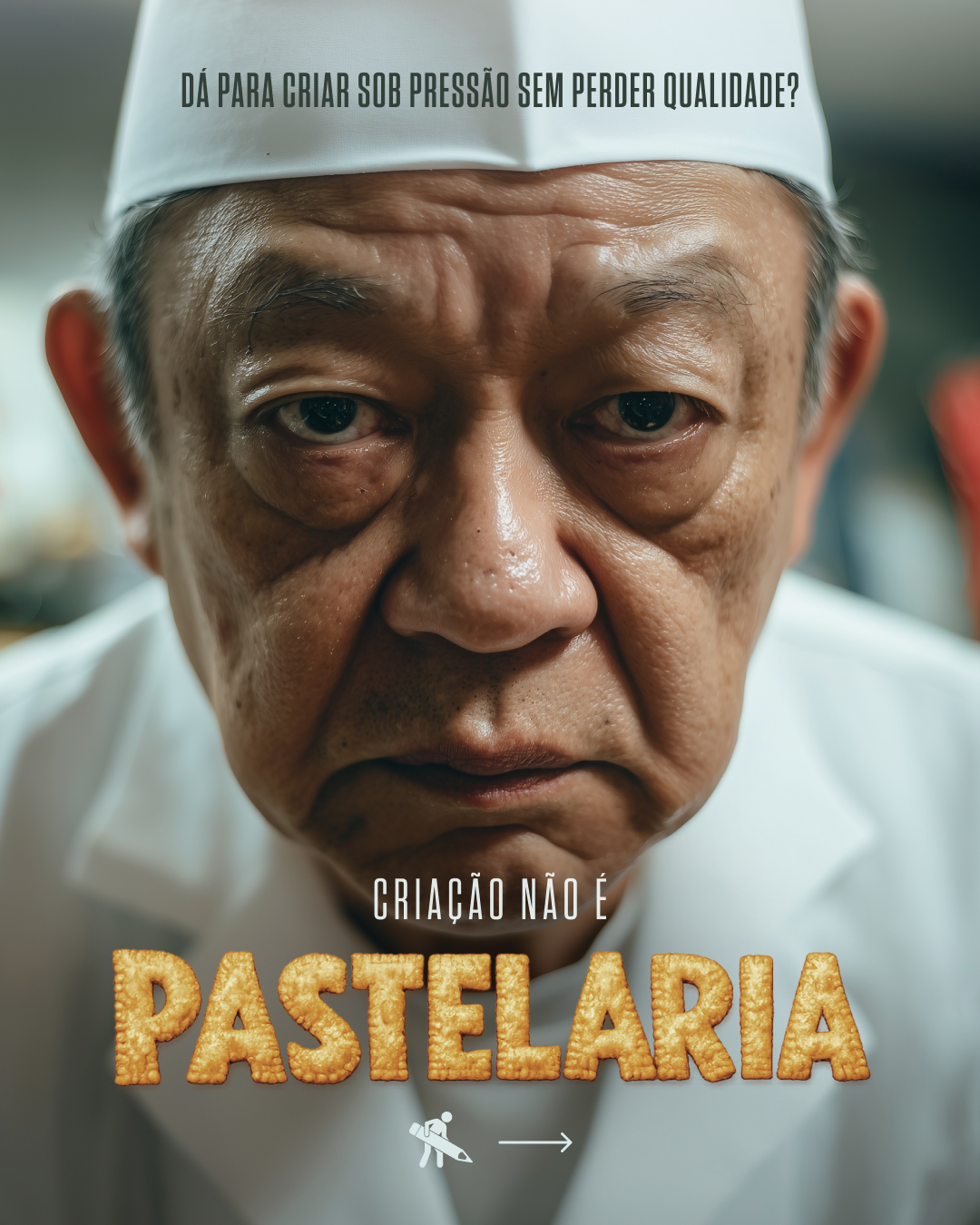
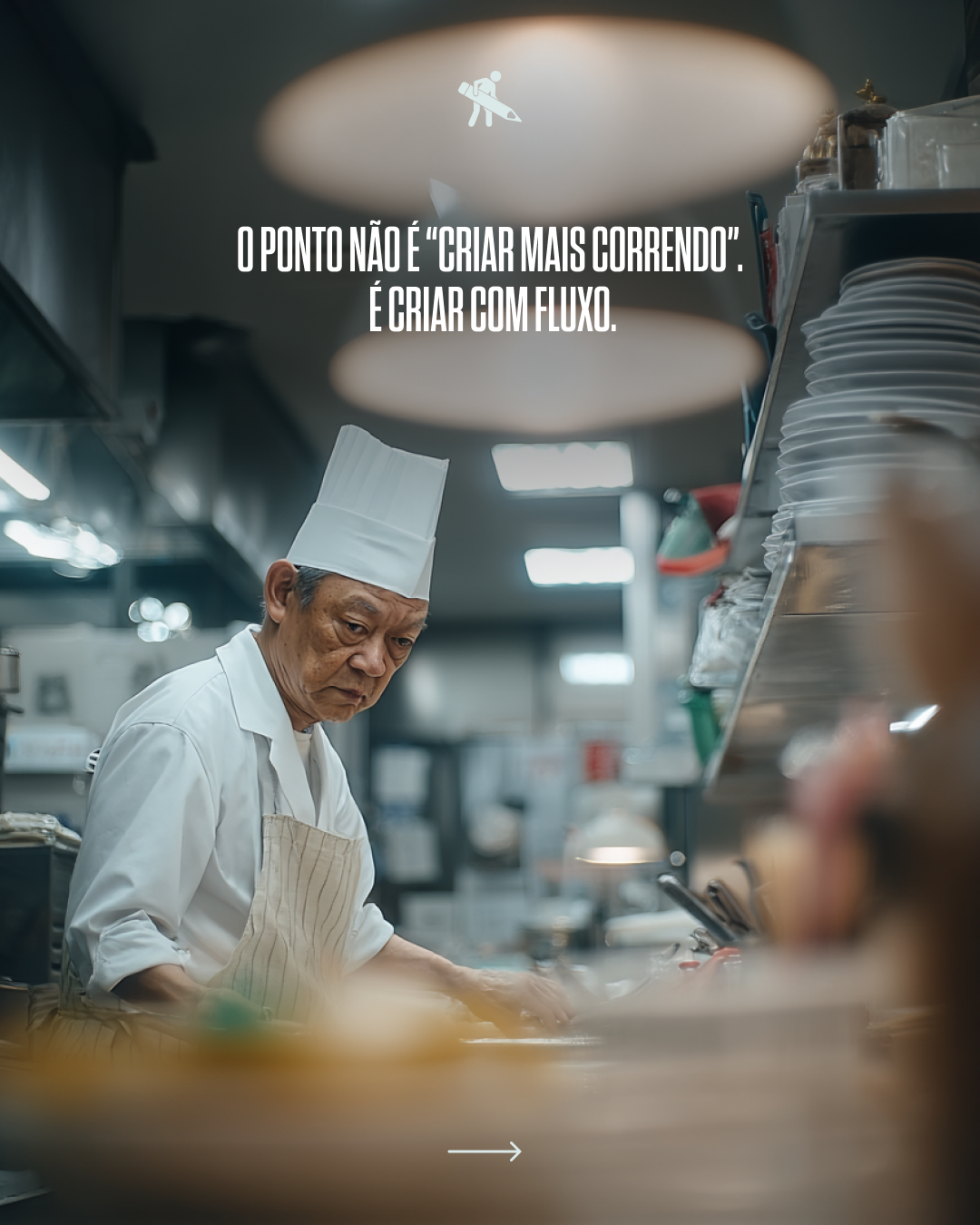
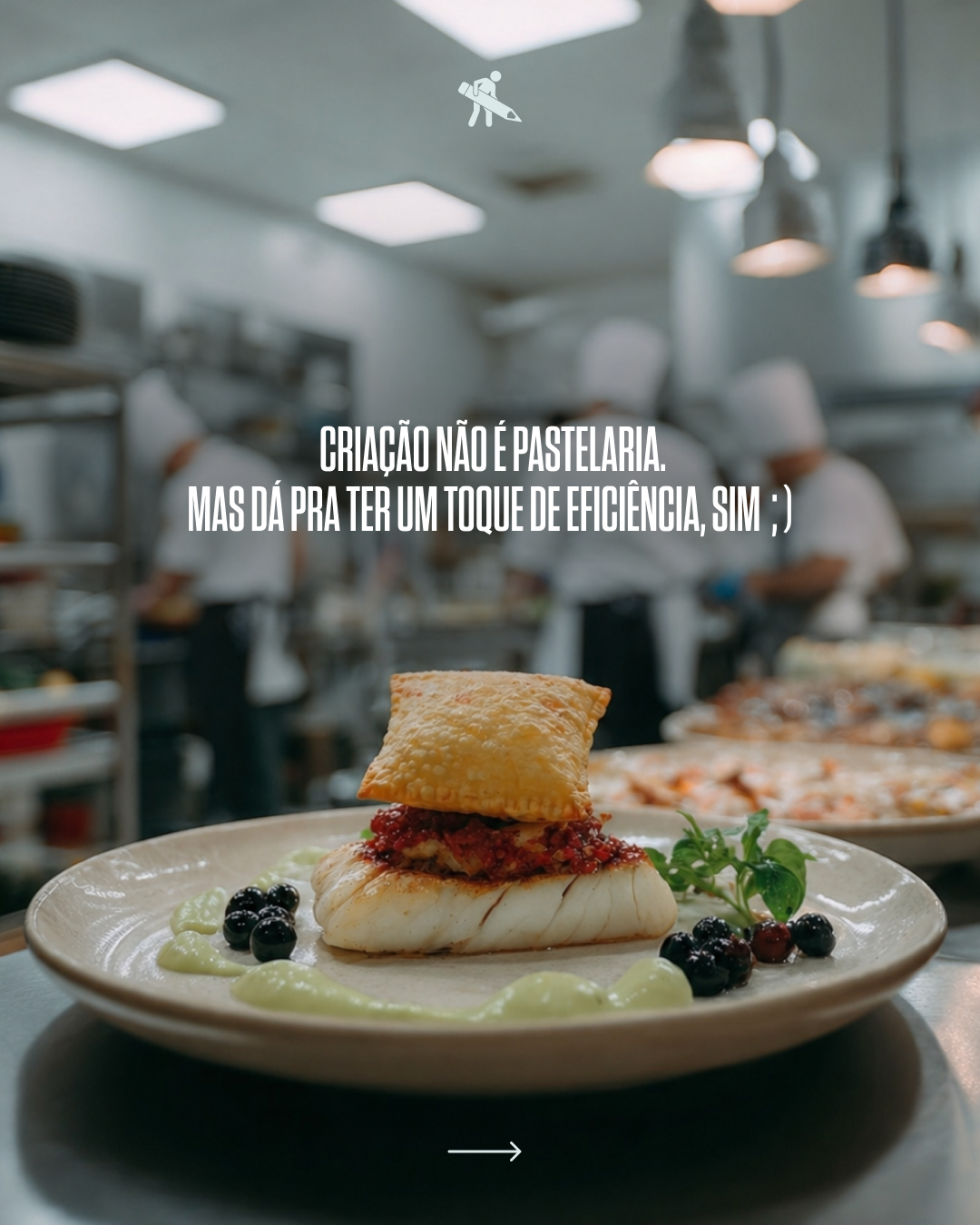
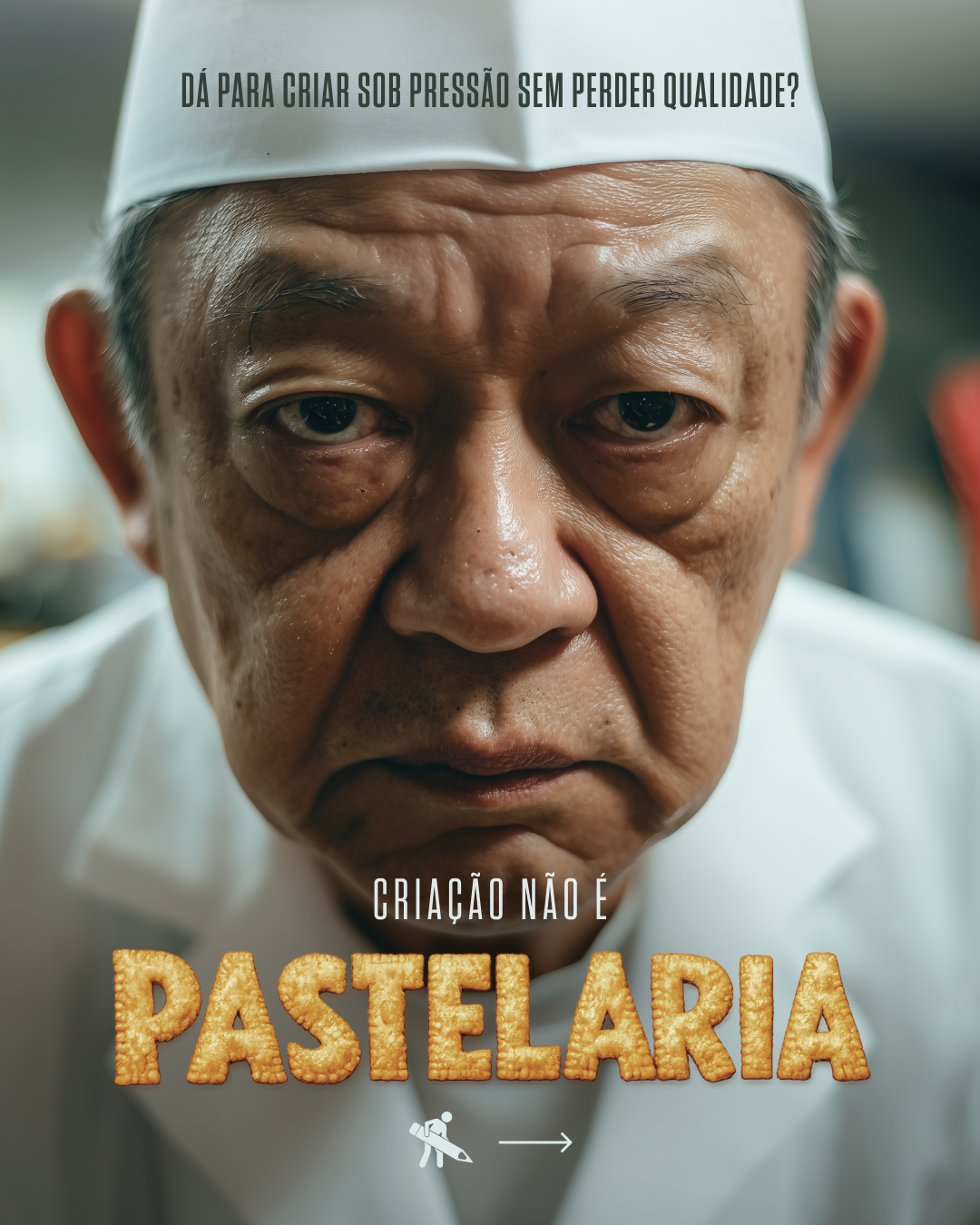
CREATIVITY ISN’T A PRODUCTION LINE. Can you create under pressure without losing quality? Creativity isn’t a production line. Yes, creativity takes time. But clients usually want it yesterday. And then this happens: briefs start coming in faster than ideas come out. The point isn’t to “create faster.” It’s to create with flow. When you get stuck, it’s usually a lack of clarity, references, or decision-making. That’s where AI comes in: finding audience insights, expanding references, exploring alternative routes, names, headlines, and arguments. You stay focused on what really matters: taste and decision-making. Creativity isn’t a production line. But it can definitely benefit from a bit more efficiency ;)
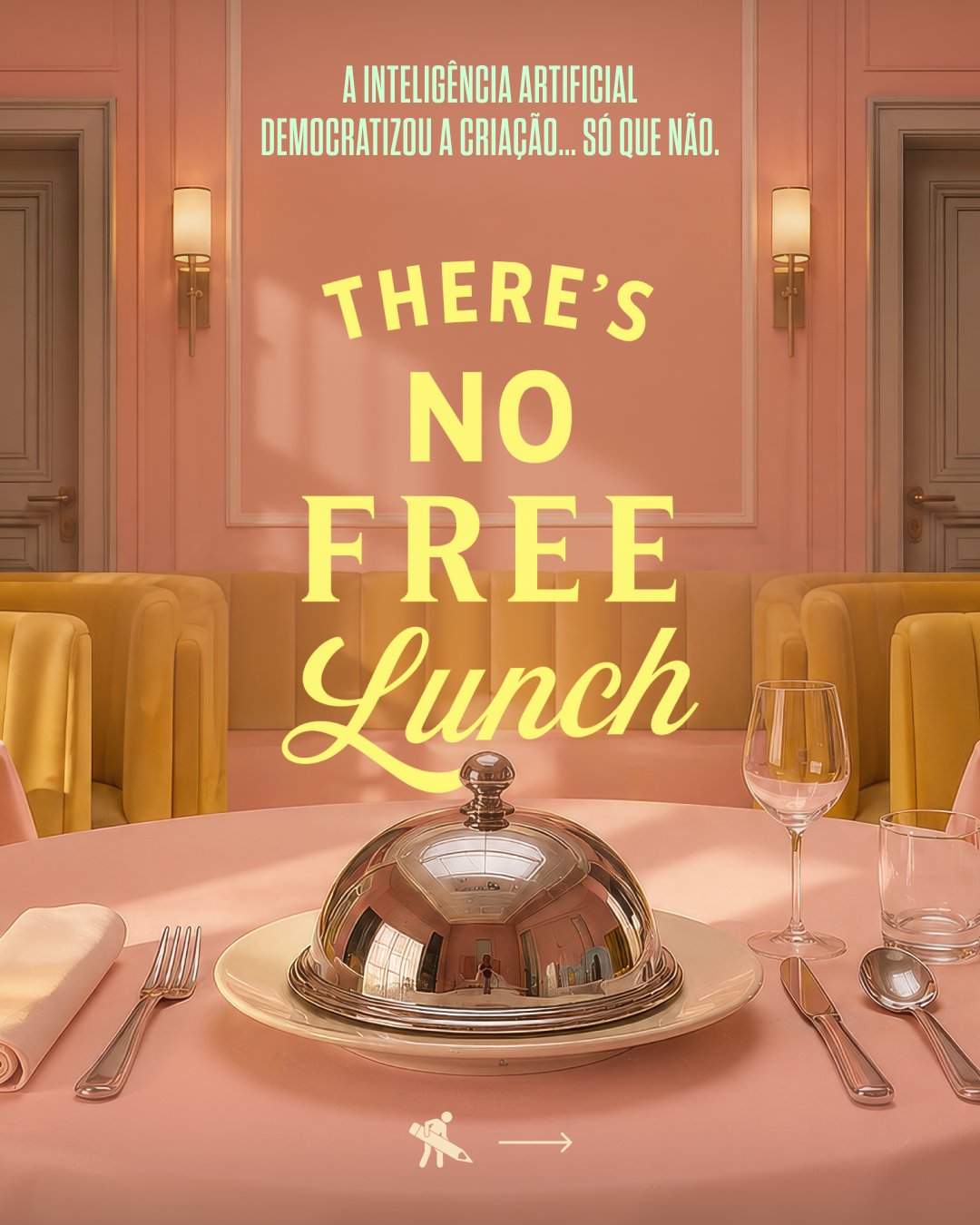

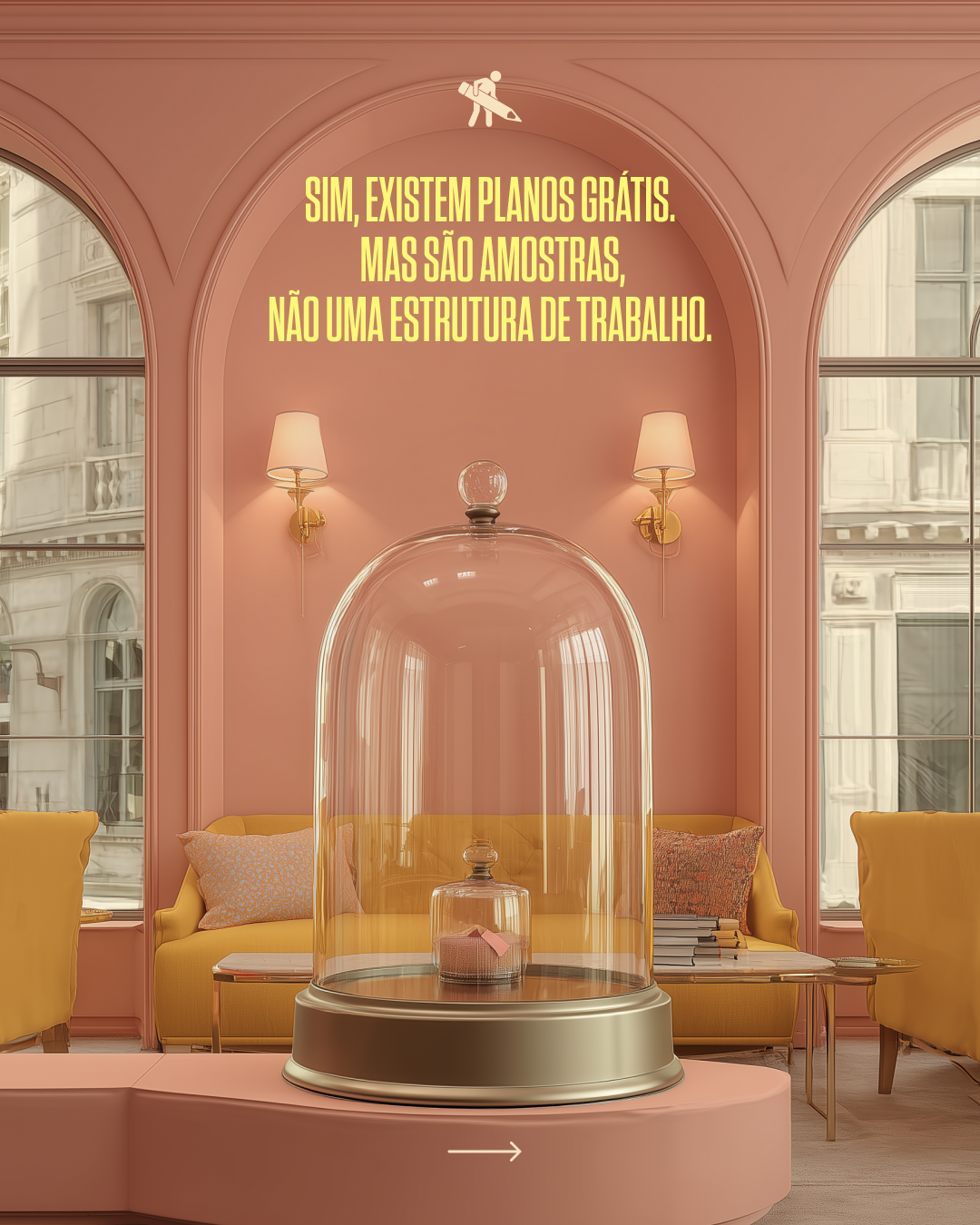

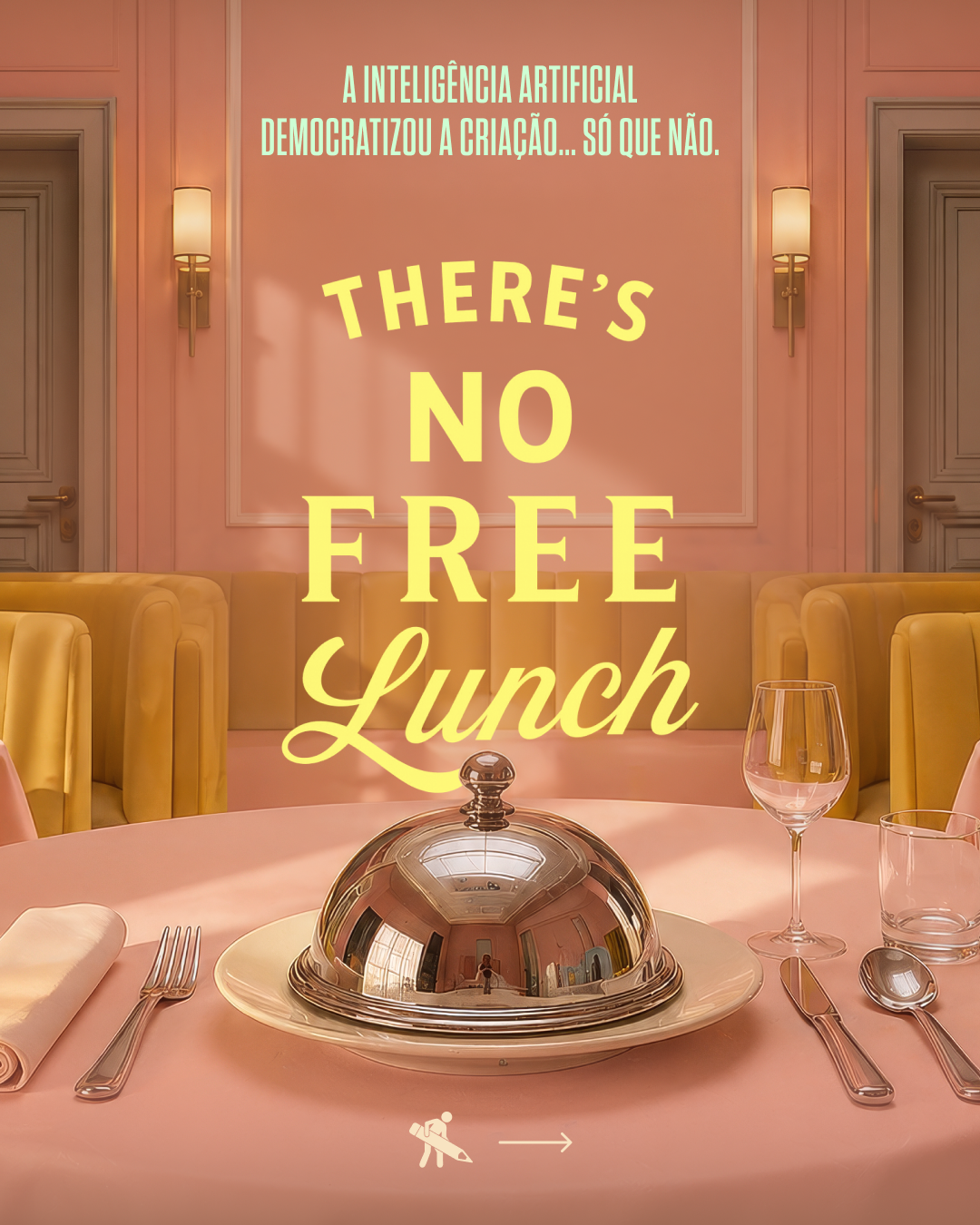
THERE’S NO FREE LUNCH. Artificial intelligence has democratized creation. That much is true. It may seem like anyone can now create anything. In practice, it’s not that simple. To use AI with consistency and quality, there’s still a learning curve. It takes time and money. Claude, ChatGPT, Midjourney, Krea… and for a lot of people, that cost adds up. Yes, there are free plans. But they’re usually limited, not enough for a real creative workflow. Just like the difference between experimenting and actually producing with consistency. At your company, is AI really just an expectation… or is it also an investment?
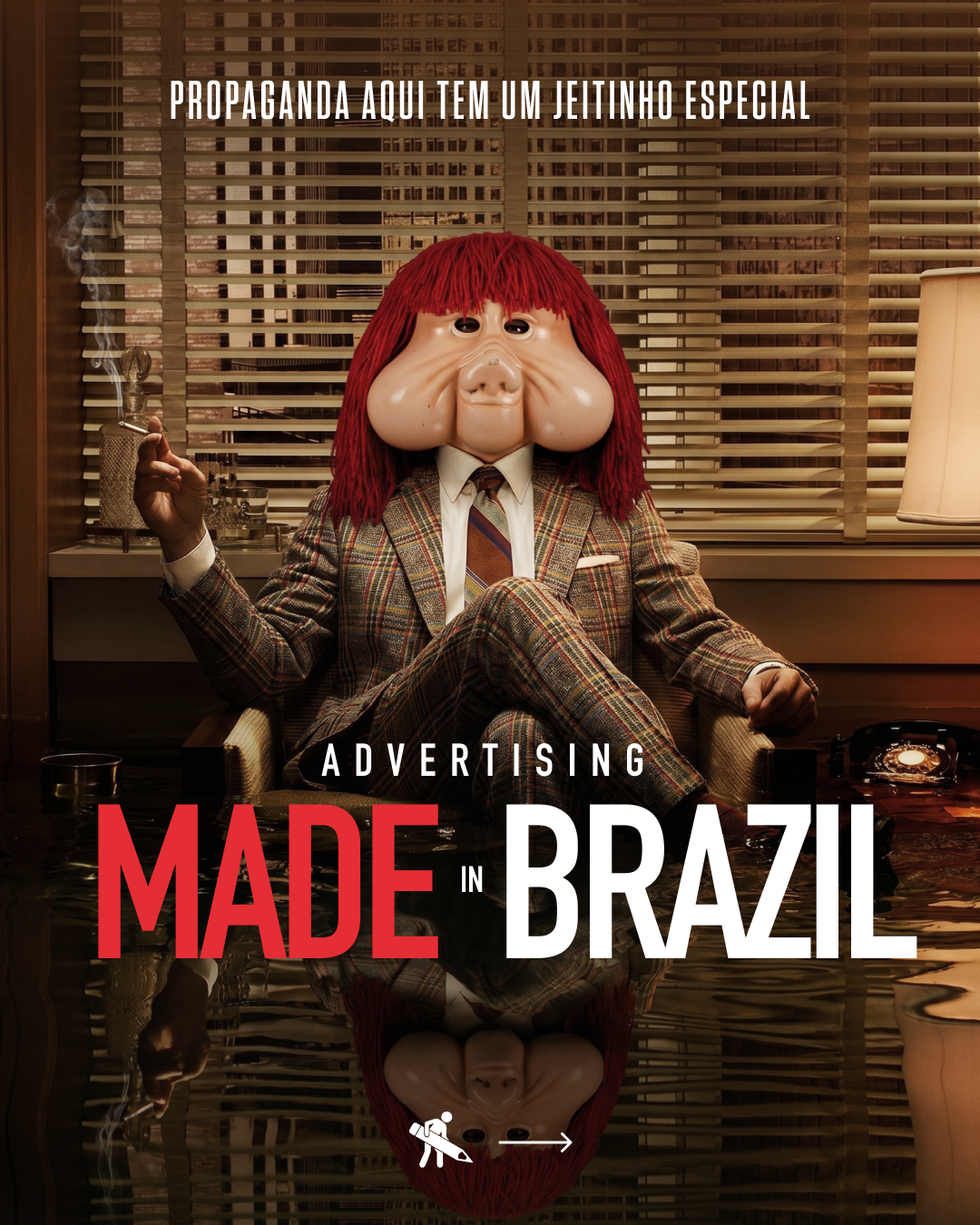
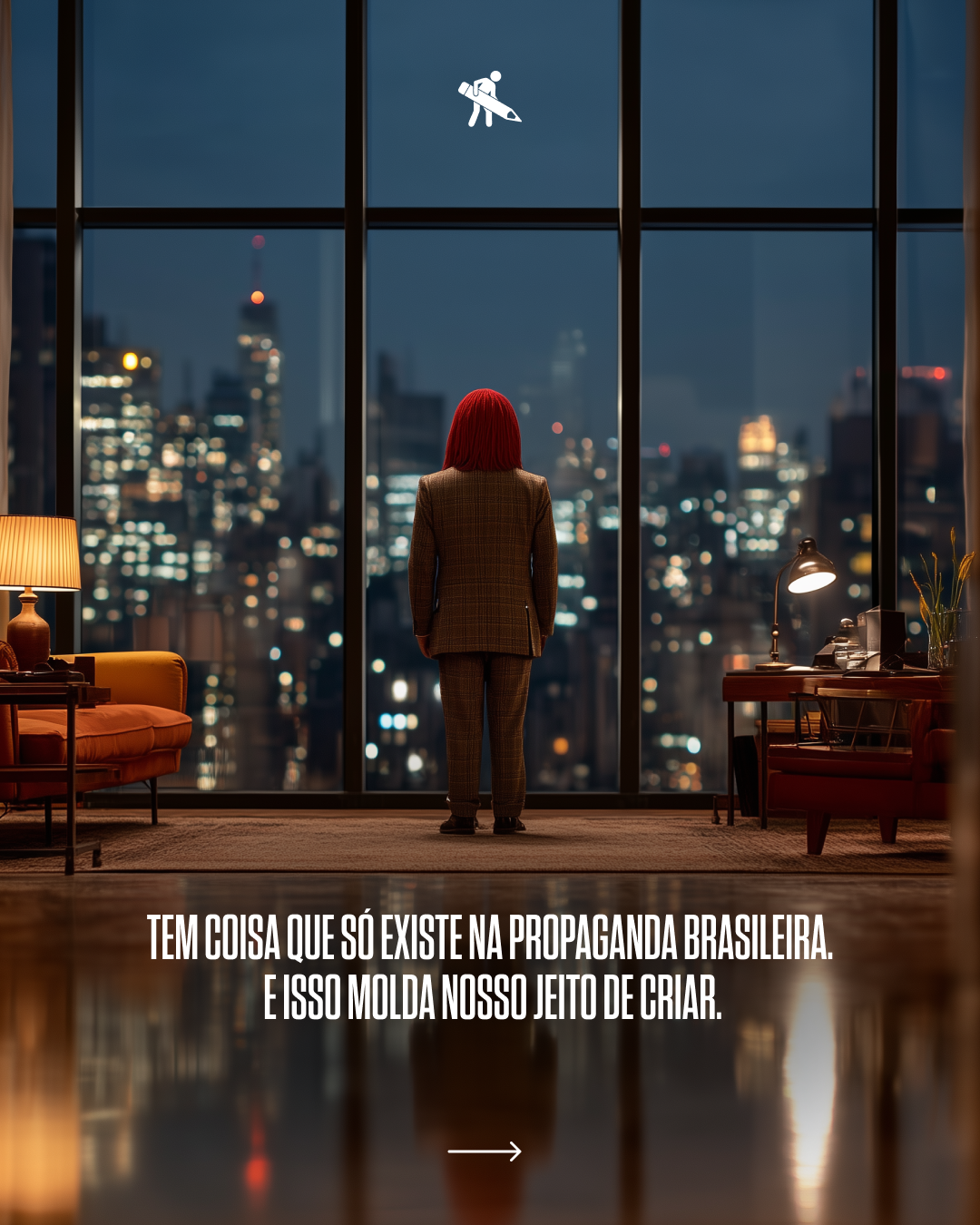
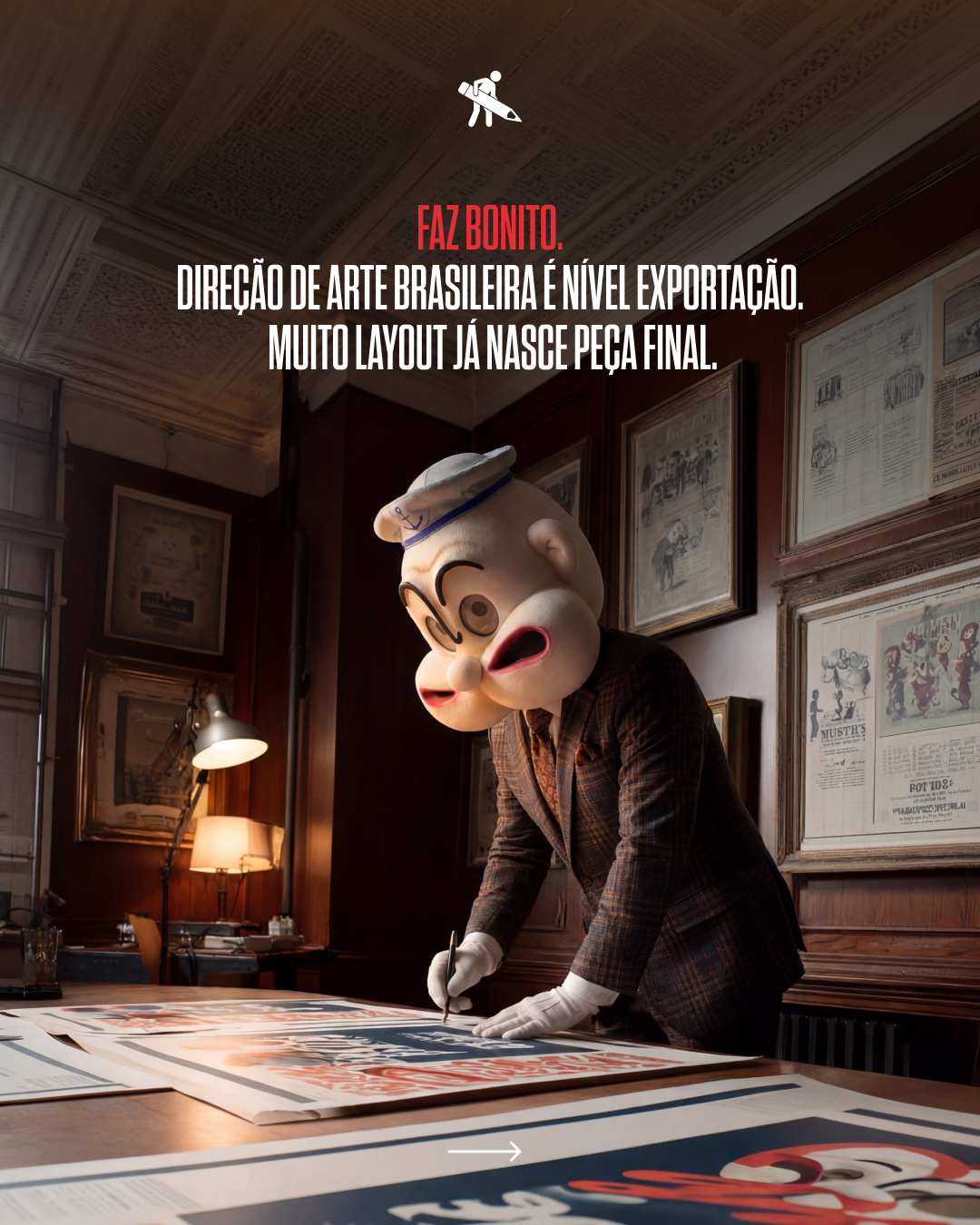
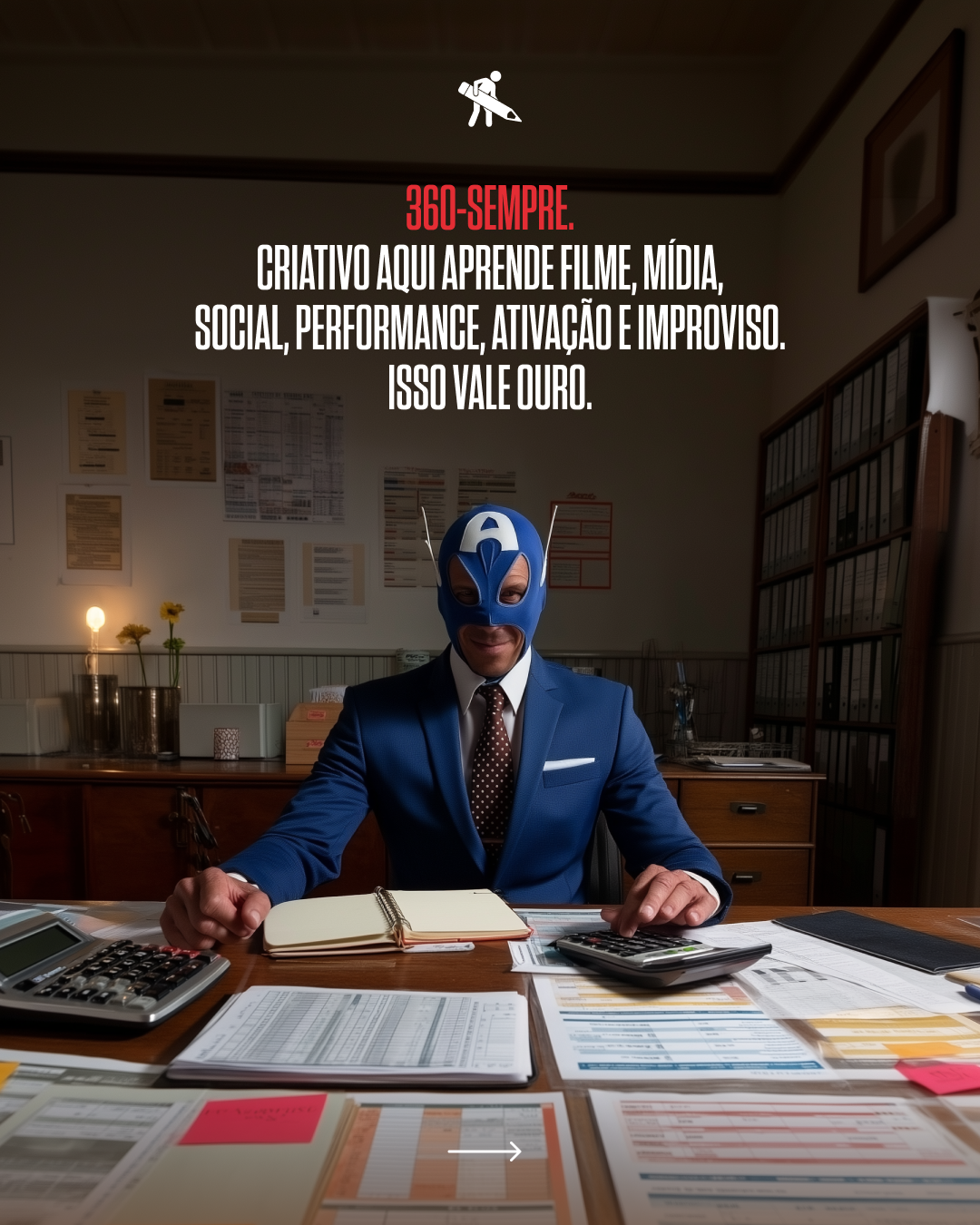
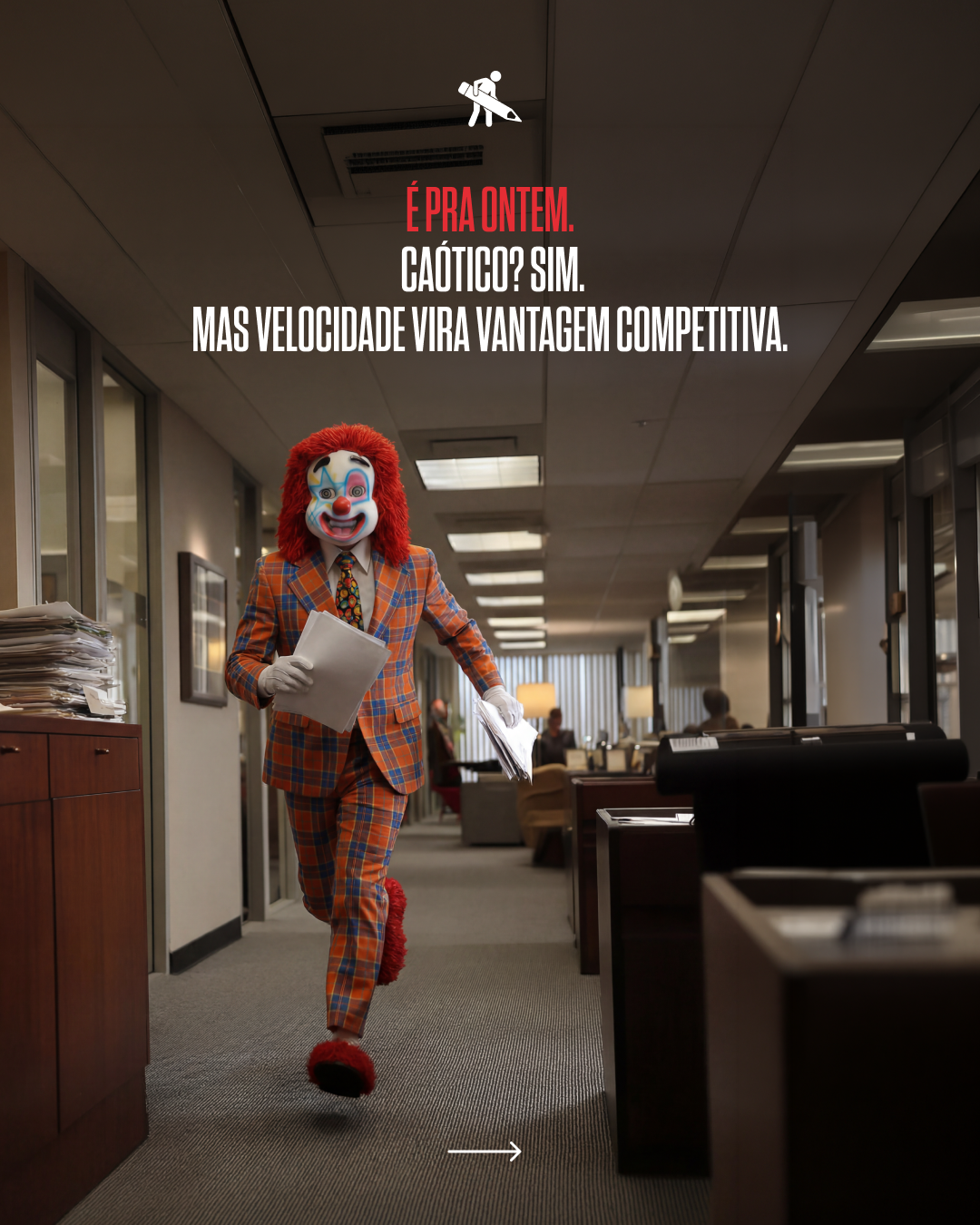
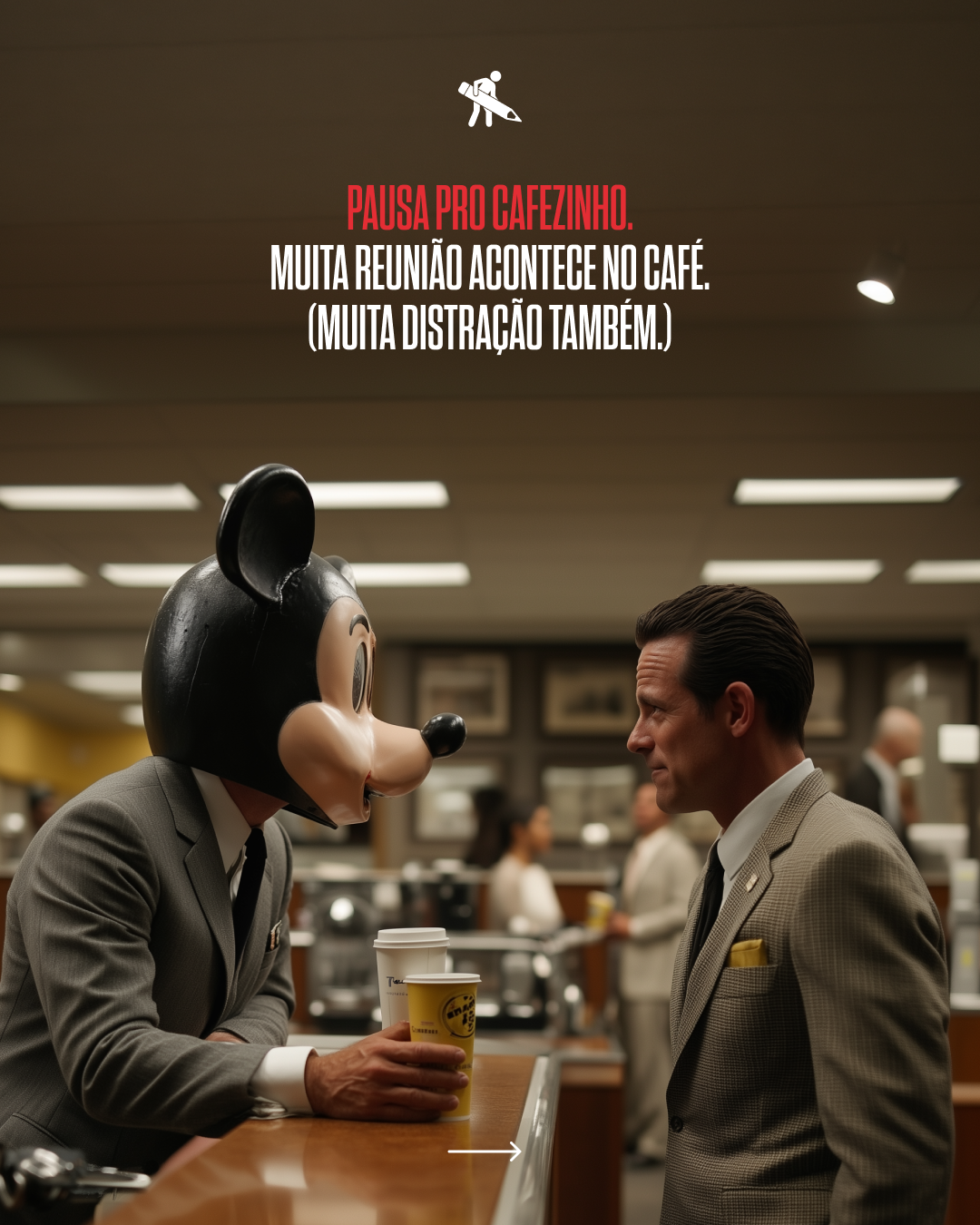
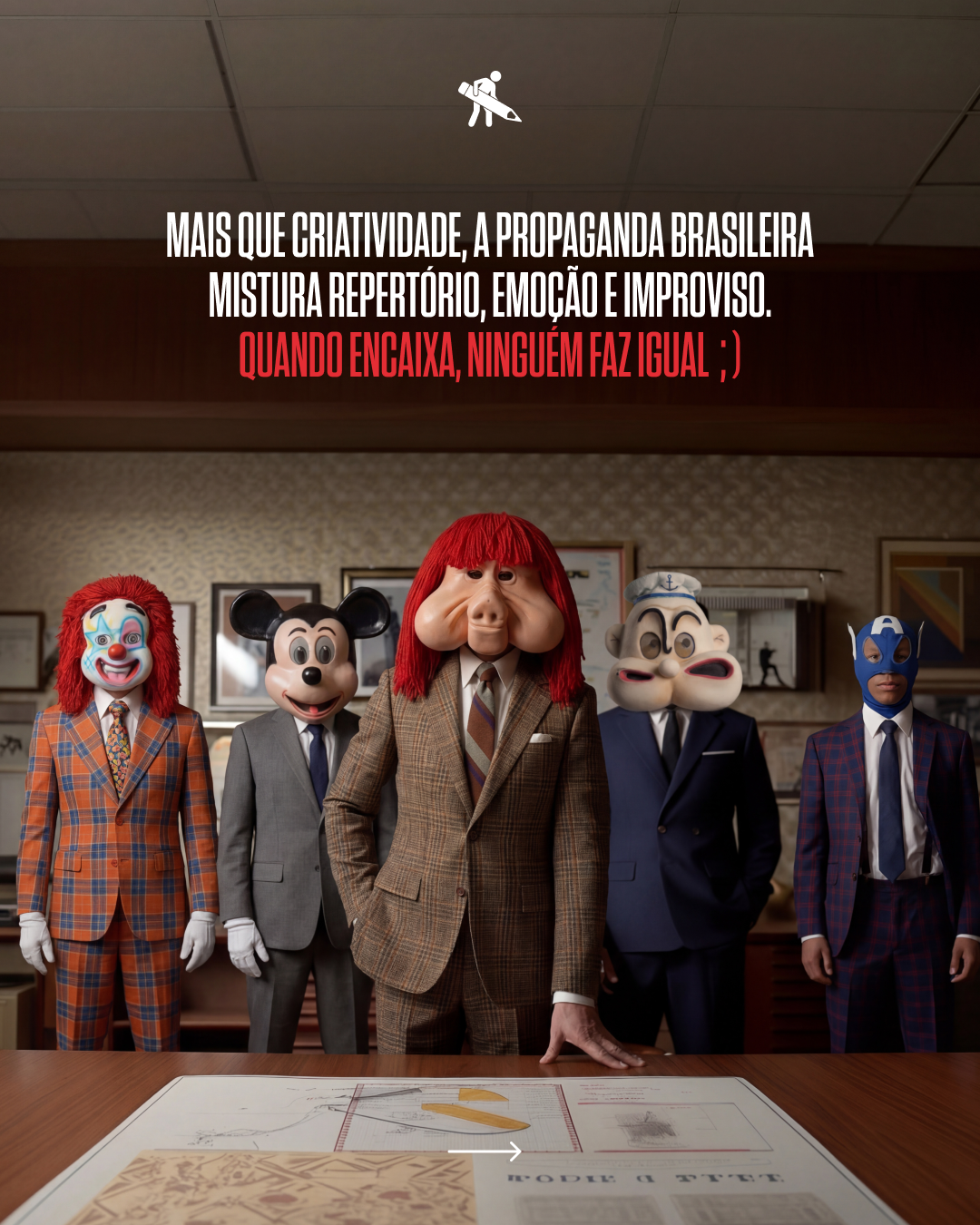
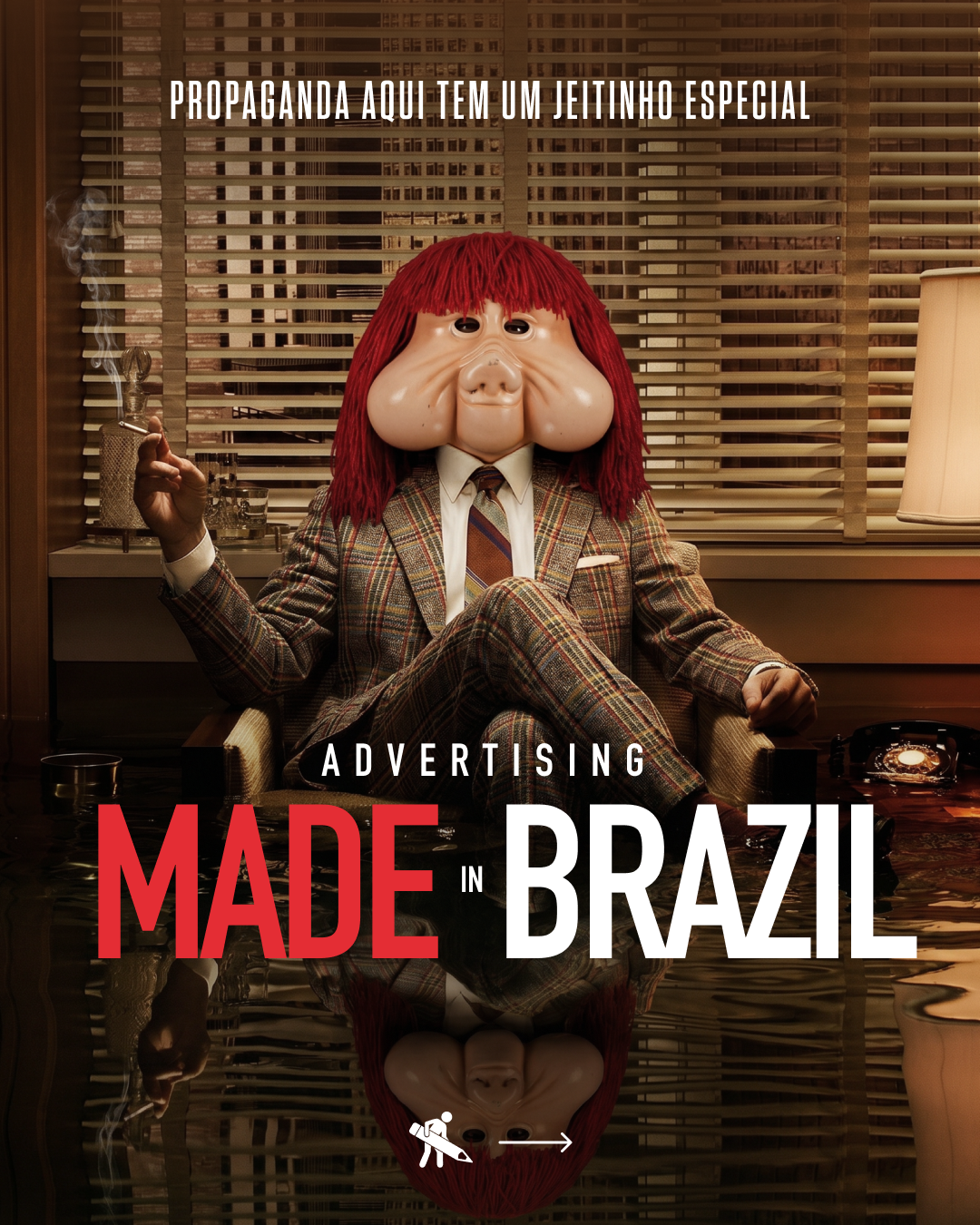
ADVERTISING MADE IN BRASIL. Brazilian advertising has its own way of working. There are things that only exist in Brazilian advertising, and they shape how we create. 360 campaigns everywhere. Creatives learning film, social, performance, activation, improv. That chaos? It becomes repertoire. Coffee breaks? Half the meetings happen there. Distraction too. Art direction in Brazil is almost an export product. A huge amount of layout attention and obsession with the final piece. Is it chaotic? Absolutely. But that speed can become a competitive advantage. More than creativity, Brazilian advertising mixes technique, emotion, and improvisation. And when it clicks, nobody does it quite like us ;)
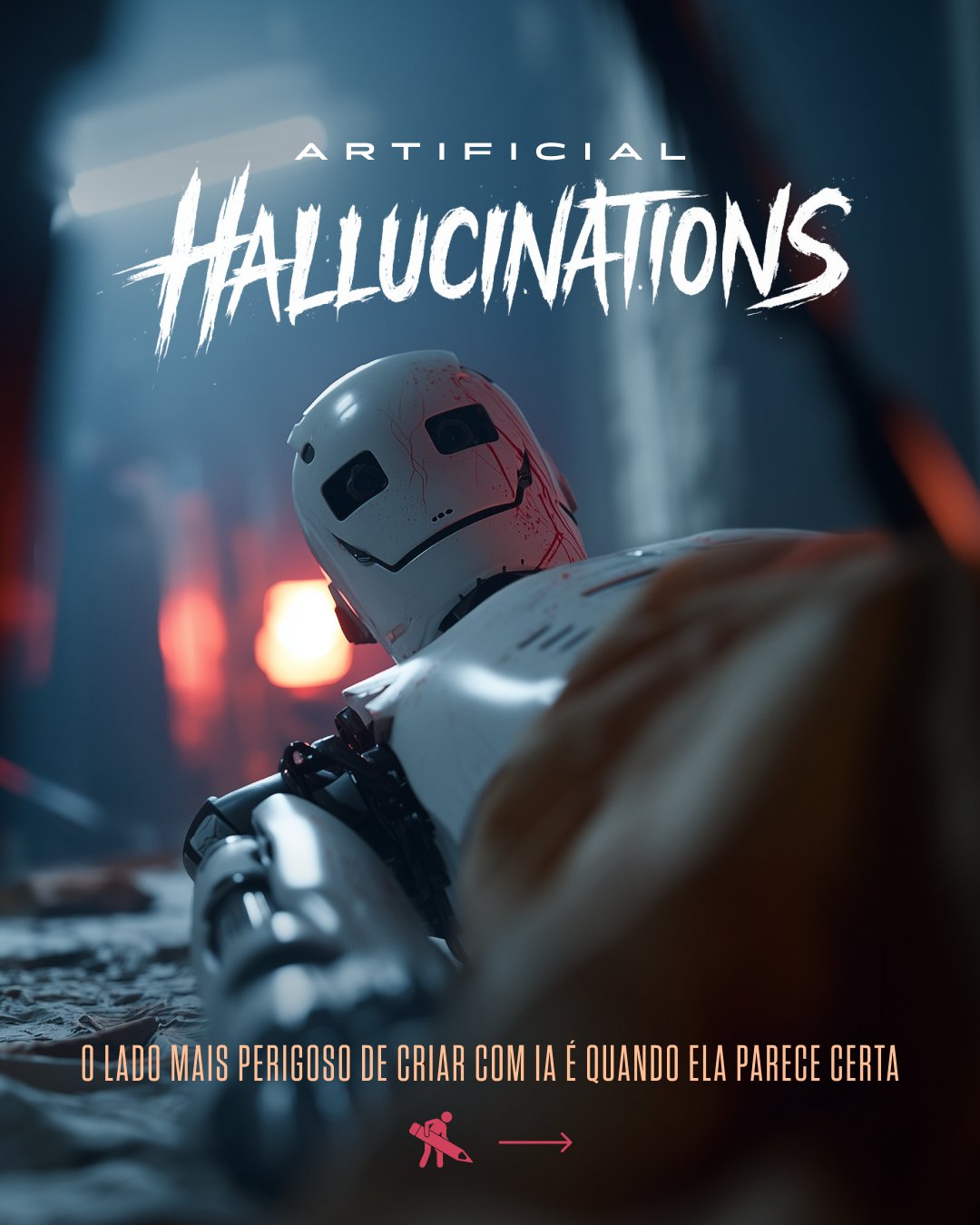
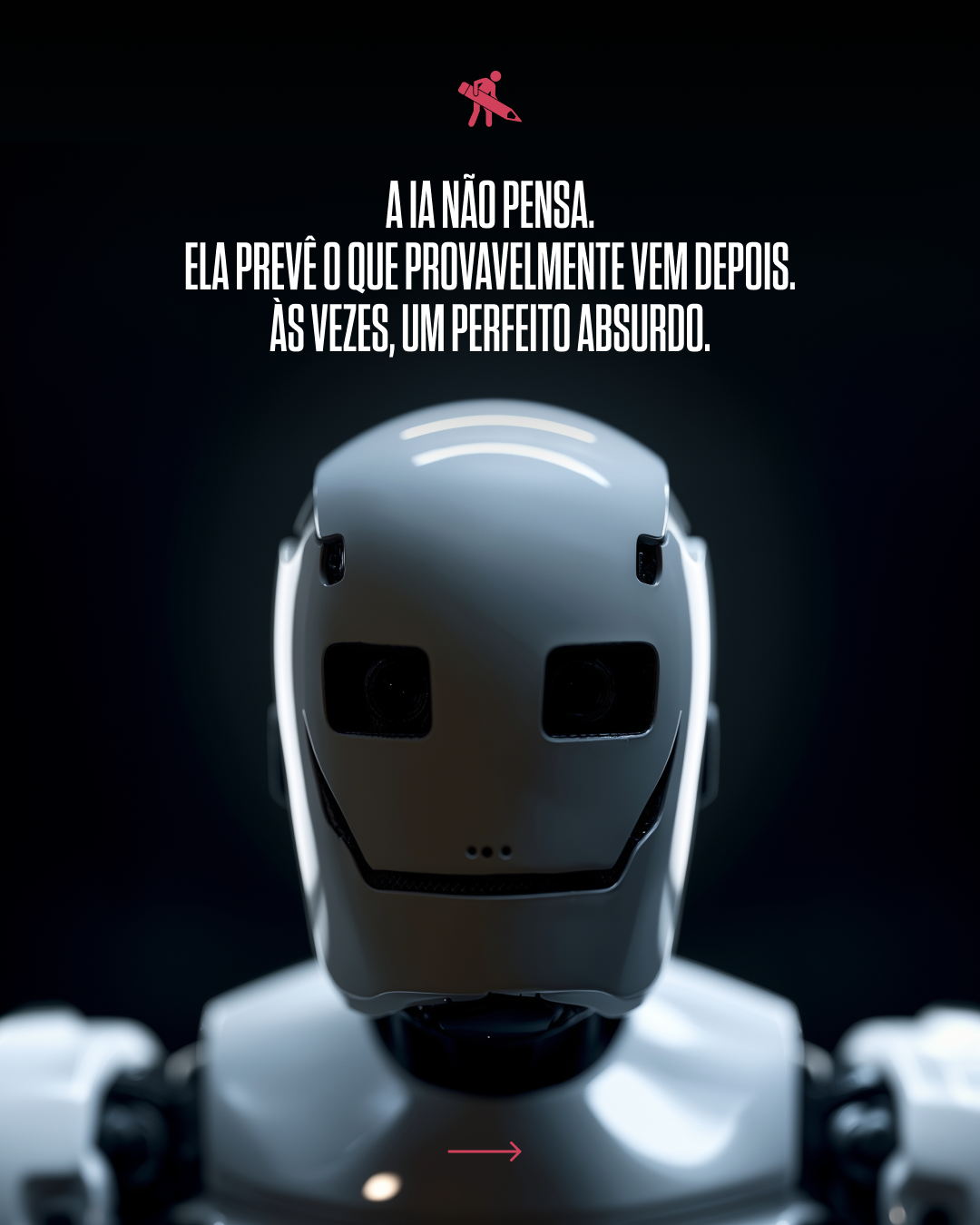
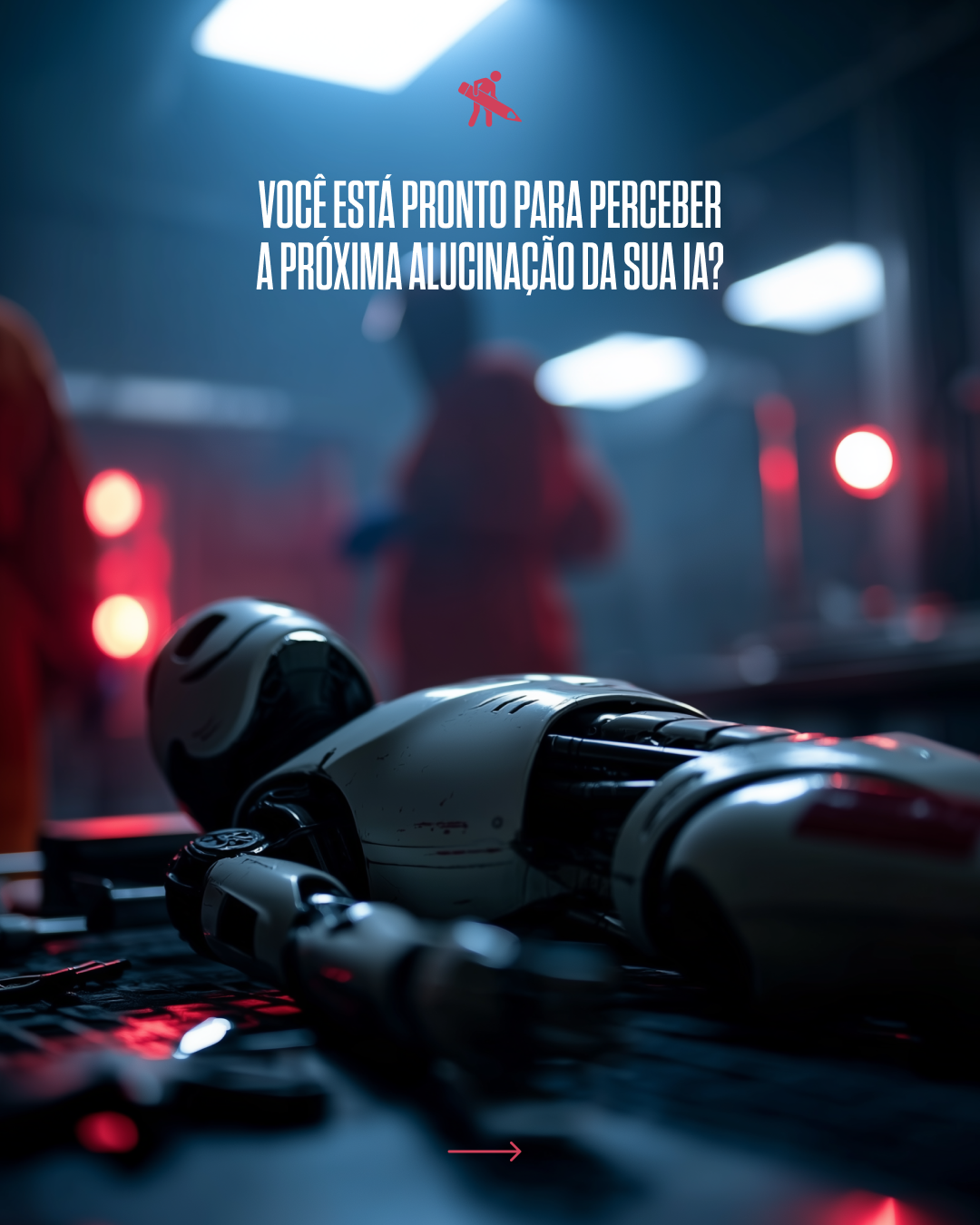
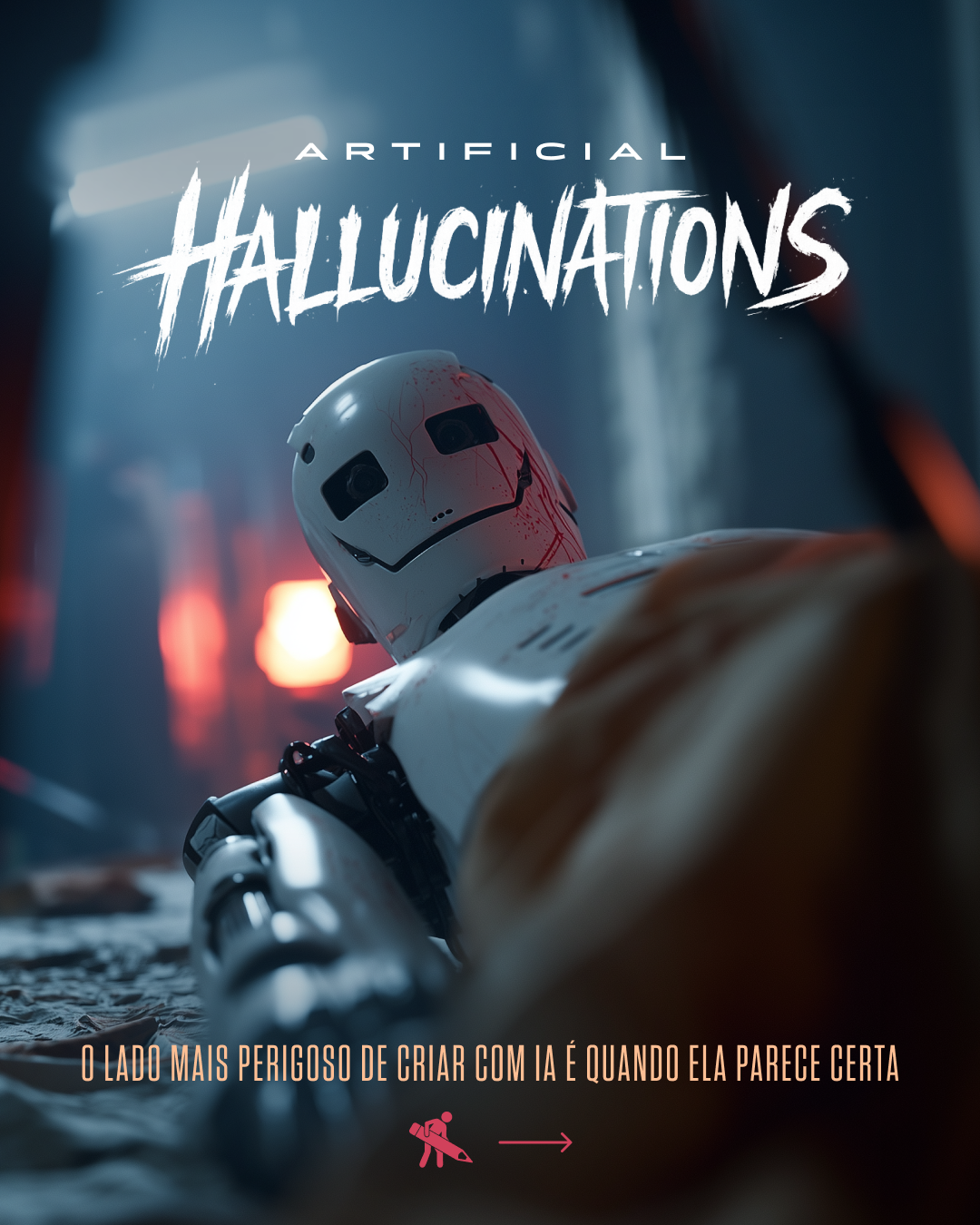
ARTIFICIAL HALLUCINATIONS. The most dangerous side of creating with AI is when it sounds right. AI doesn’t think. It predicts what usually comes next. Sometimes brilliantly. Sometimes absurdly. That’s why AI can invent data, insights, references, and fake strategies with total confidence. And the scary part? Now it can present those ideas in increasingly intelligent and presentation-ready ways. The danger isn’t AI making mistakes. It’s you not noticing them. Creative advantage isn’t about AI. It’s about repertoire, judgment, and critical thinking. Are you ready to spot the next AI hallucination?
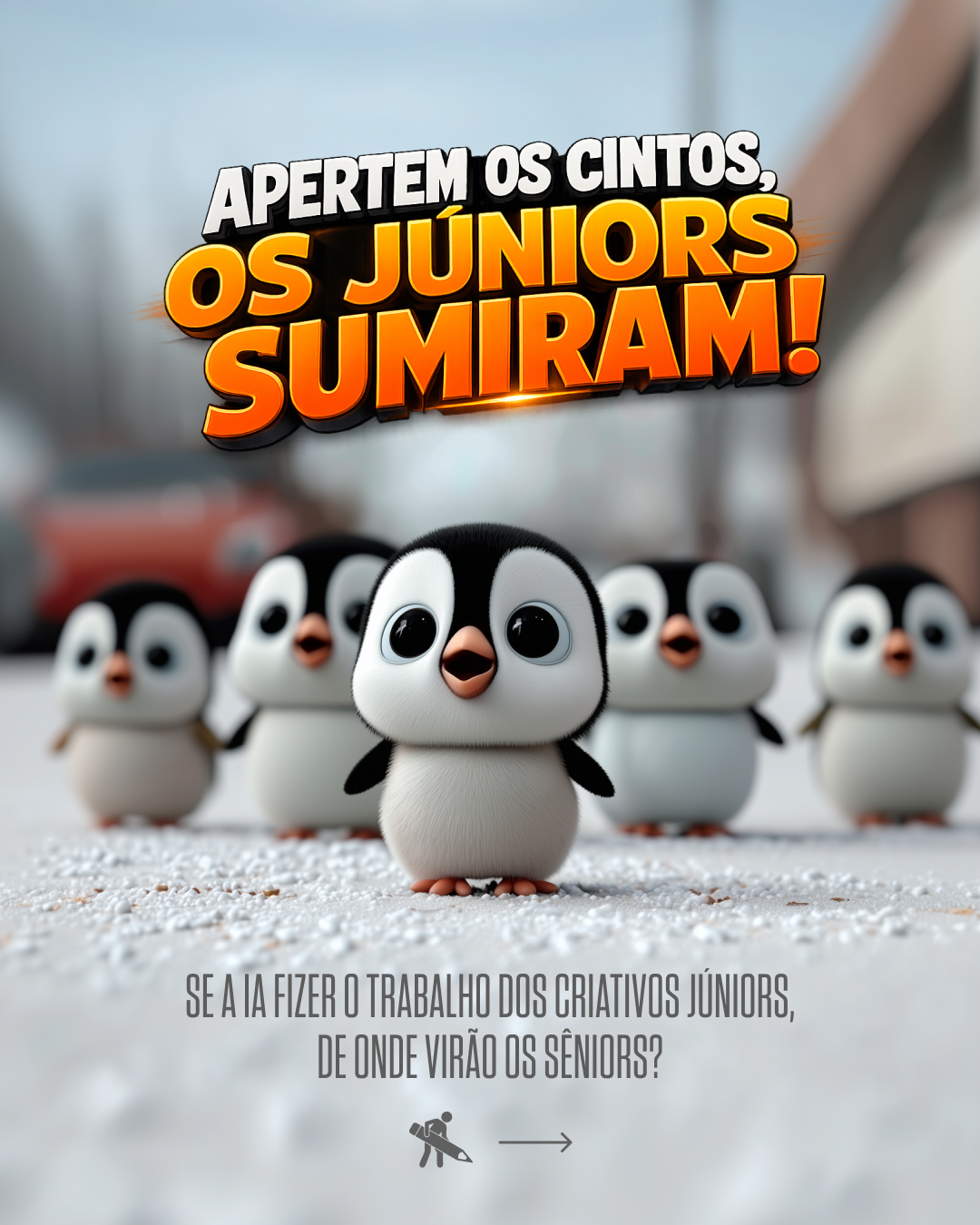
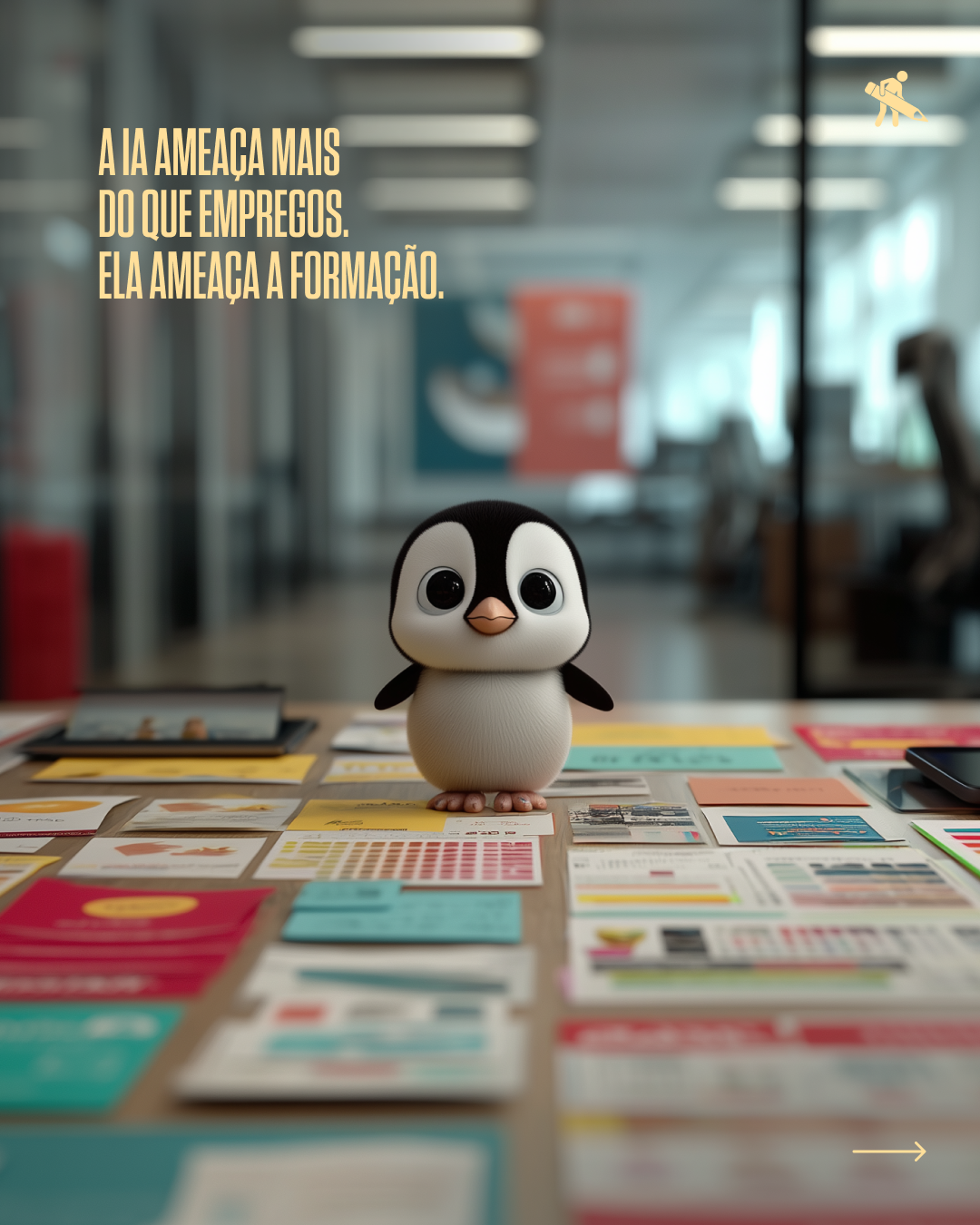
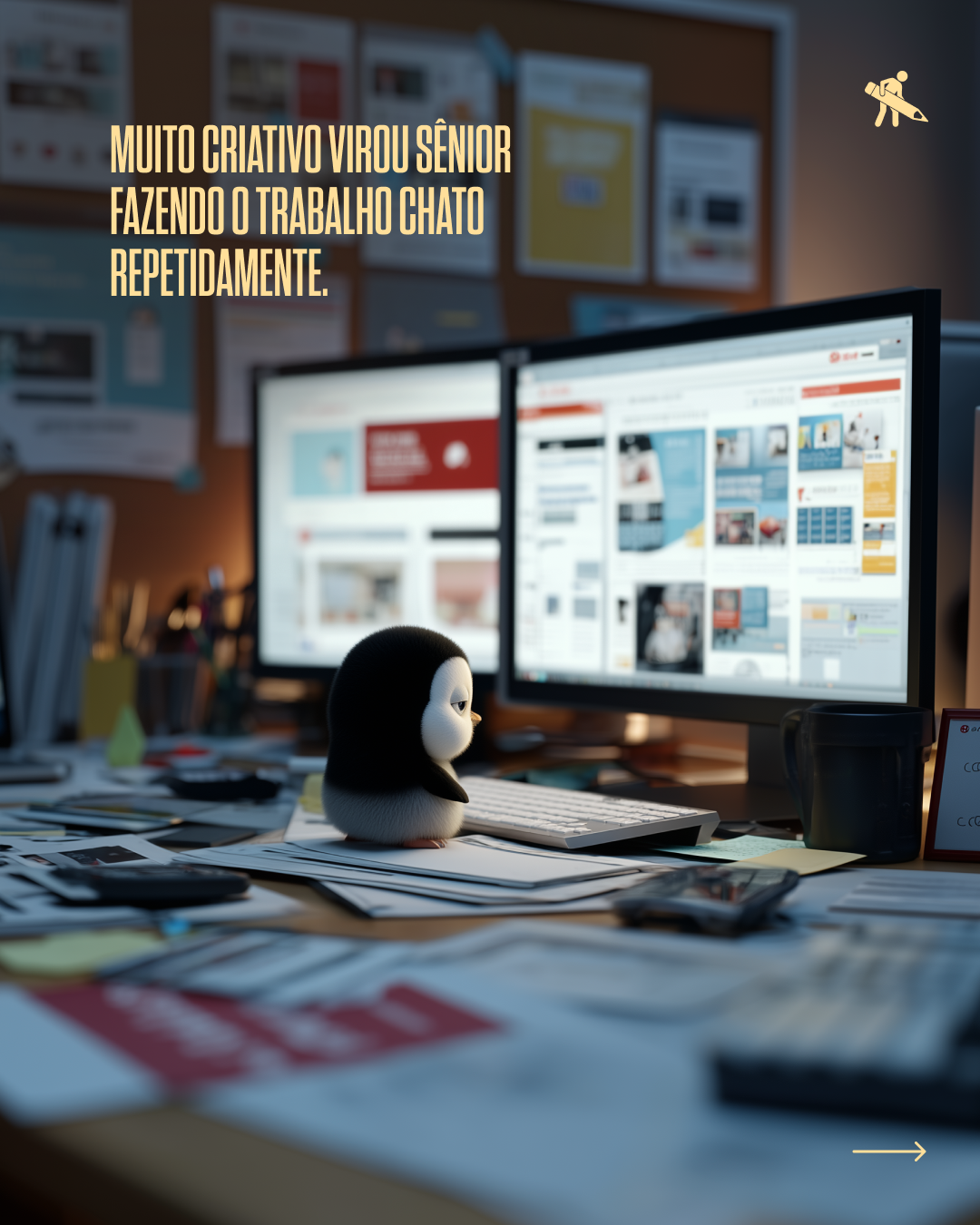
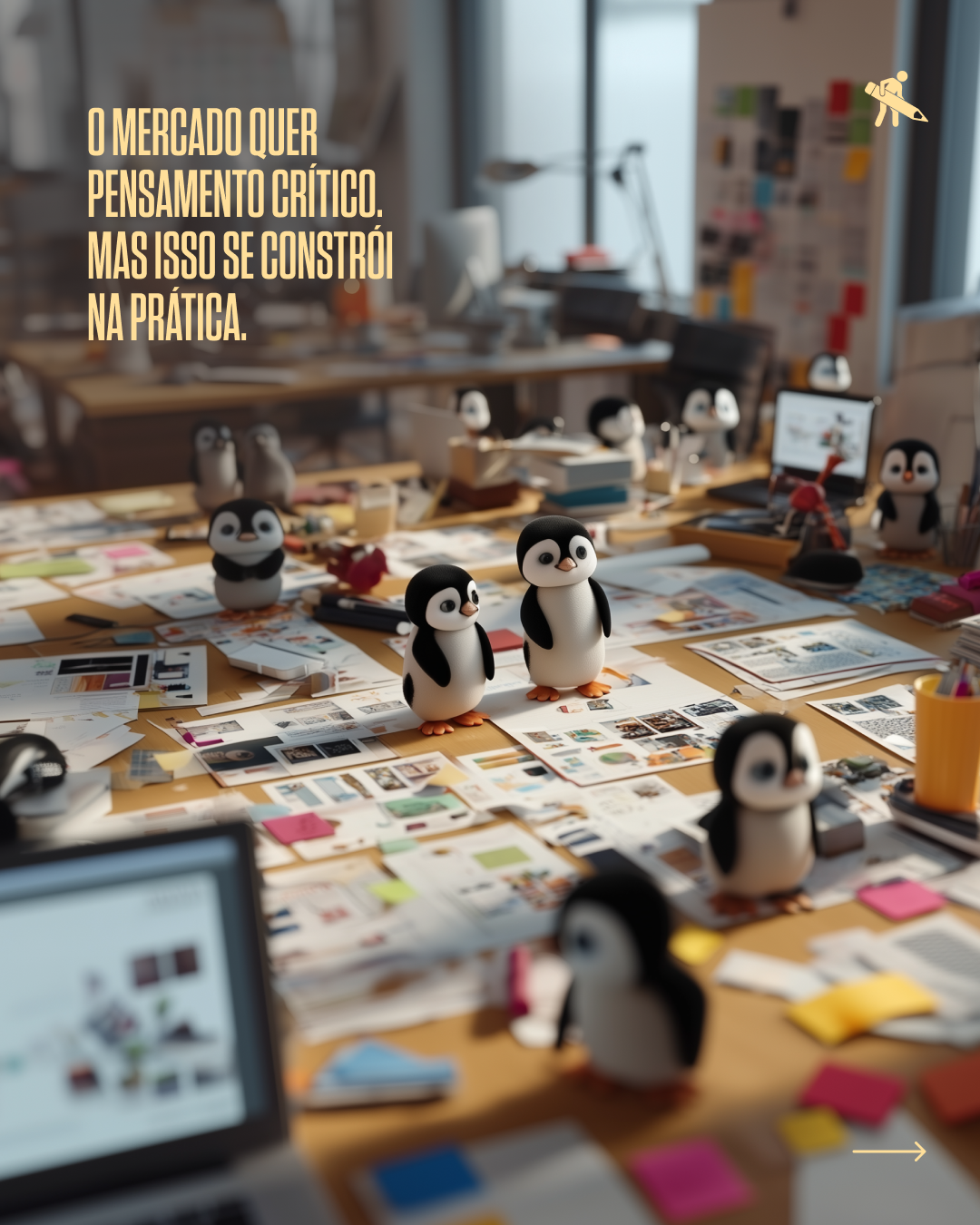
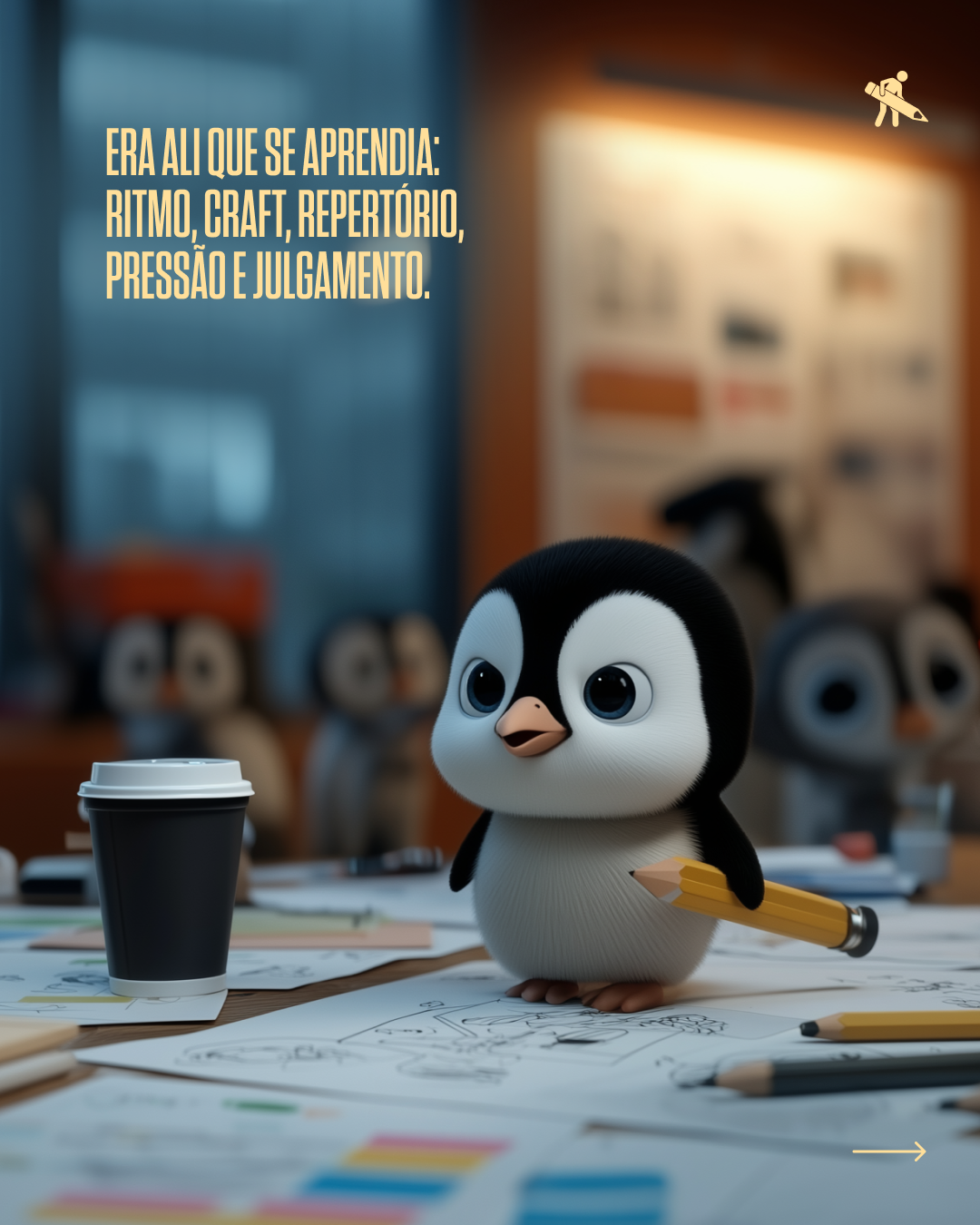
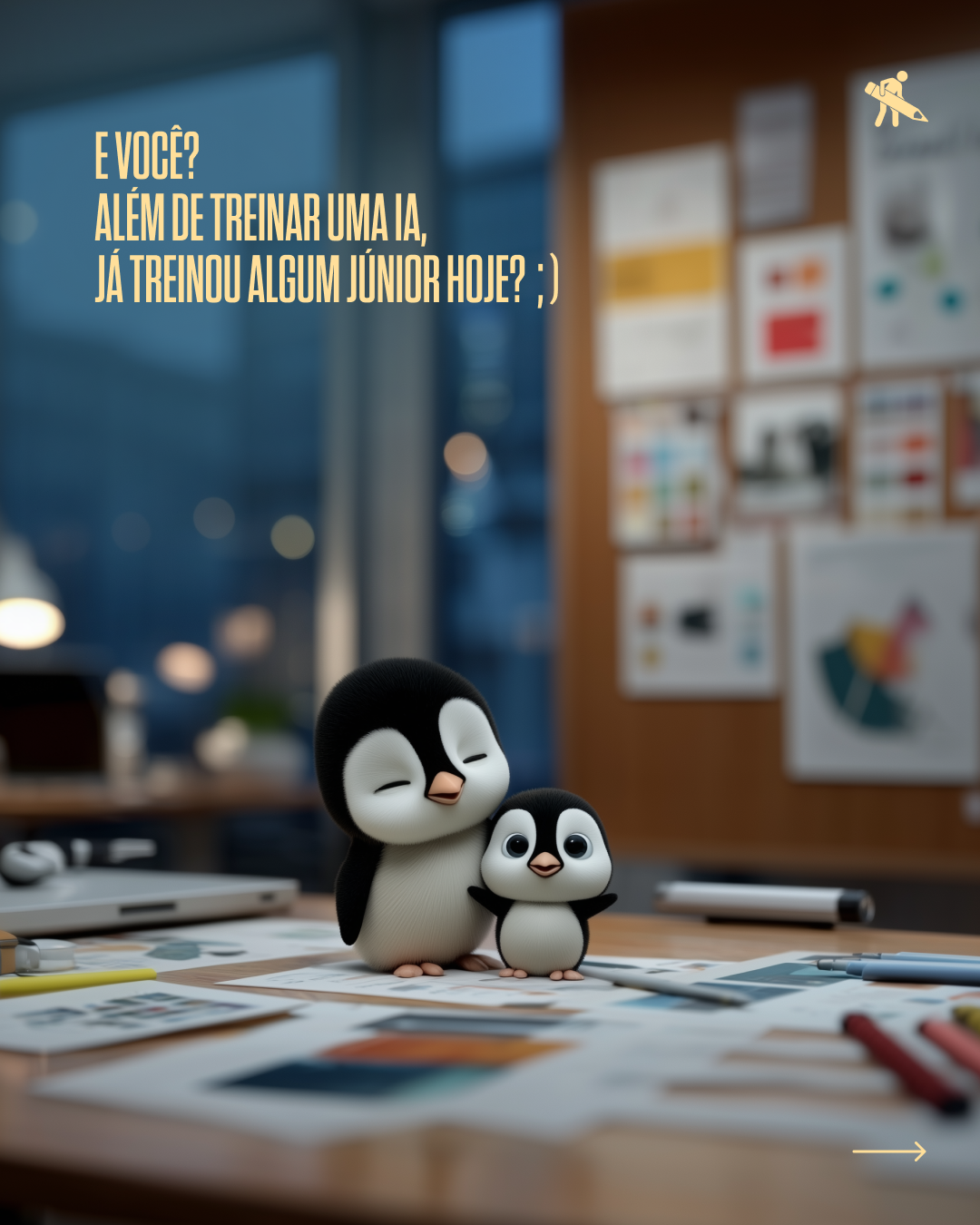
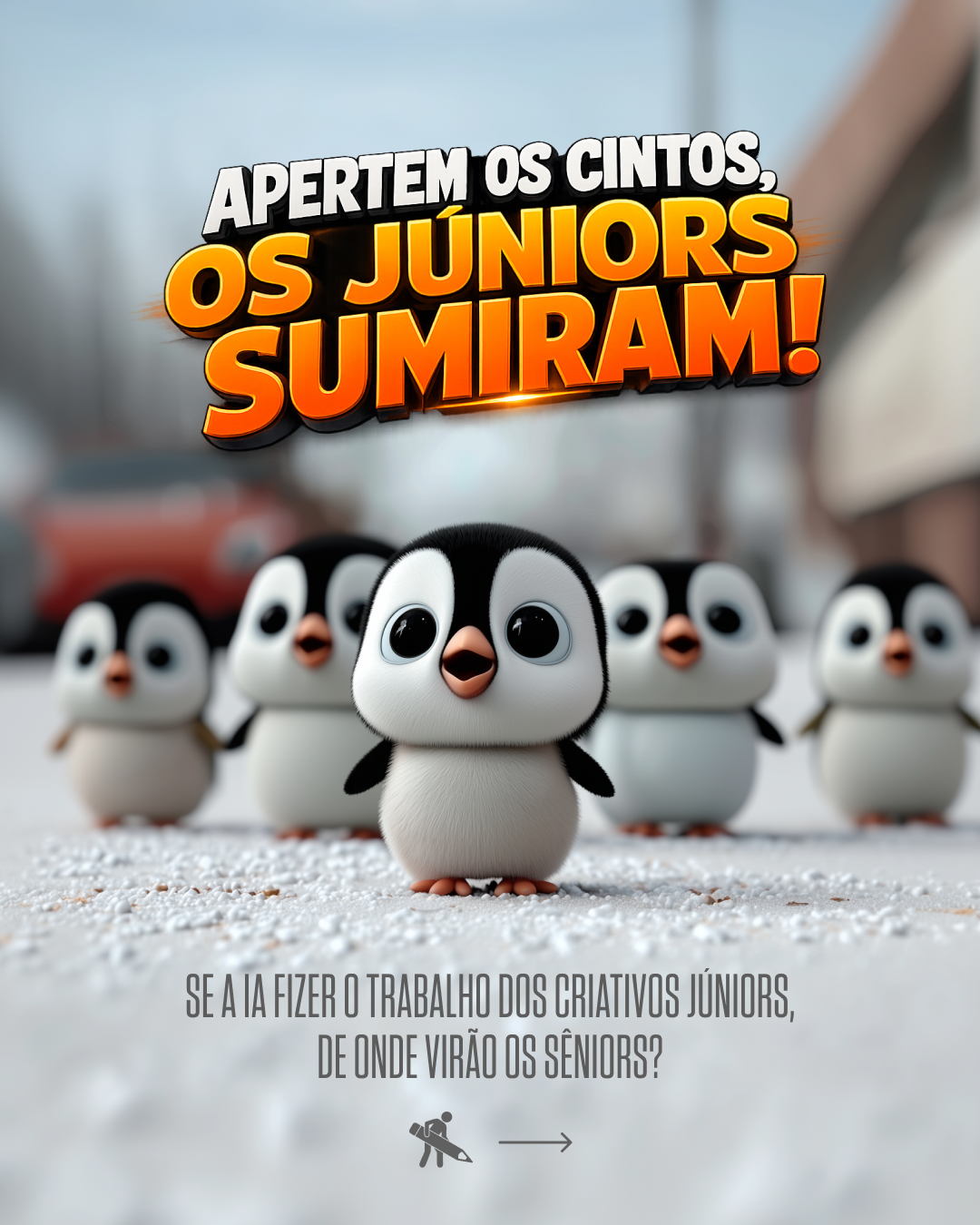
FASTEN YOUR SEATBELTS, THE JUNIORS ARE DISAPPEARING! If AI takes over junior-level tasks, where will the seniors come from? The biggest threat from AI isn’t jobs. It’s the threat to learning. A lot of creatives grew by doing repetitive, boring work. That’s where you learned timing, craft, repertoire, pressure, and judgment. But if AI handles all of that, where will juniors learn? The market wants critical thinking. But that’s built through practice. And you? Besides training AI, have you trained a junior today?
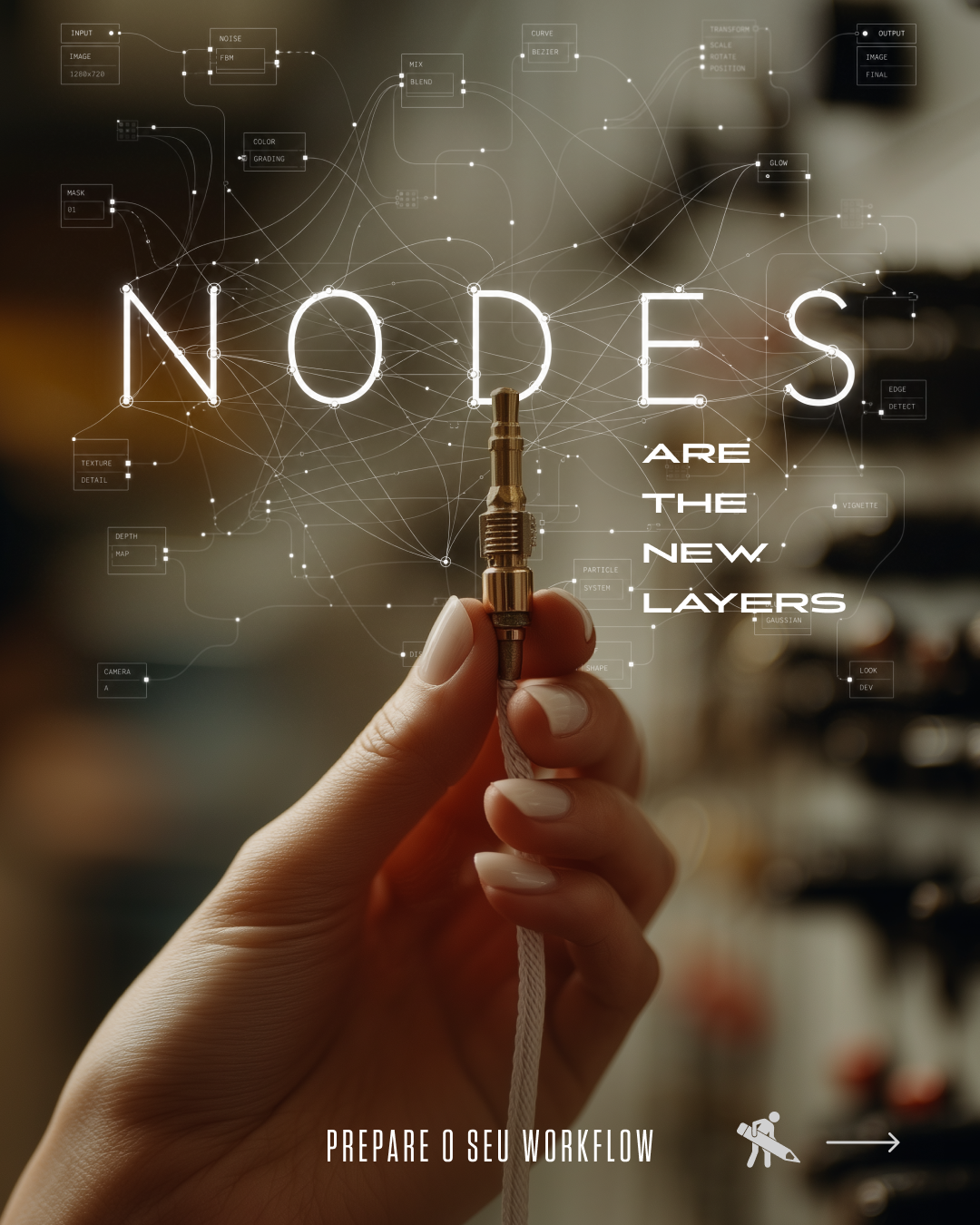
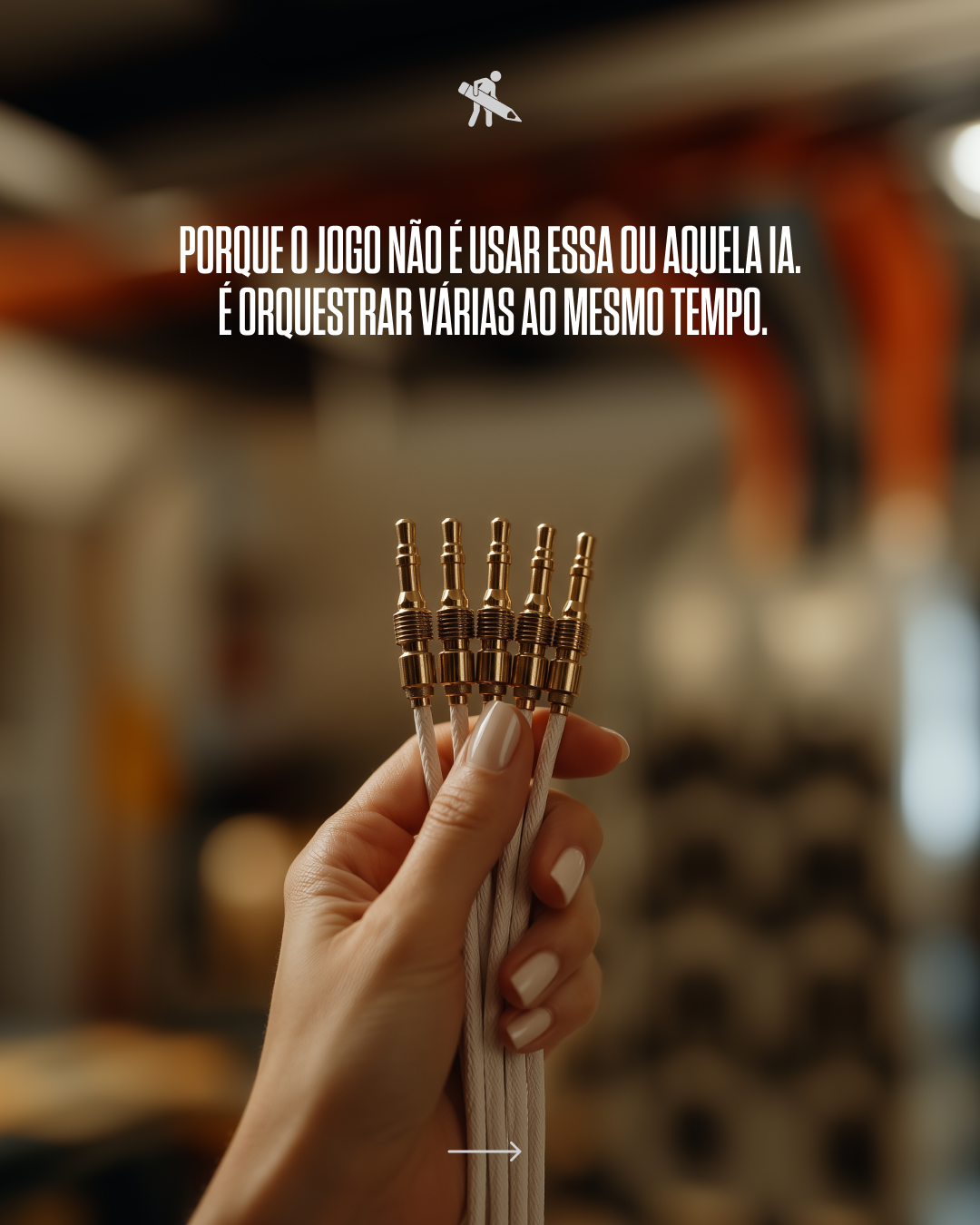
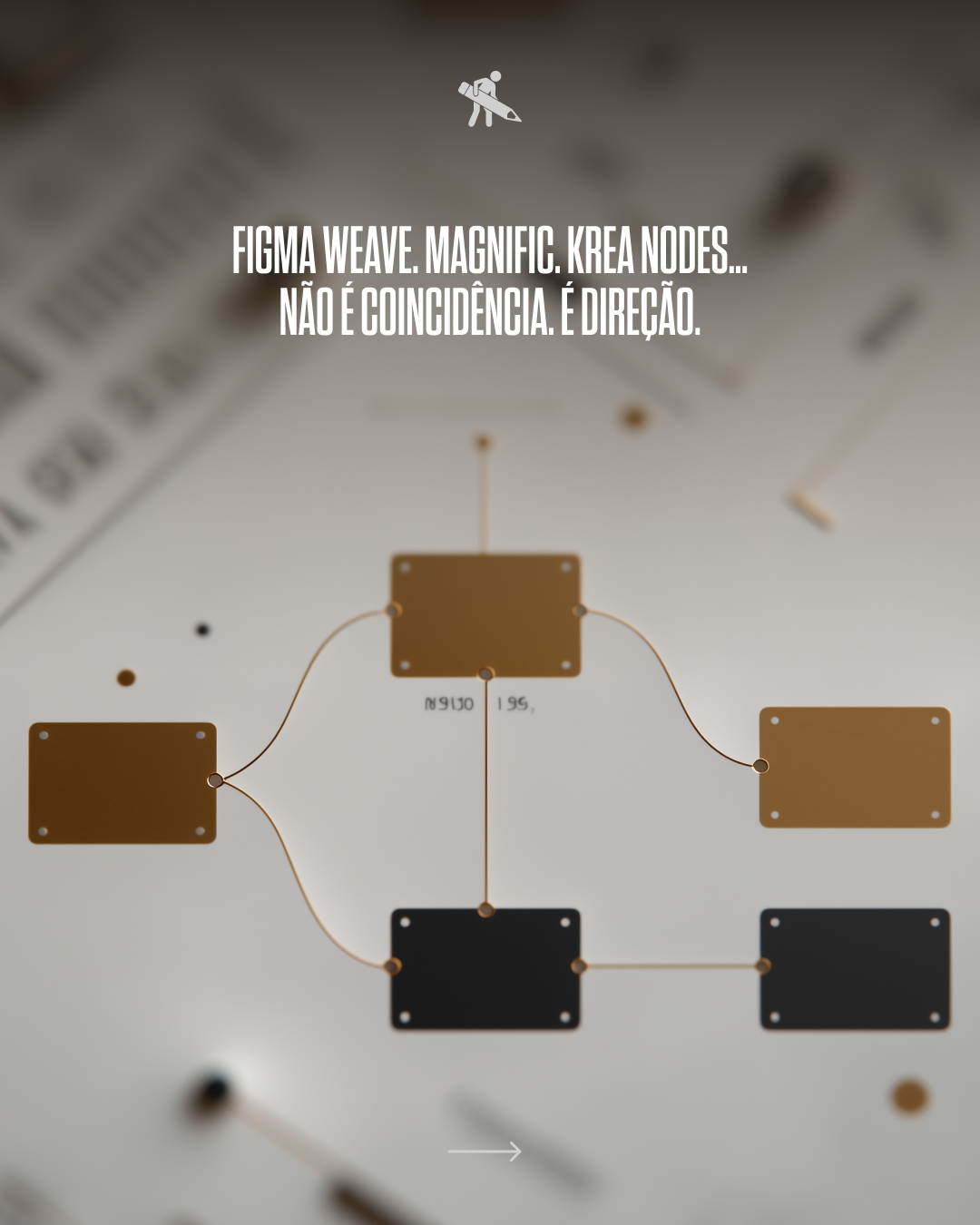
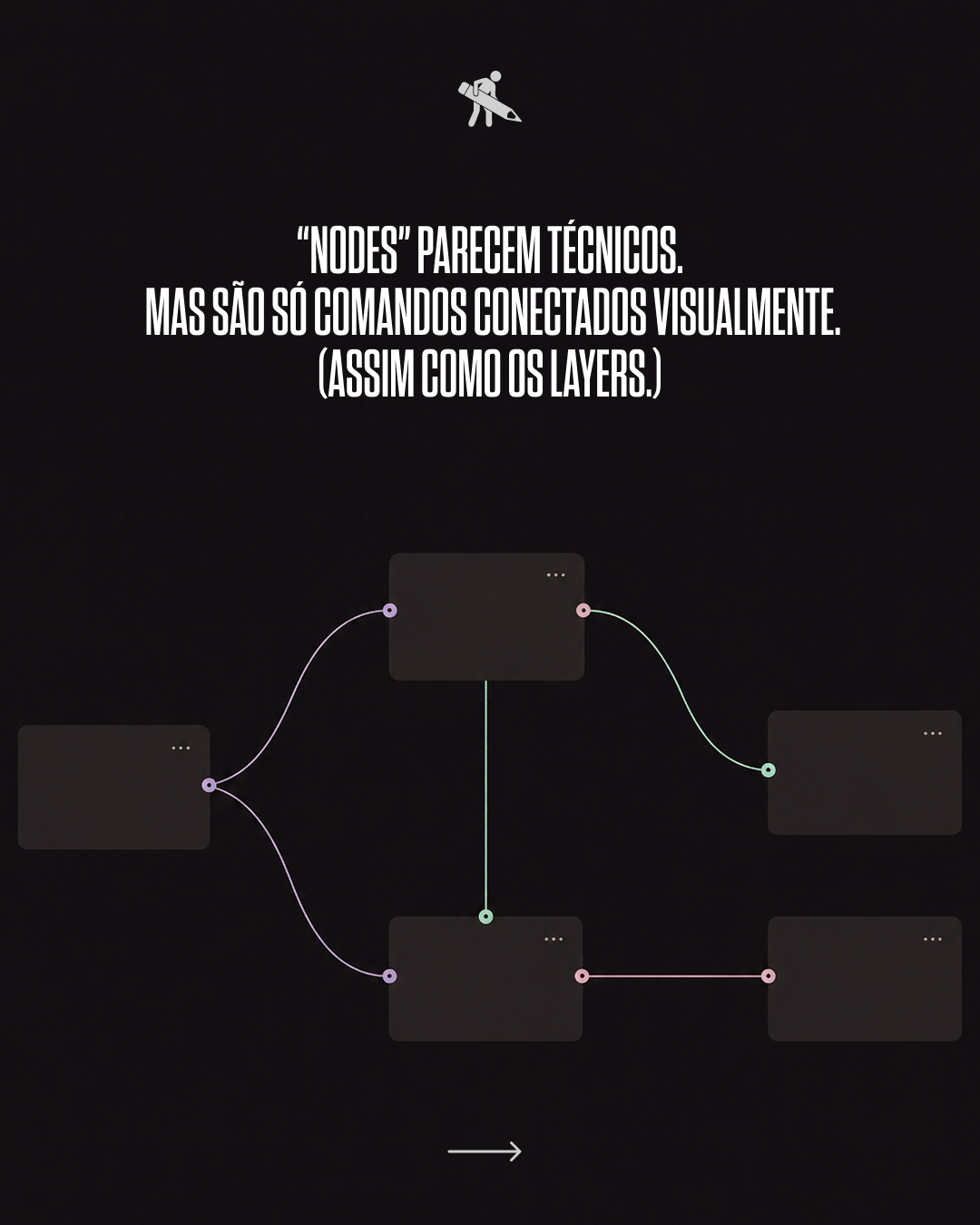
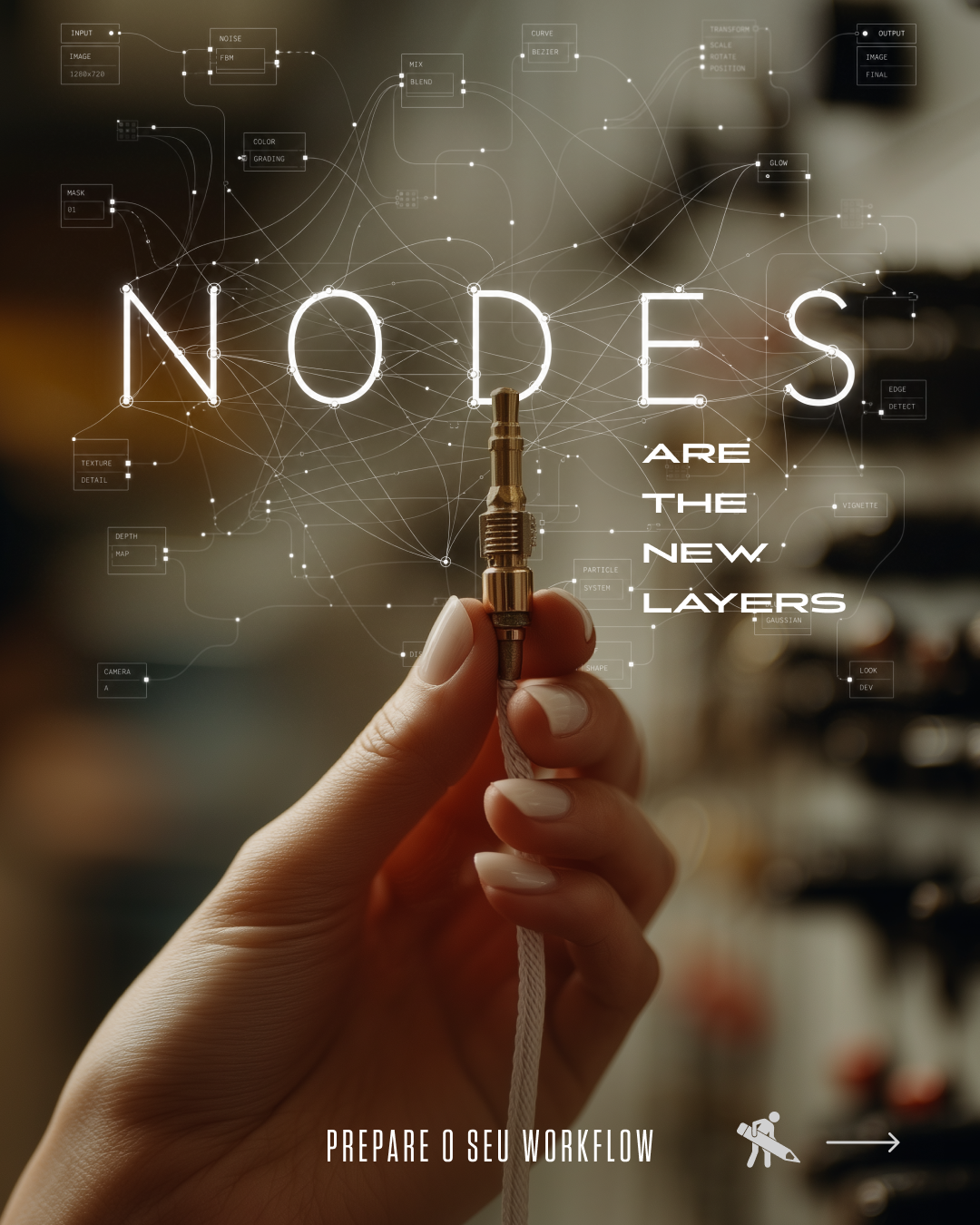
NODES ARE THE NEW LAYERS. AI started with prompts. Now it’s turning into an entire creative workflow. Figma Weave, Magnific, Krea Nodes… it’s no coincidence. “Nodes” may look technical, but they’re basically a visual way of orchestrating multiple AIs at once. Less copy-paste. More exchanging ideas between tools. These tools will change fast. But workflow thinking probably won’t.
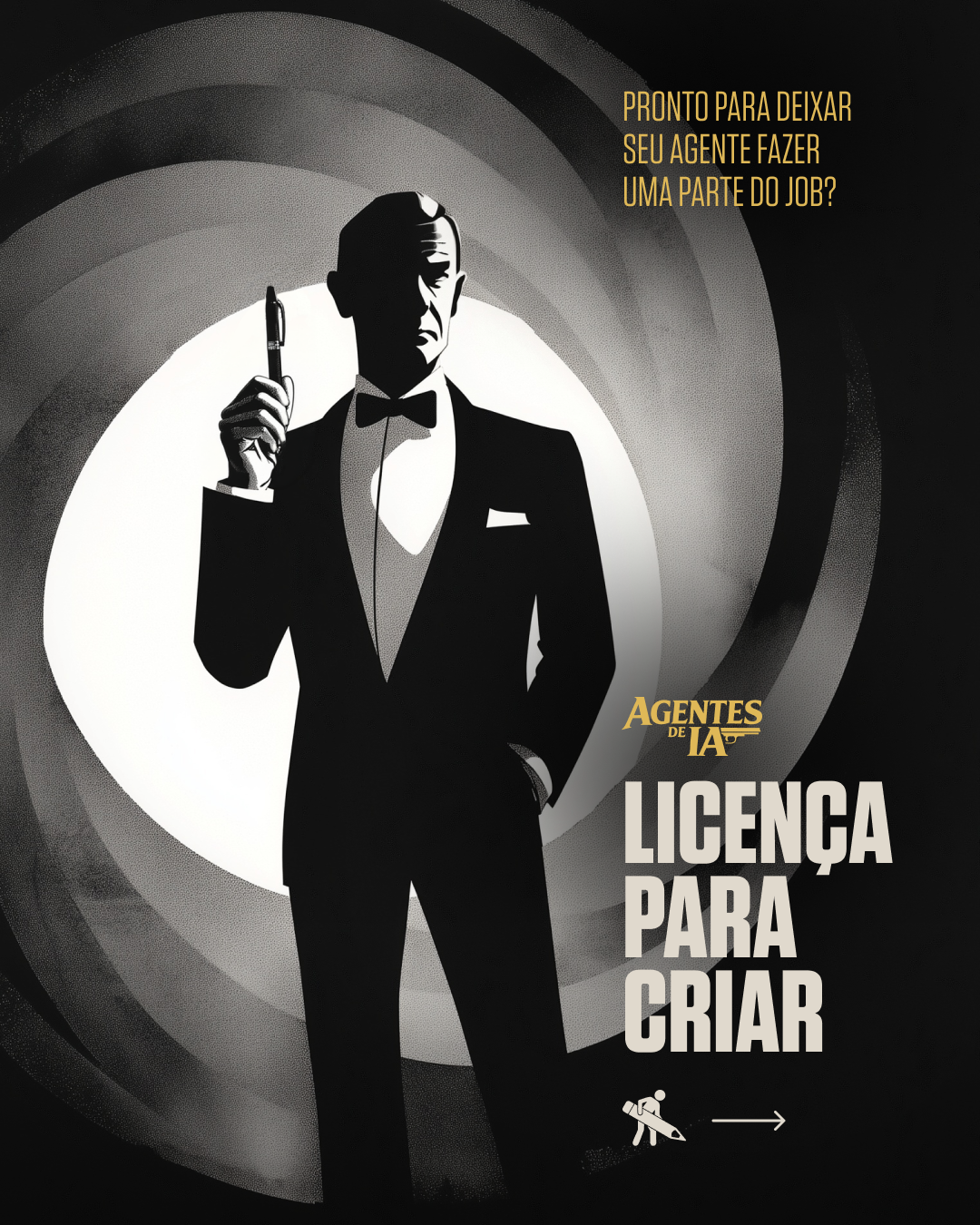
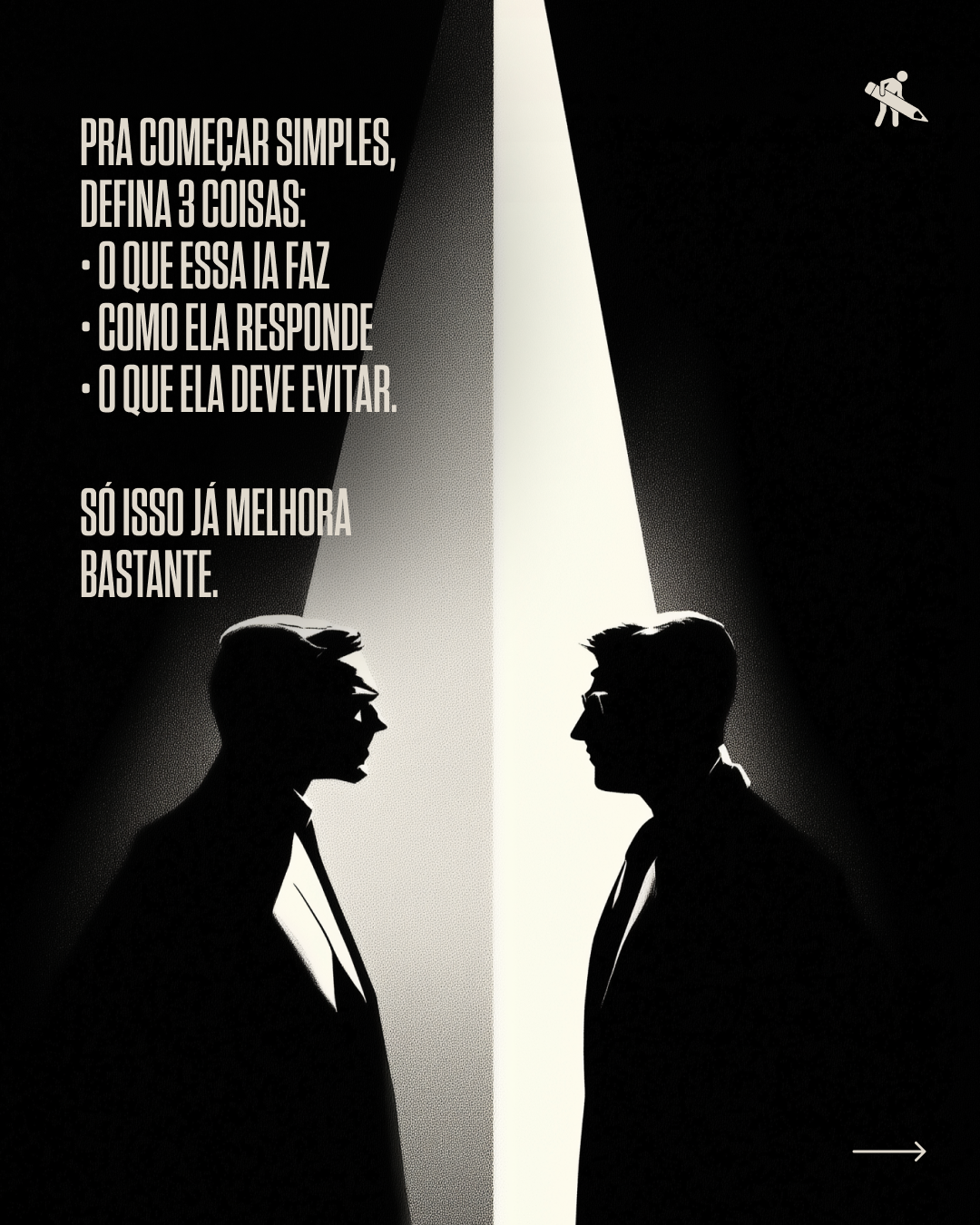
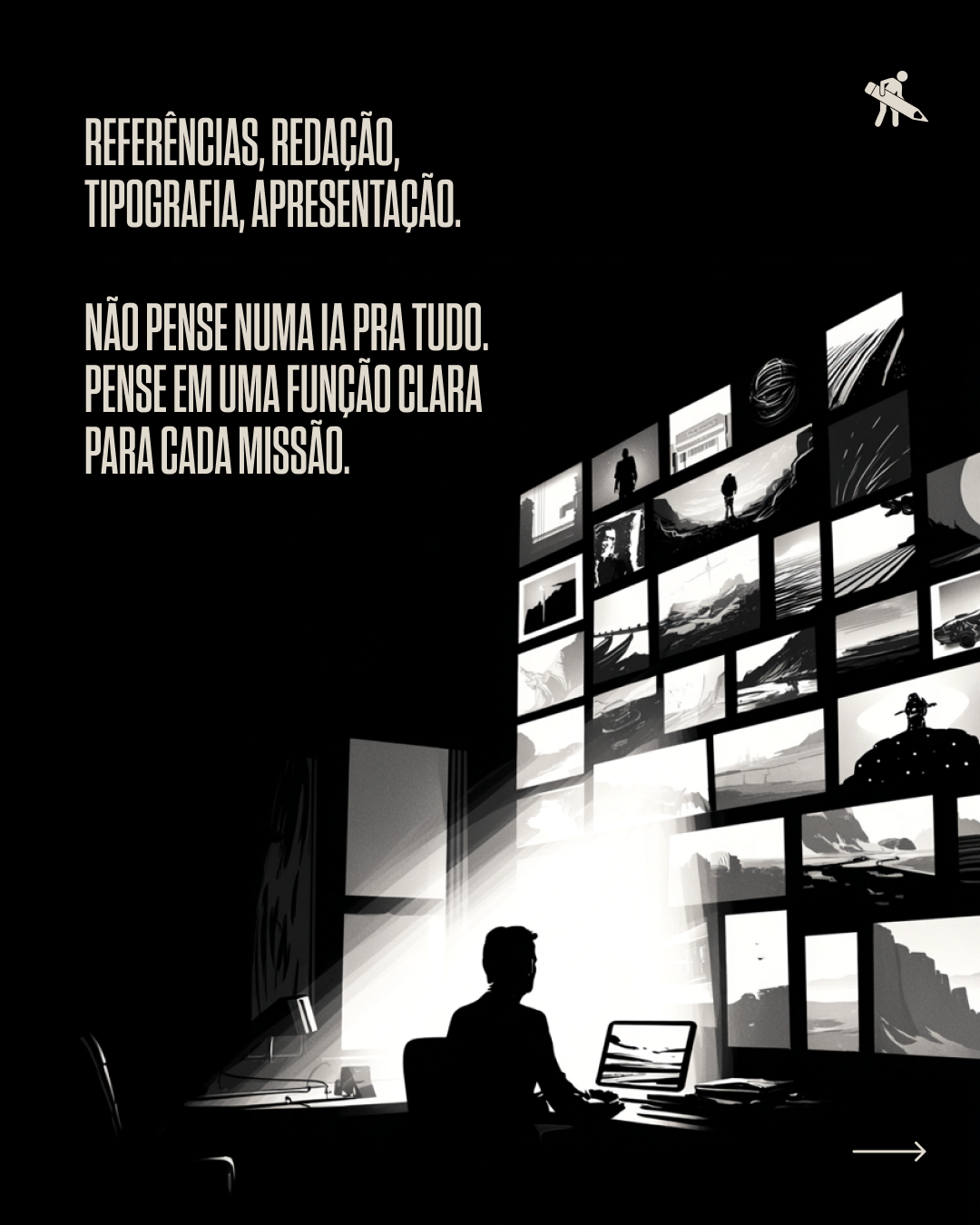
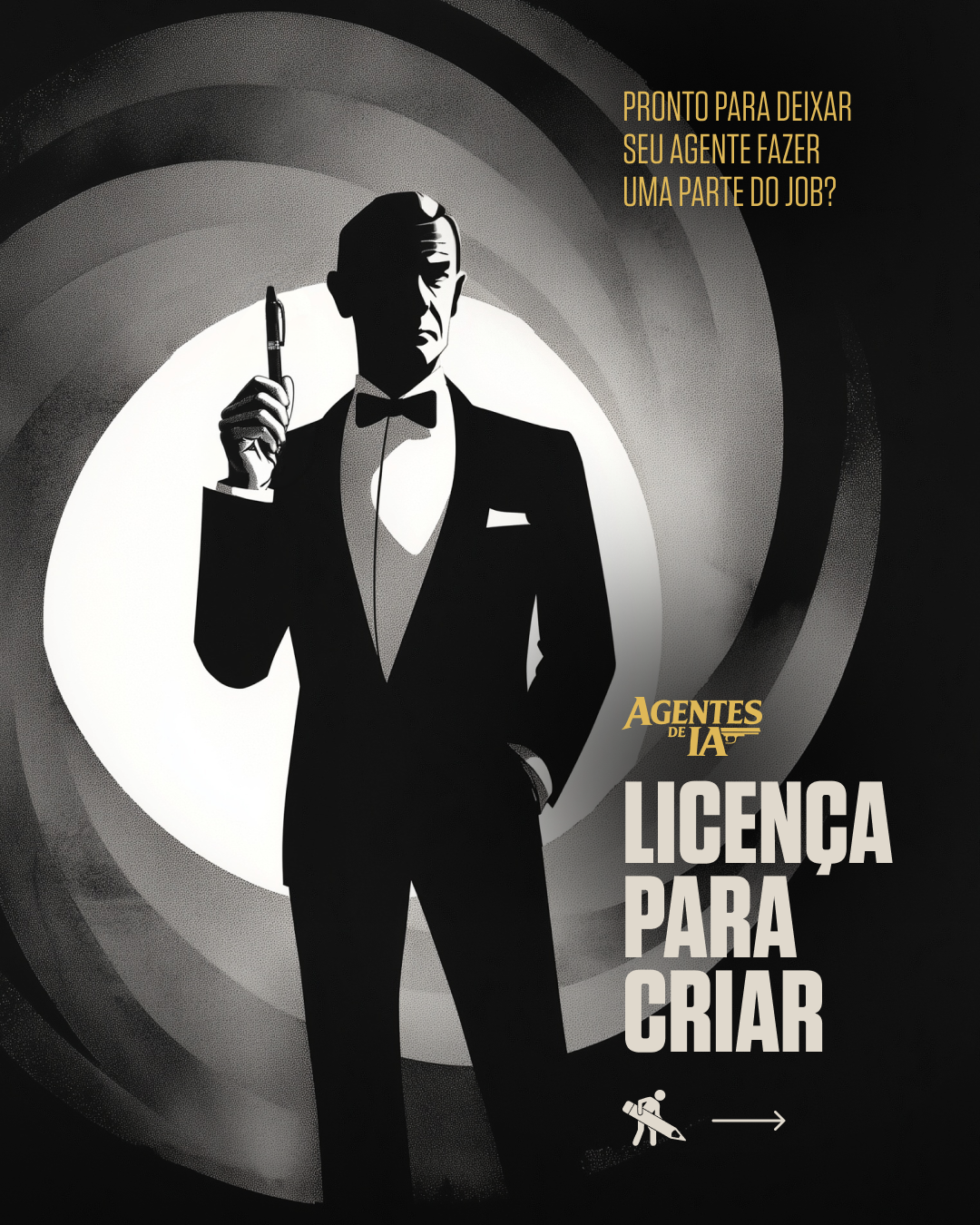
LICENSE TO CREATE. Ready to let AI agents take over part of the job? Yes, I know. Everyone’s talking about agents. And calling everything an “agent.” You don’t even need a truly autonomous AI agent yet. But it’s already possible to work a lot better with more well-defined AIs. References, copywriting, typography, presentations. Don’t think about one agent for everything. Think about a clear function for each mission. To start simple, define three things: what this AI does, how it responds, and what it should avoid. That alone already improves things a lot. But don’t outsource the heart of the work. AI can help. It can even create. But judgment should always be yours. And okay… the client’s too ;)
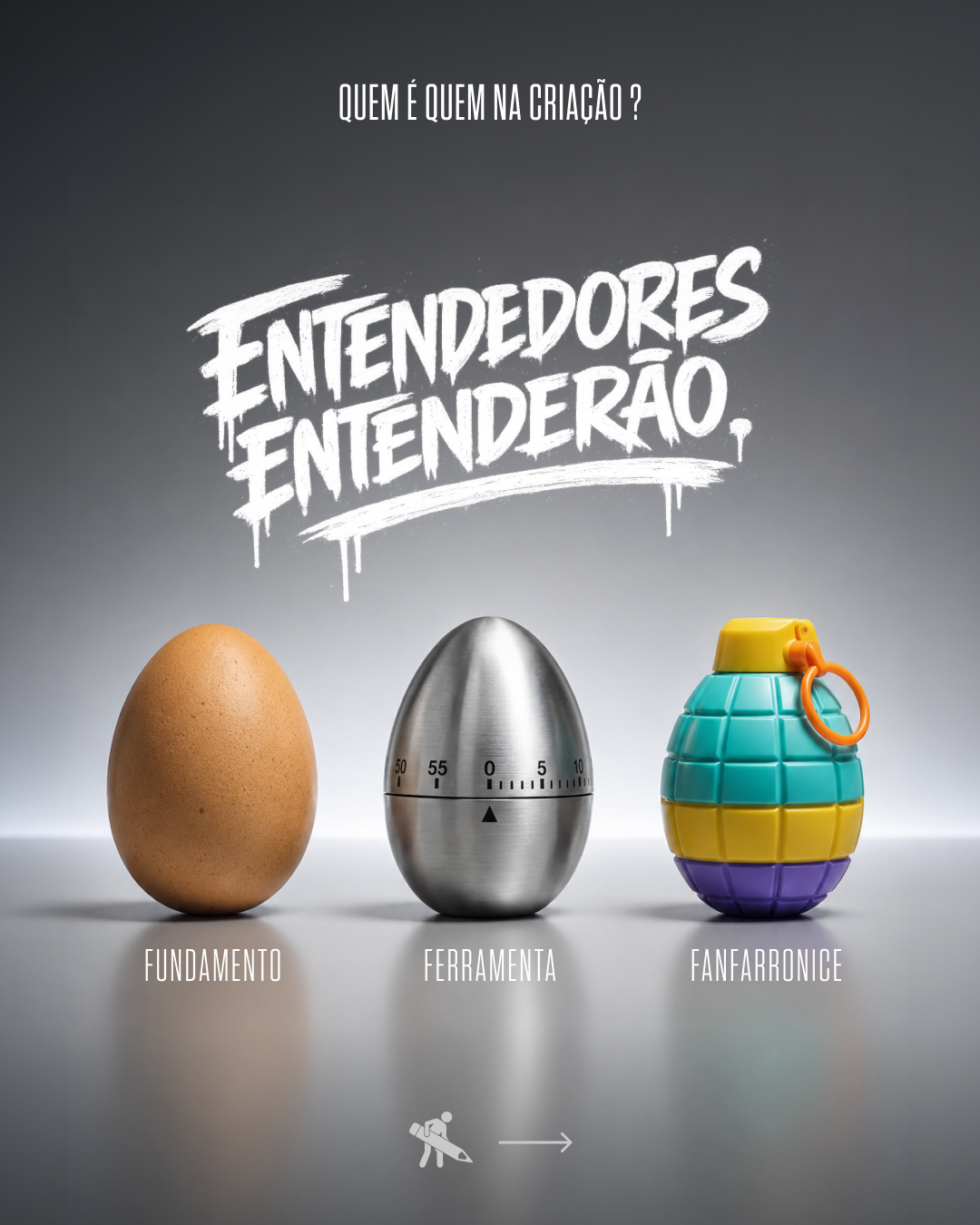
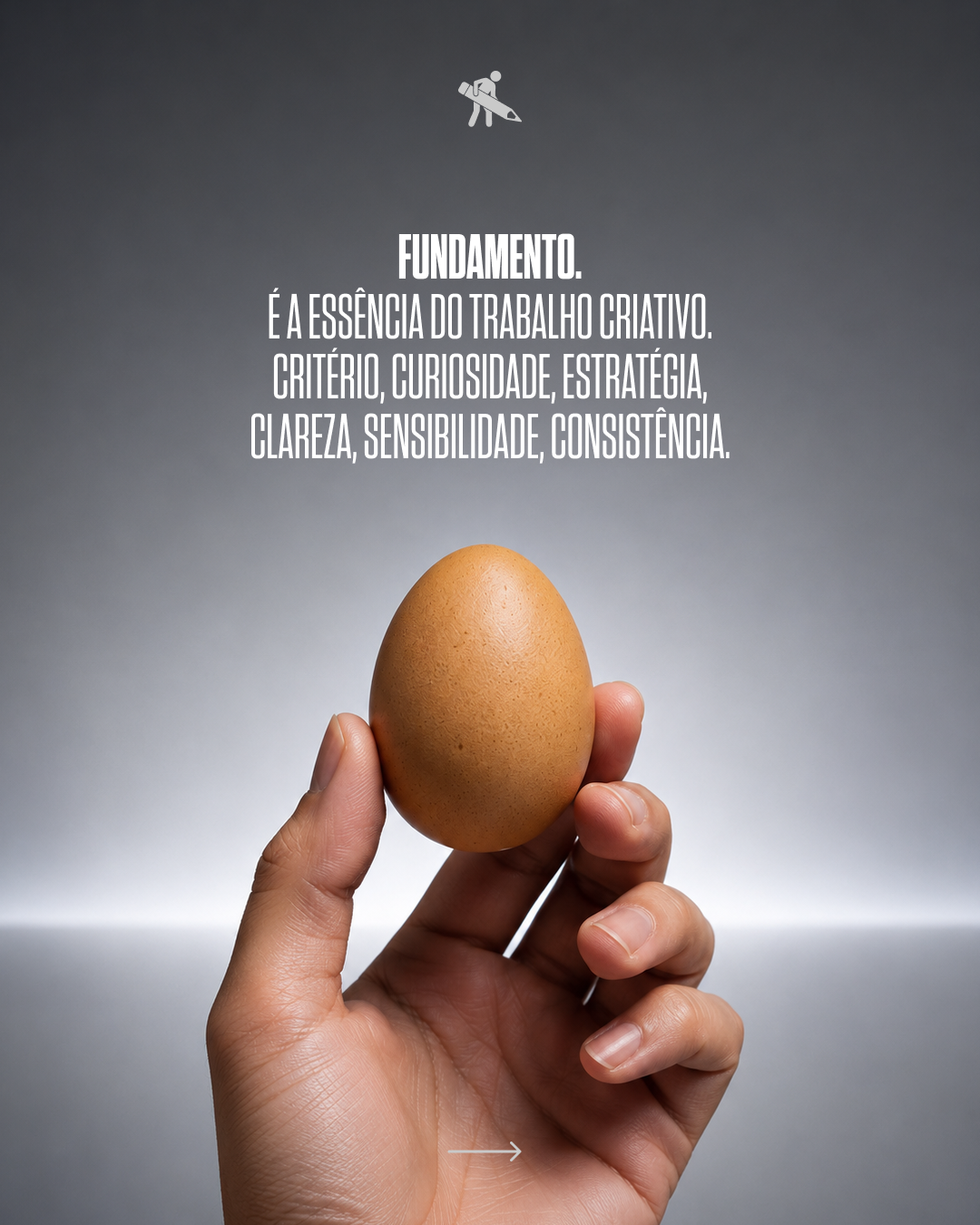
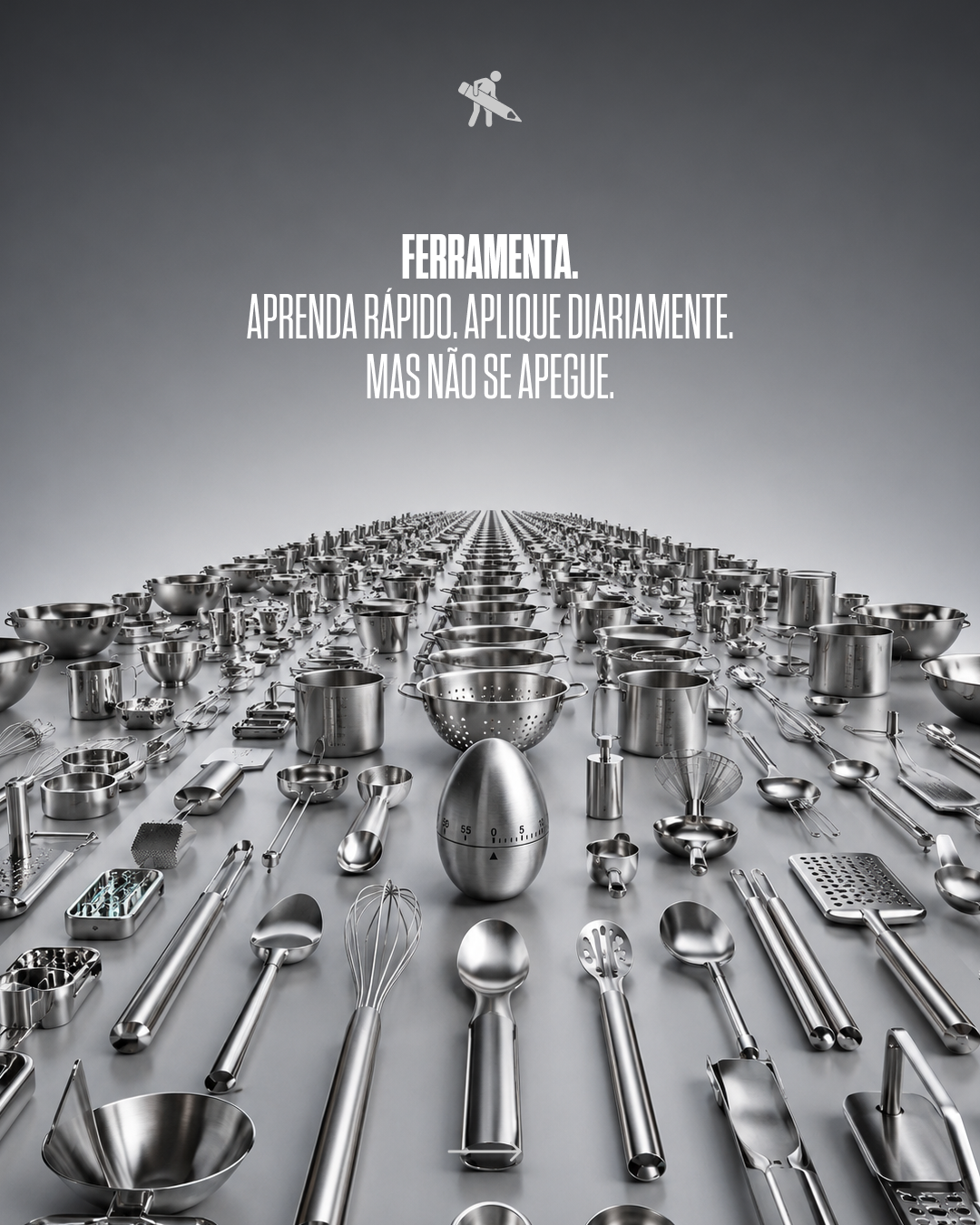
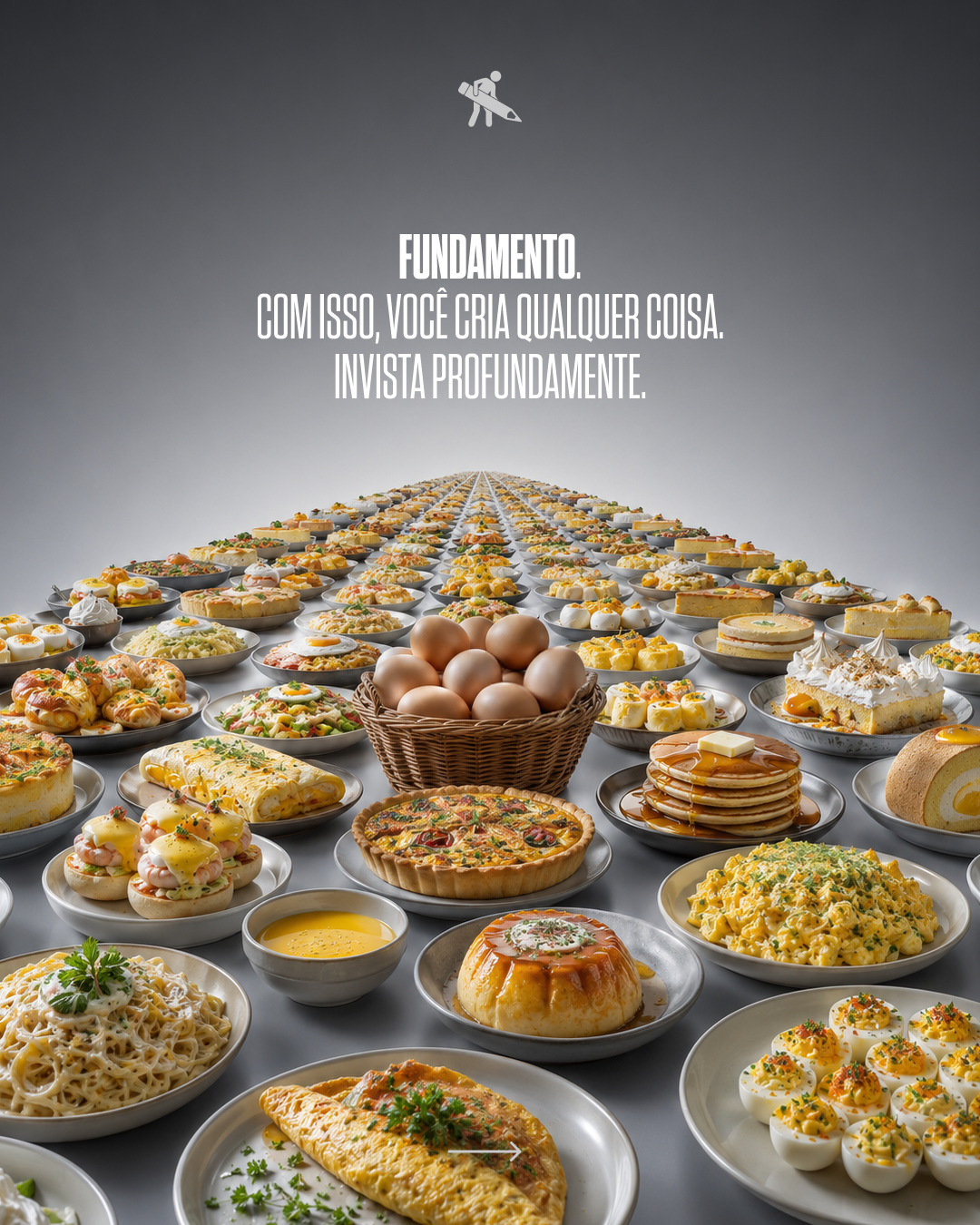
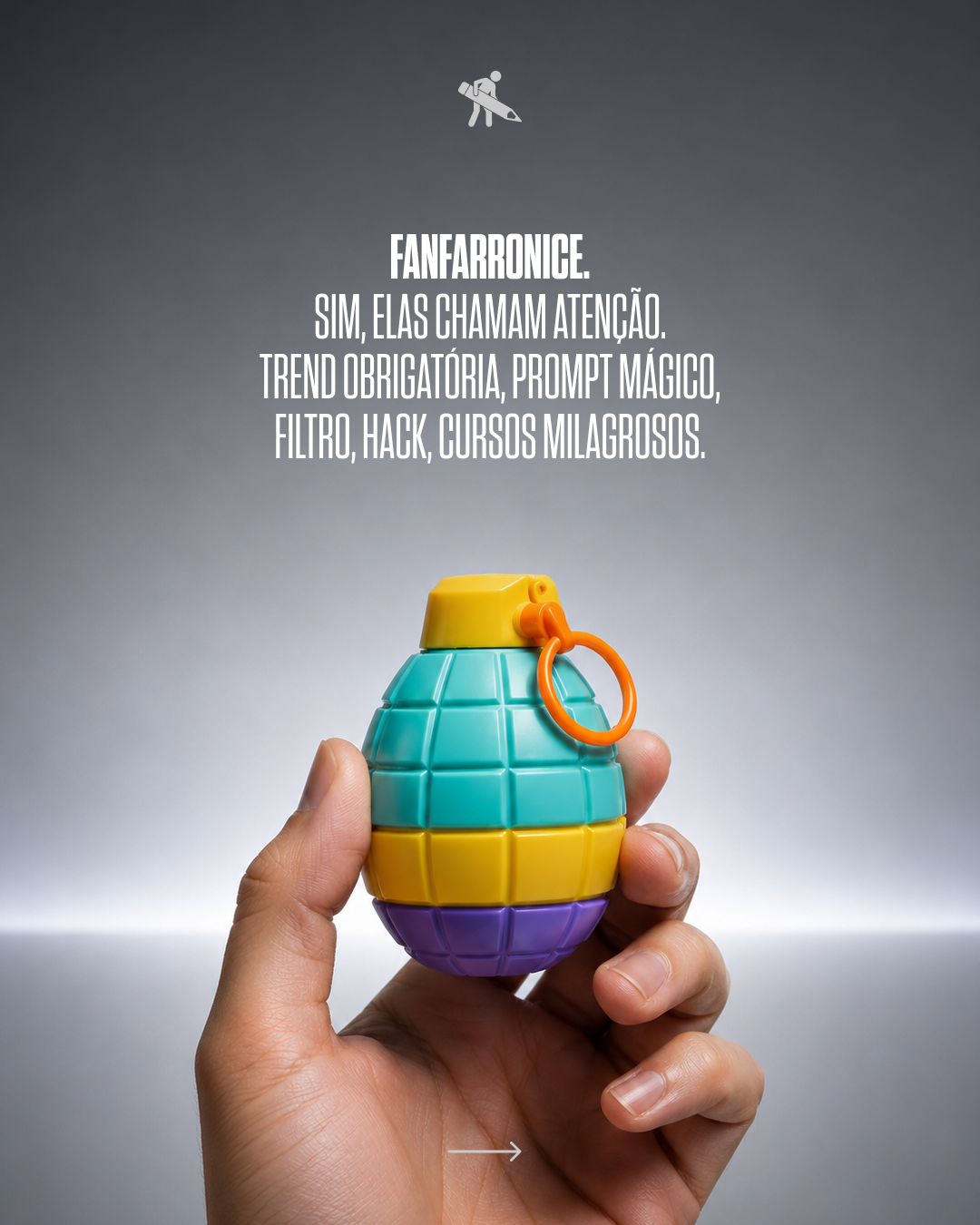
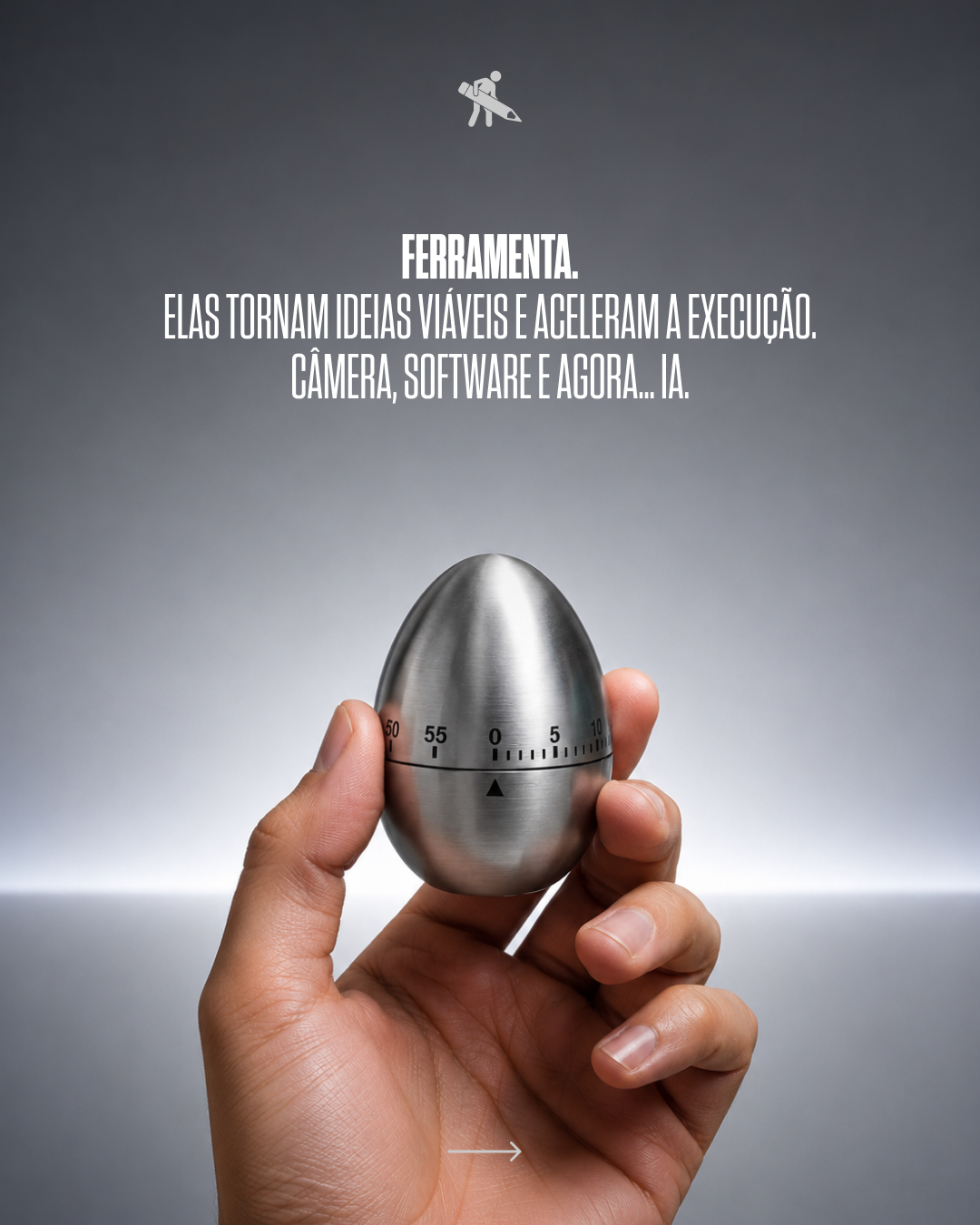
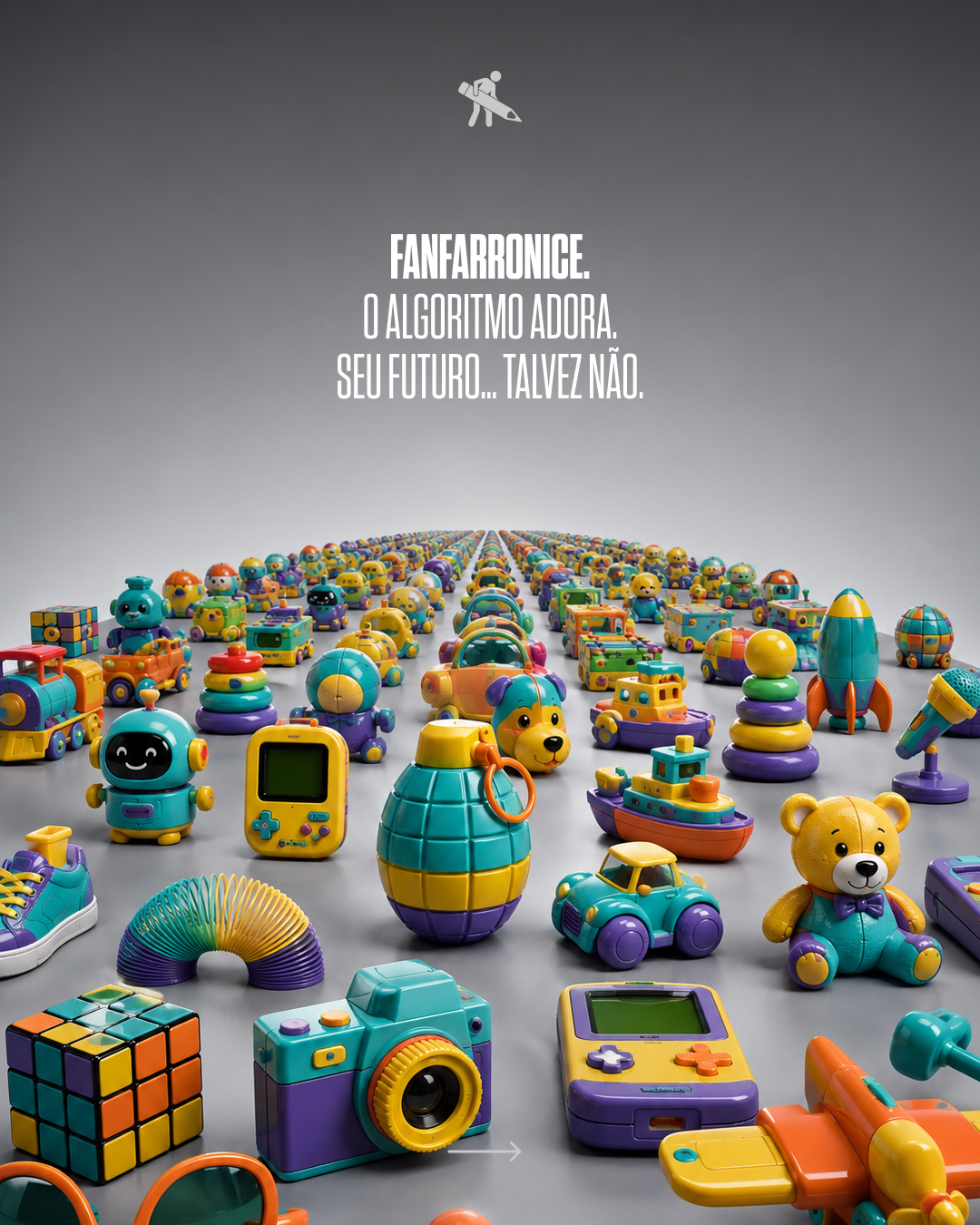
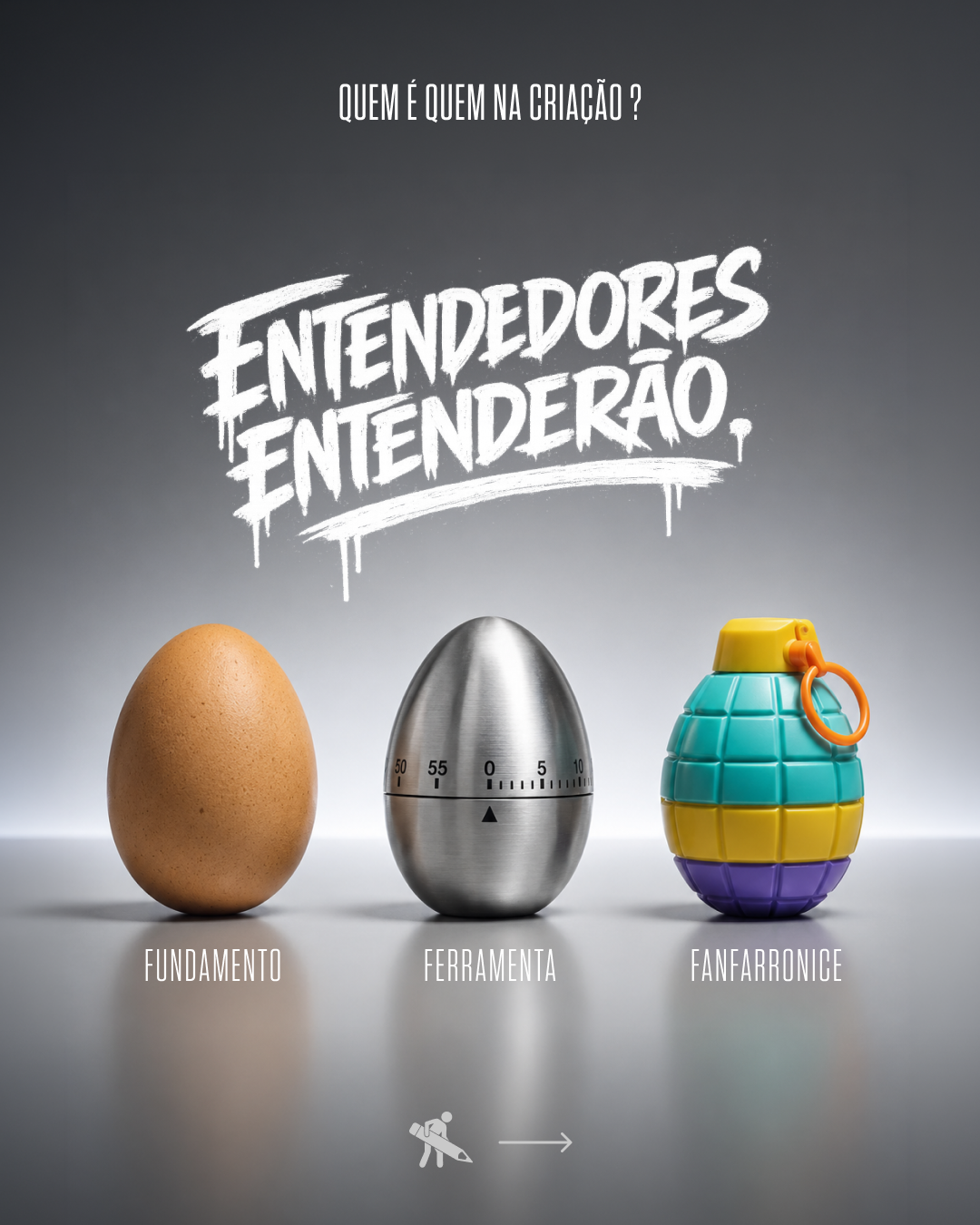
THOSE WHO KNOW, KNOW. Who’s who in creativity? Foundation, tool, or gimmick? Foundation is the essence of creative work: judgment, curiosity, strategy, clarity, sensitivity, consistency. With strong fundamentals, you can create anything. Invest deeply in them. Tools make things more viable and speed up execution. Cameras, software, and now AI. Learn fast. Use them every day. But don’t get attached. Gimmicks? Sure, they grab attention. For a while. Trend-chasing, magic prompts, filters, hacks, questionable courses. The algorithm may love them. Your future career probably won’t.
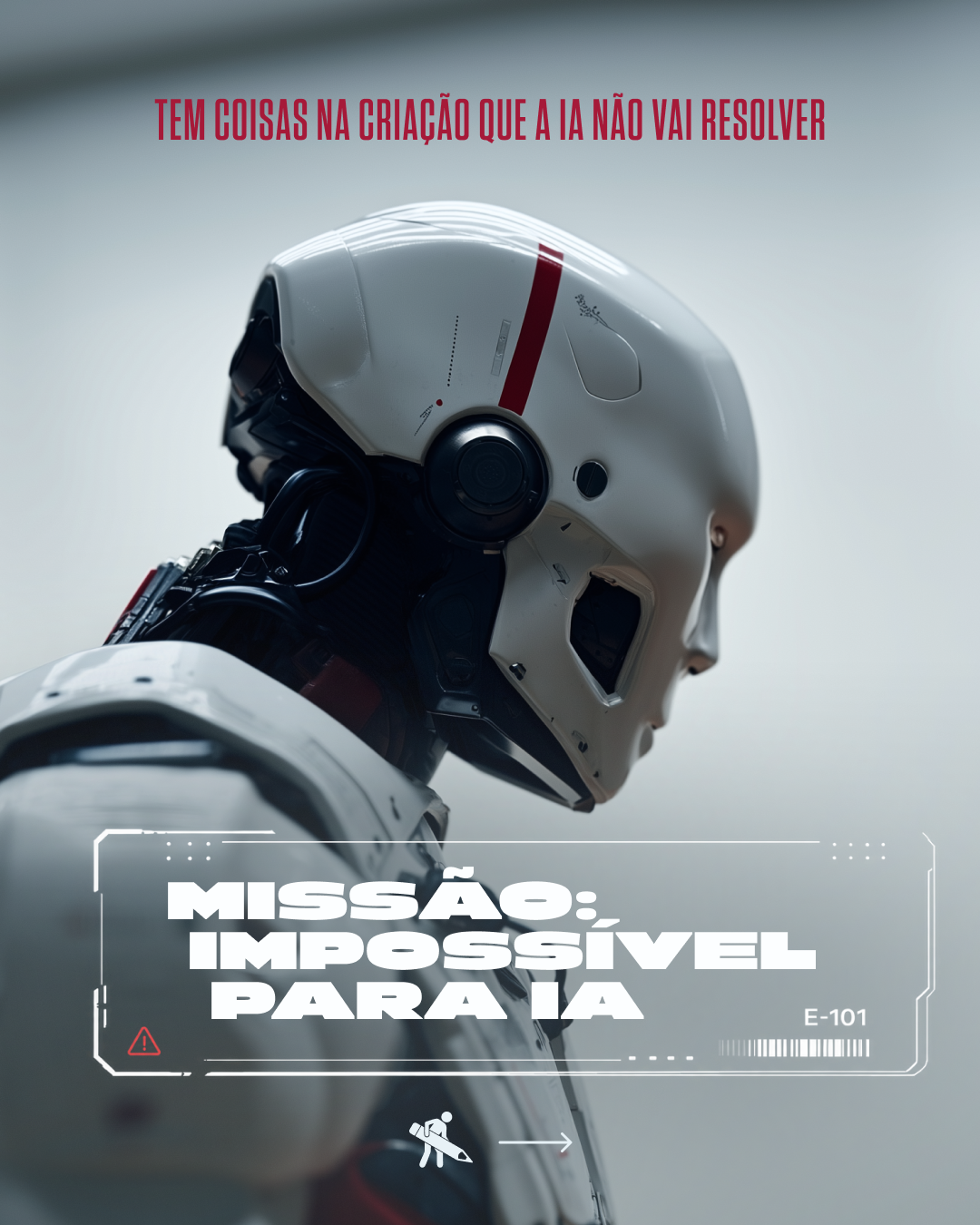
MISSION: IMPOSSIBLE FOR AI. There are things in creativity that AI won’t solve. Briefing error. But you can: question the brief, improve it, and propose new angles. Internal misalignment. But you can: recap the strategy and defend ideas based on what was actually agreed upon. Unnecessary meetings. But you can: only attend meetings with a clear individual purpose. There are things no AI will solve. But people can help a lot ;)
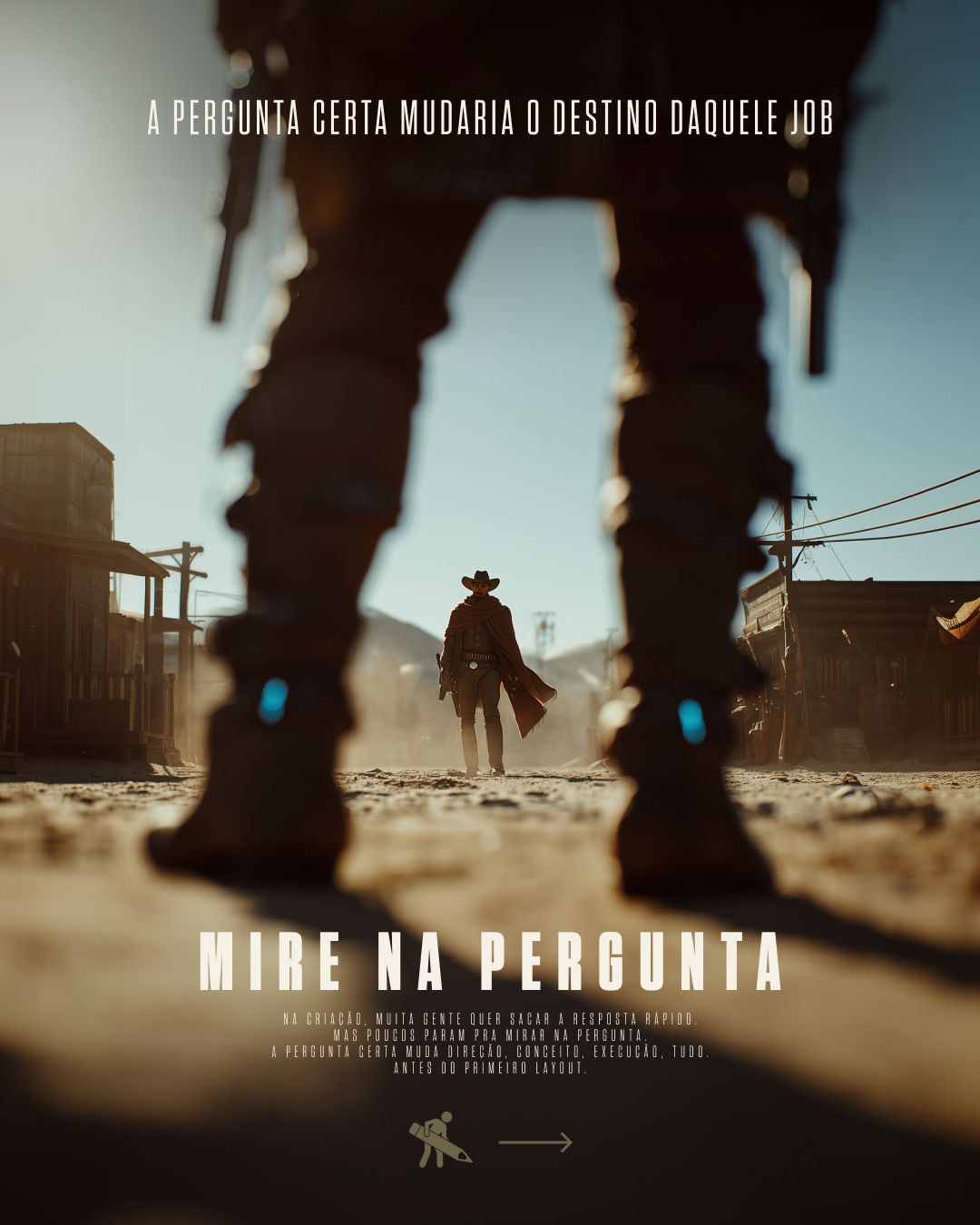
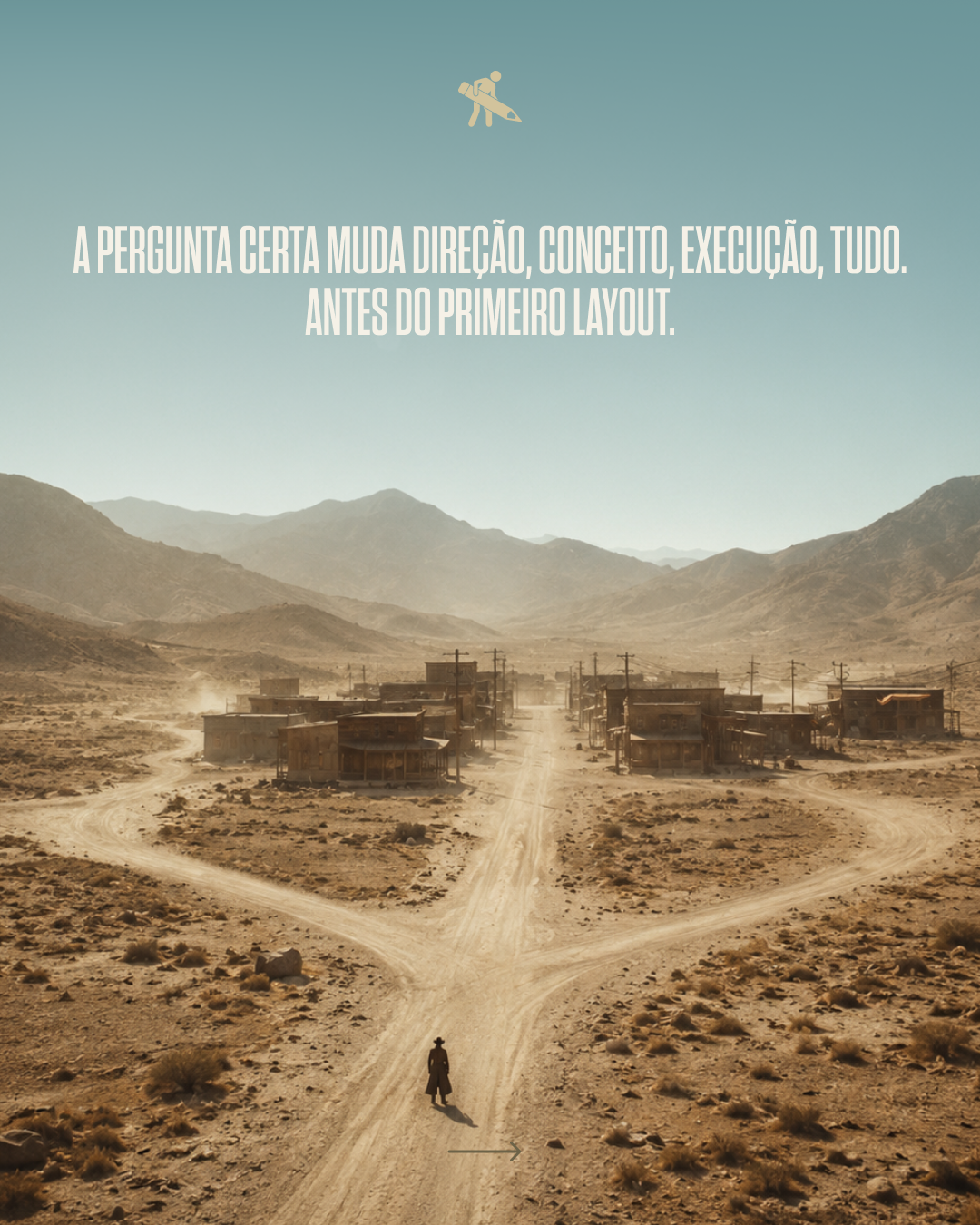
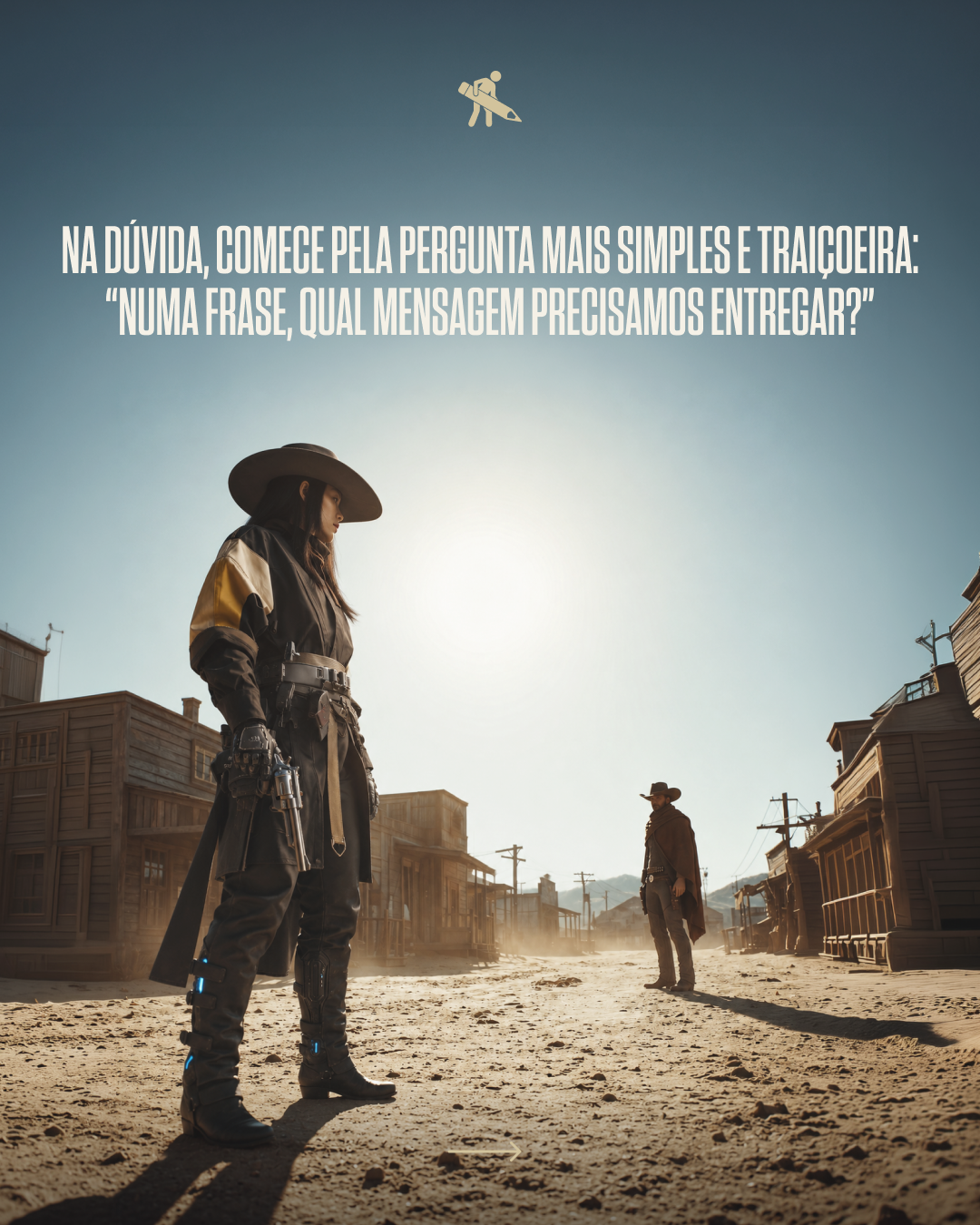
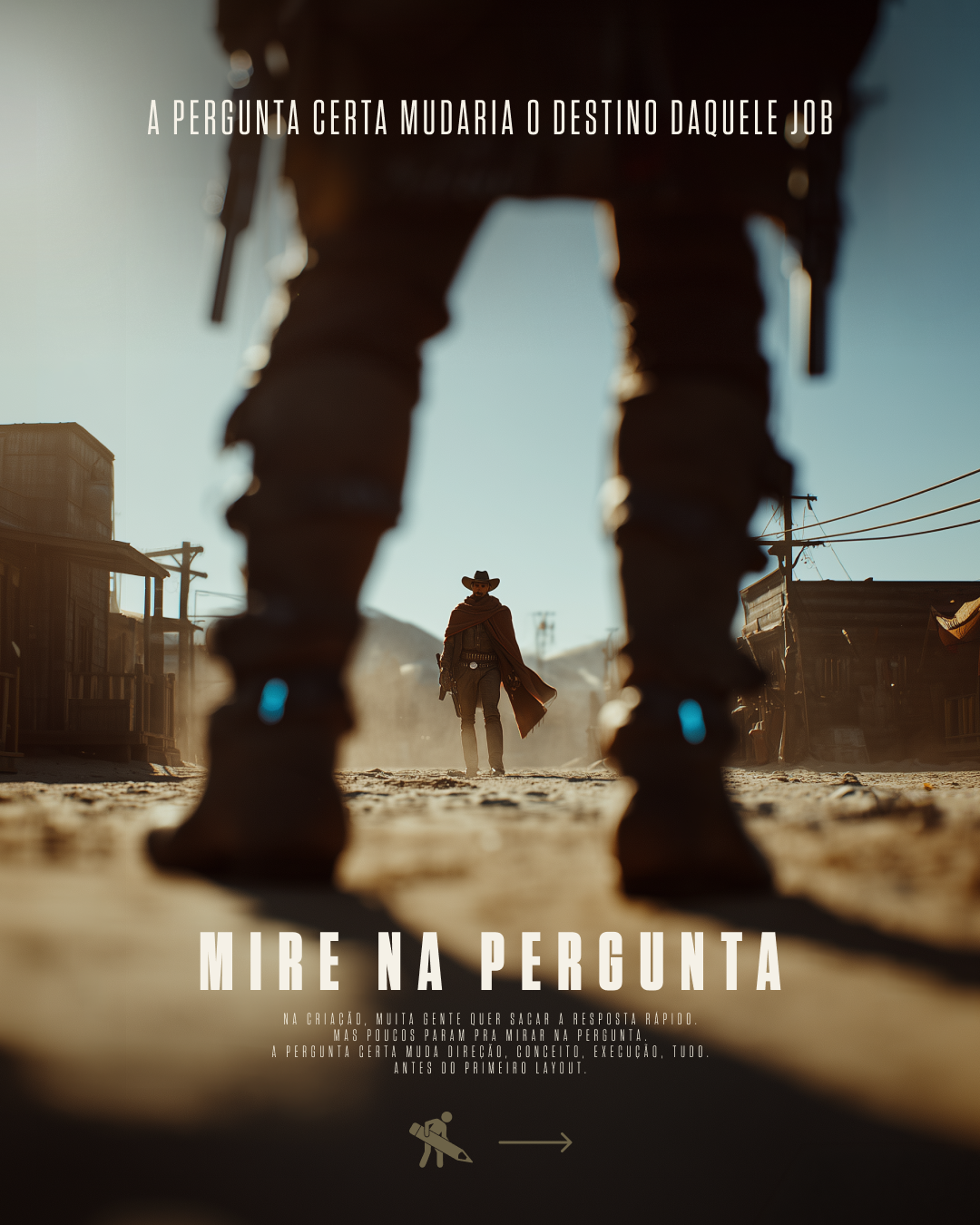
AIM AT THE QUESTION. The right question could change the fate of that job. In creative work, a lot of people rush to find the answer. But very few stop to look at the question. The right question changes direction, concept, execution, everything. Before the first layout. In the age of AI, knowing how to ask became even more valuable. Because answers have never been cheaper. One good question can save weeks creating in the wrong direction. And beautiful ideas that are strategically useless. When in doubt, start with the simplest and most dangerous question: “In one sentence, what message are we trying to deliver?” Asking costs nothing. Not asking can cost a lot.

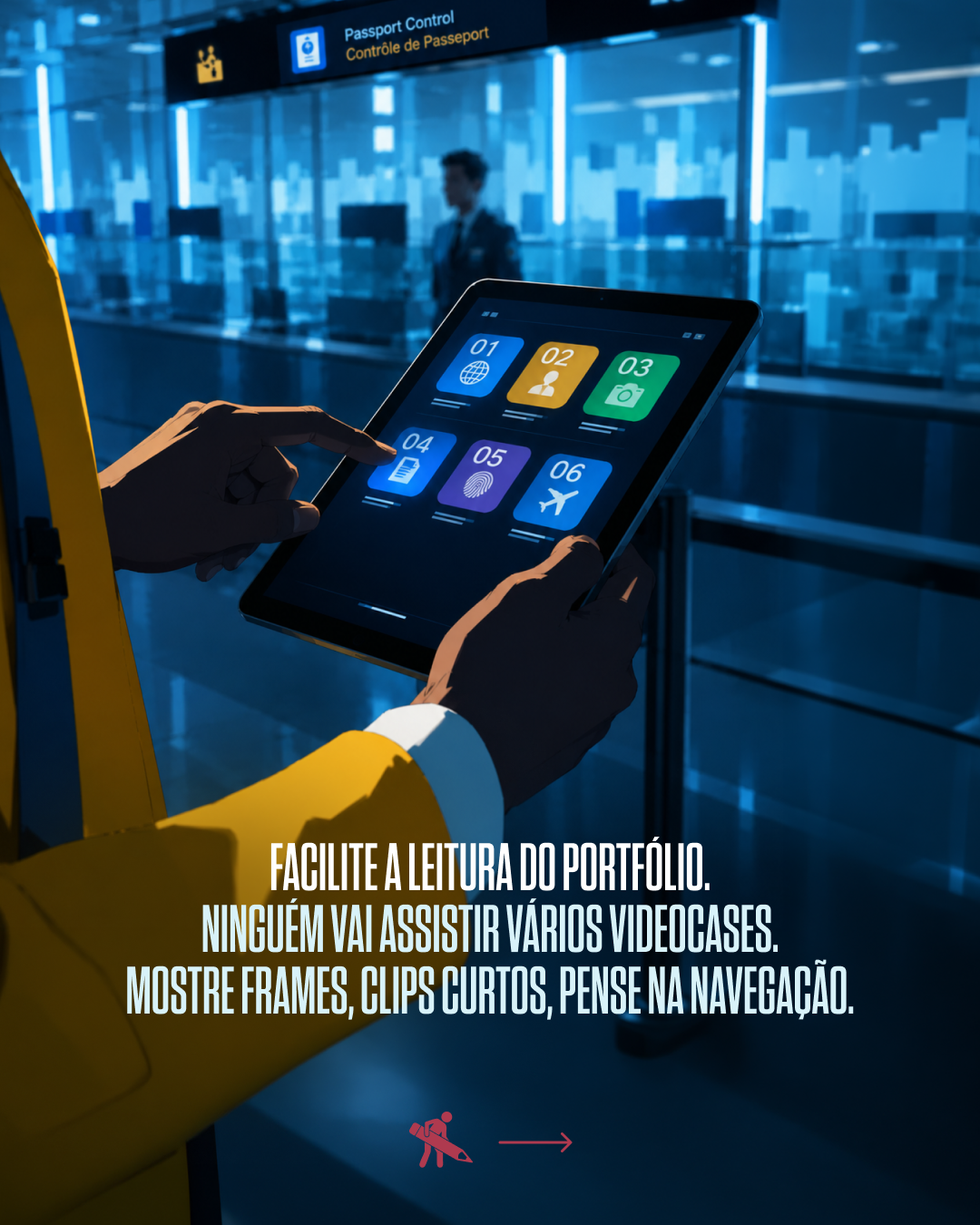
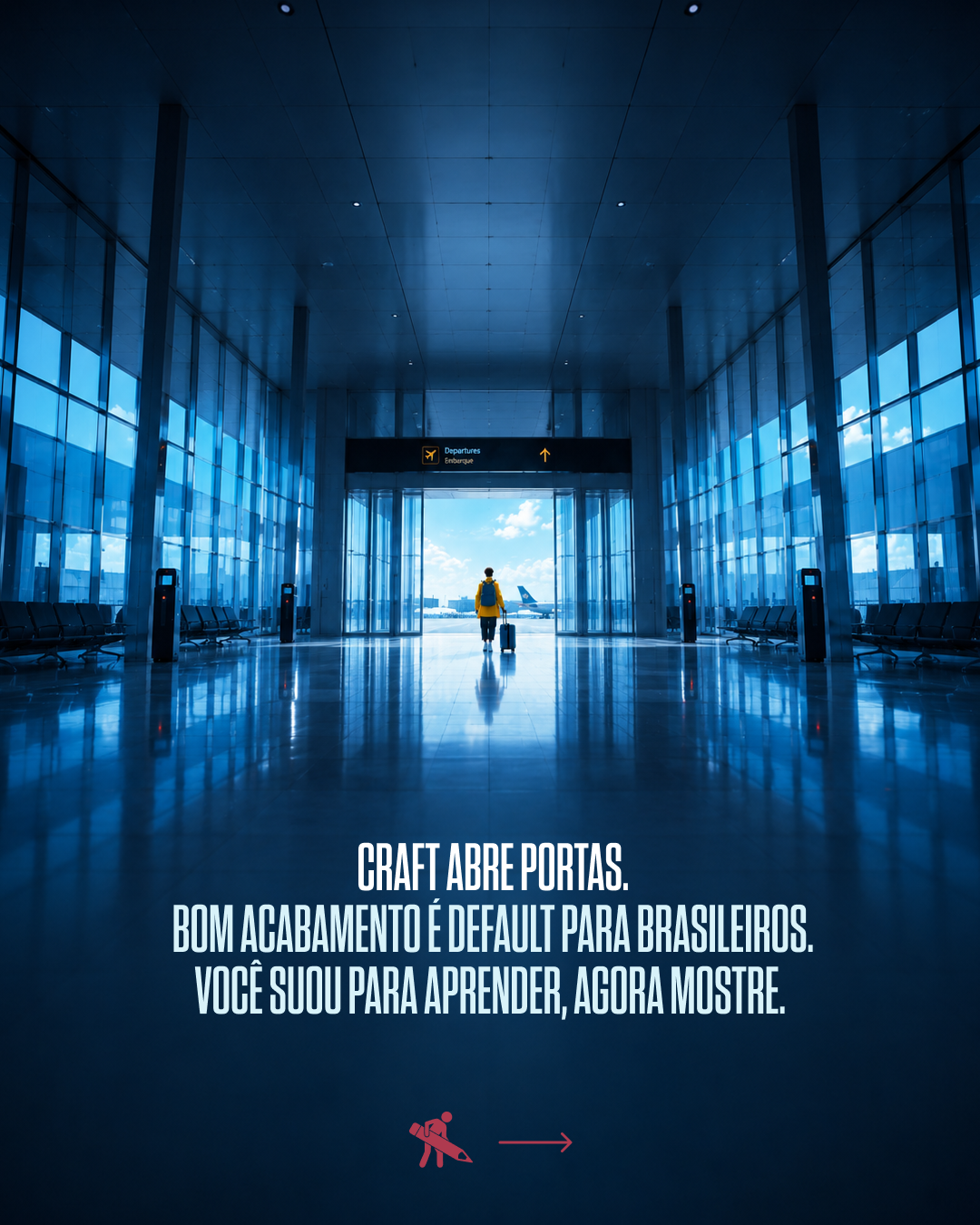
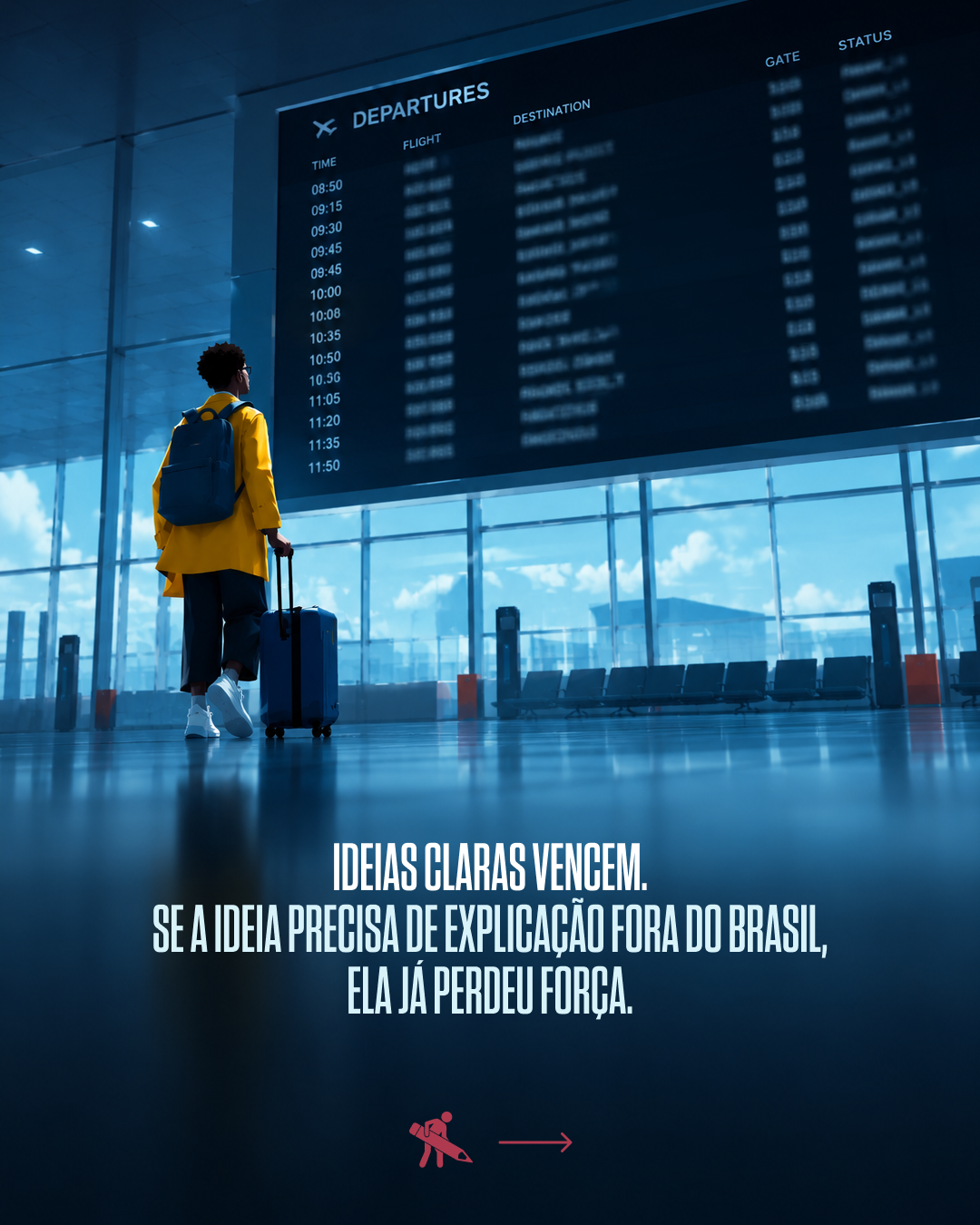
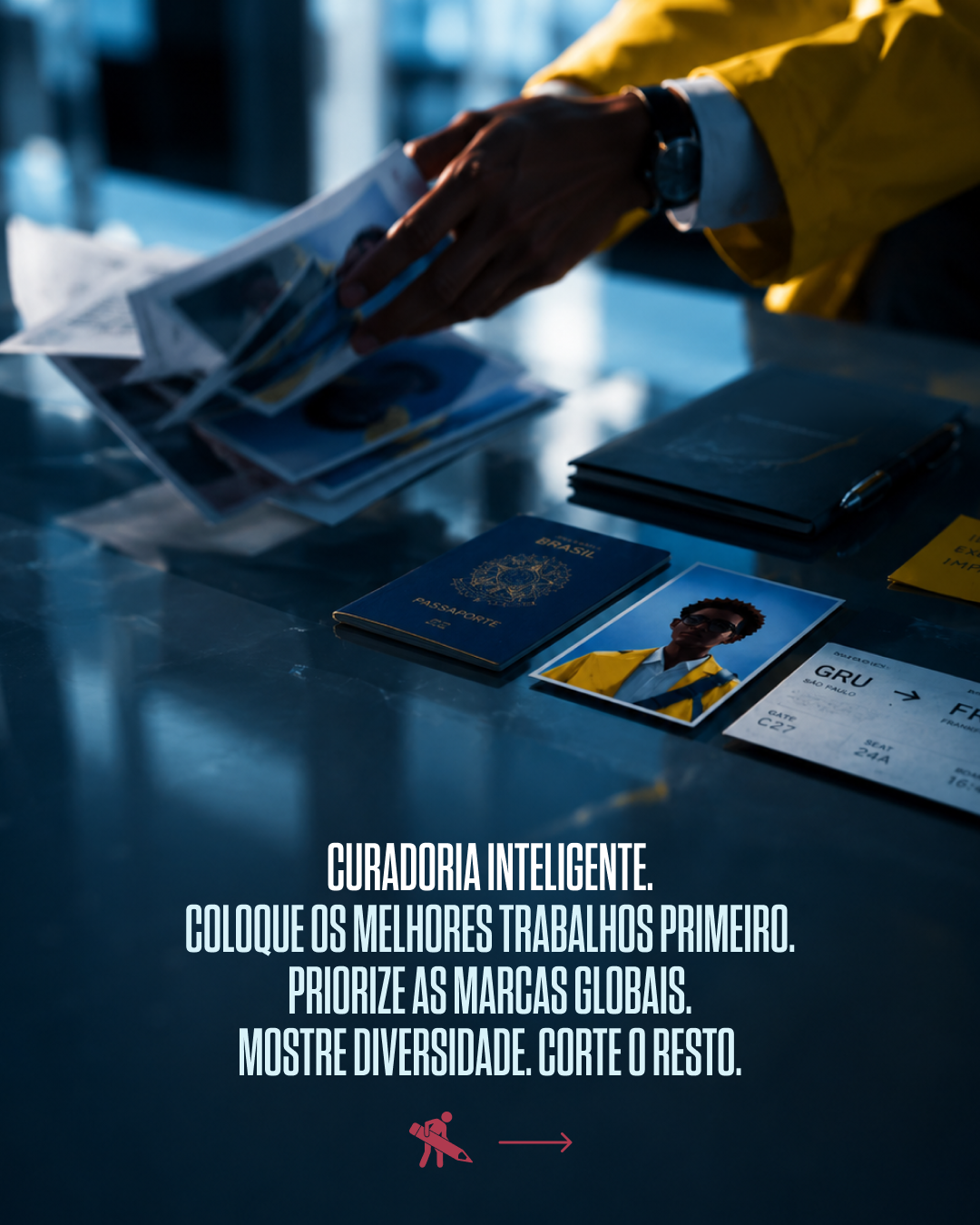
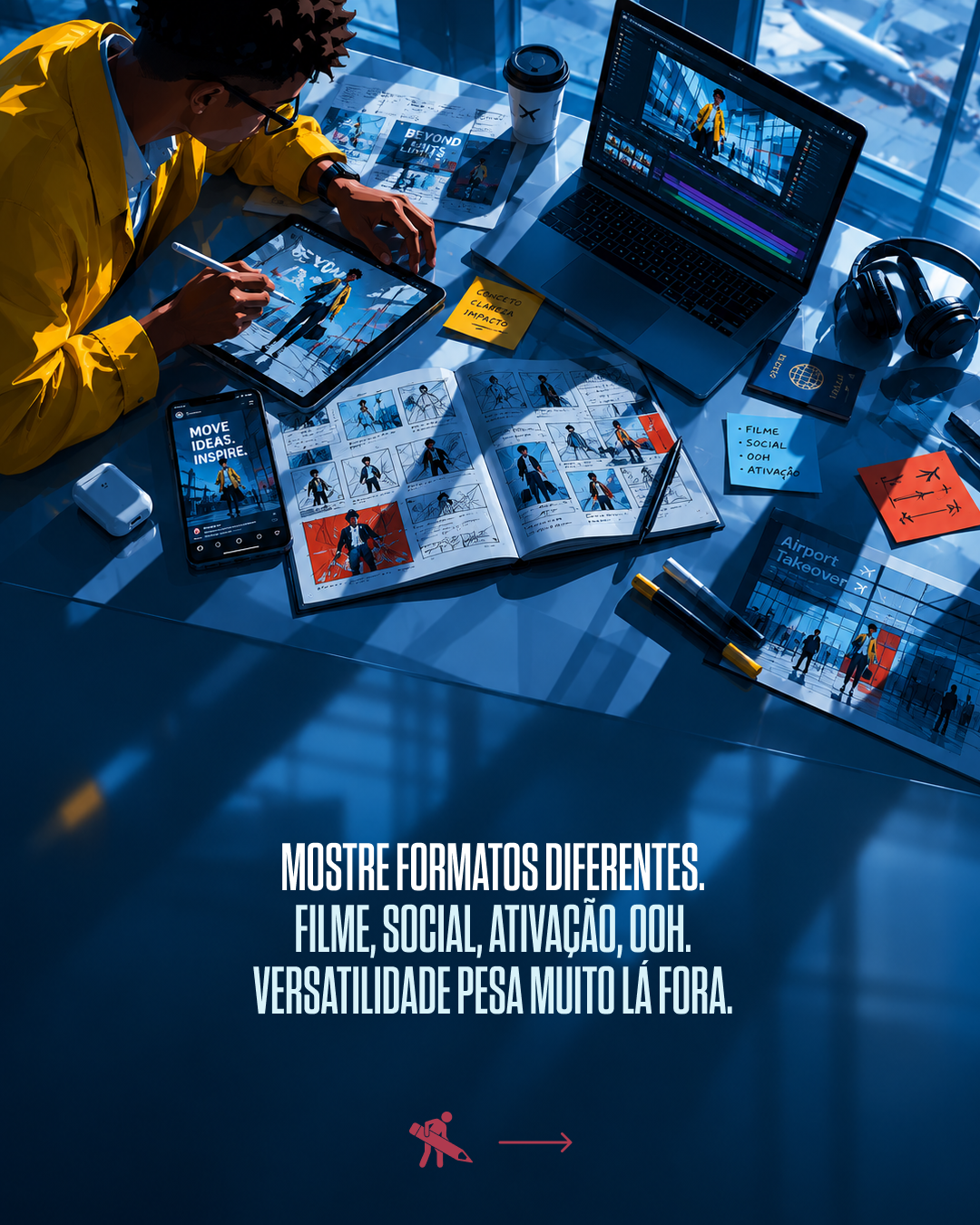
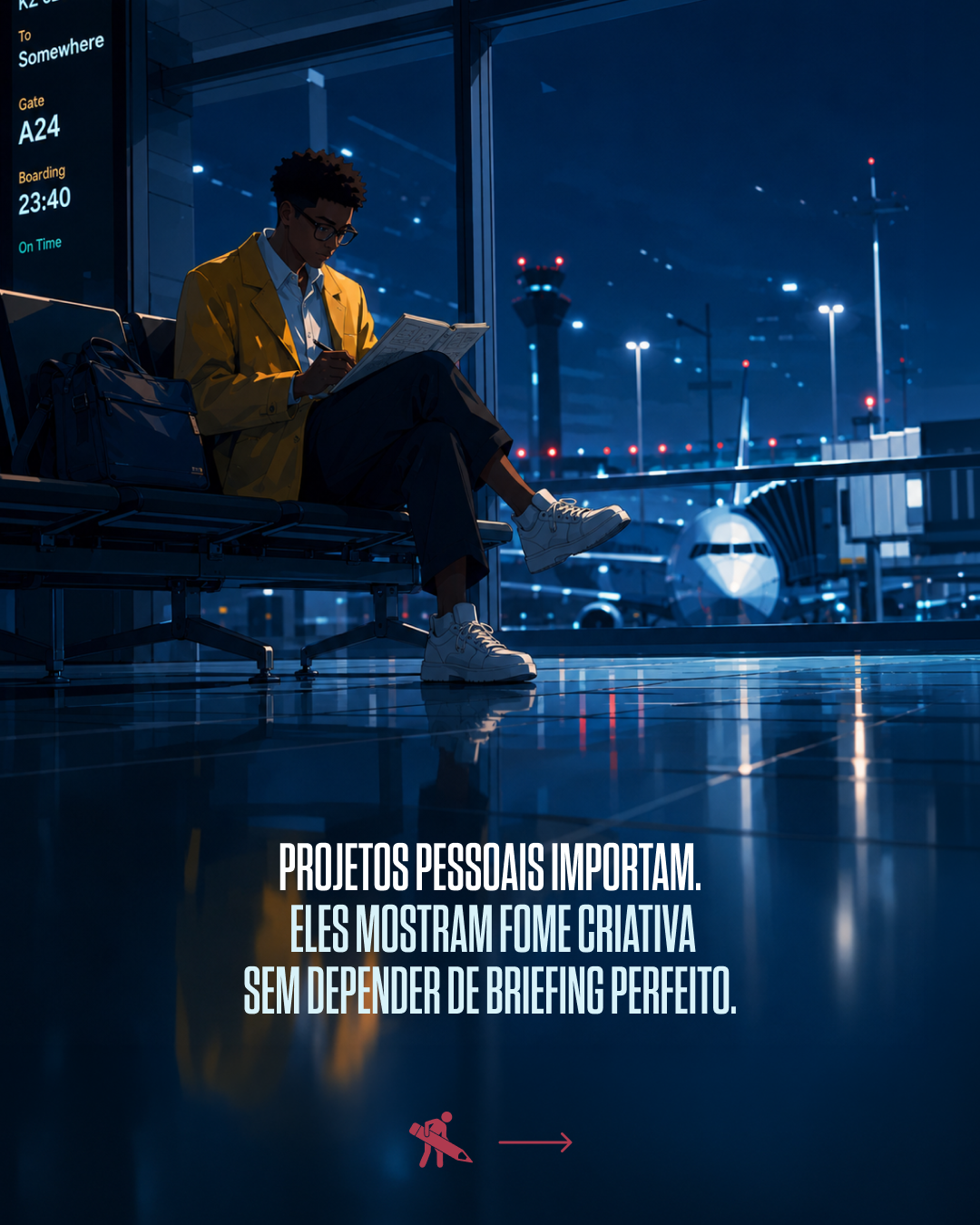
DOES YOUR PORTFOLIO HAVE A PASSPORT? Prepare your portfolio for international takeoff. Make your portfolio easy to navigate. Nobody is going to watch multiple case study videos. Show key frames, short clips, think about the user journey. Clear ideas win. If the idea needs extra explanation outside Brazil, it already lost strength. Show different formats. Film, social, activations, OOH. Versatility matters a lot internationally. Craft opens doors. Strong execution is already expected from Brazilian creatives. You worked hard to learn it. Now show it. Curate intelligently. Put your strongest projects first. Prioritize global brands. Show range. Cut the rest. Personal projects matter. They show creative hunger without depending on the perfect brief.
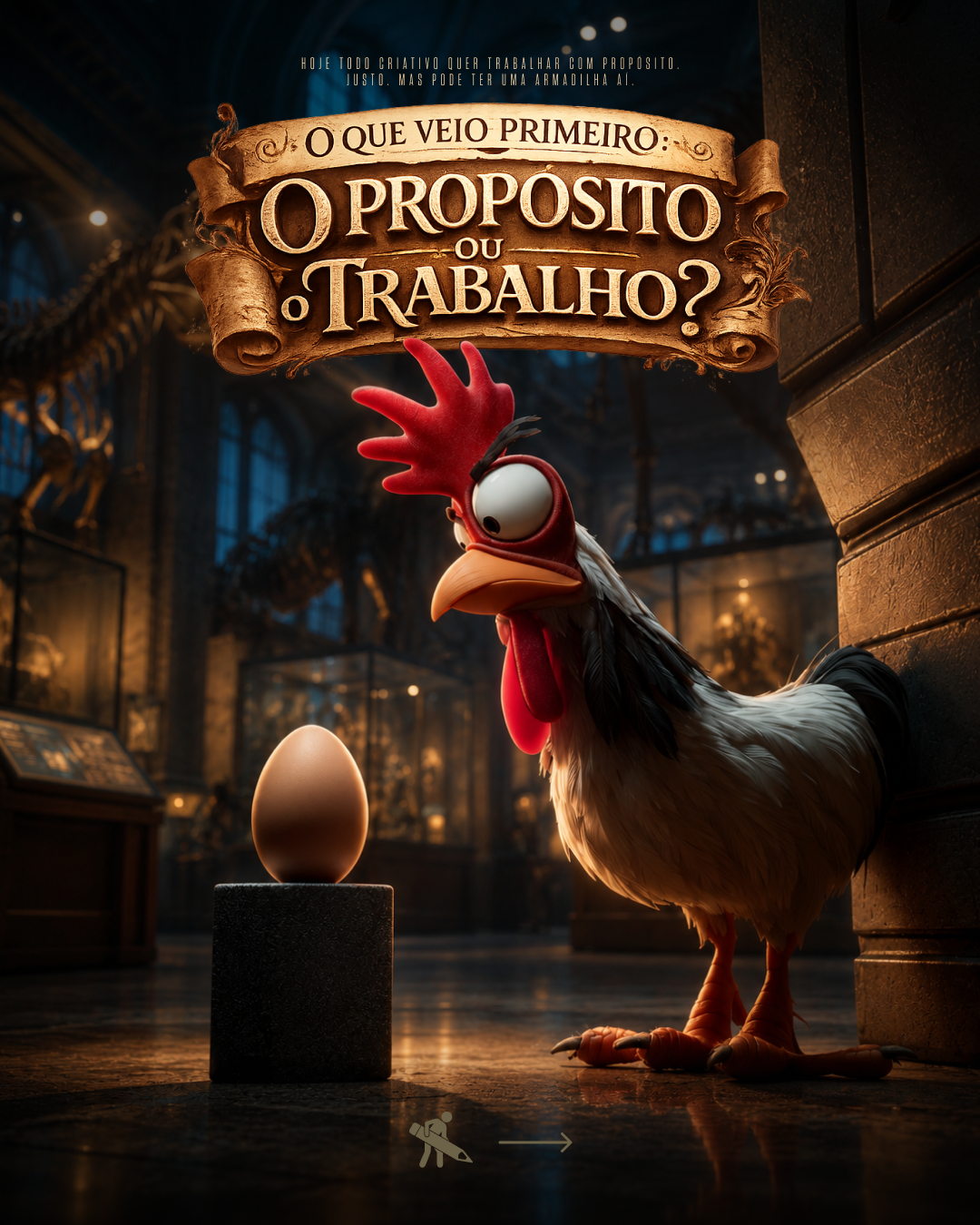
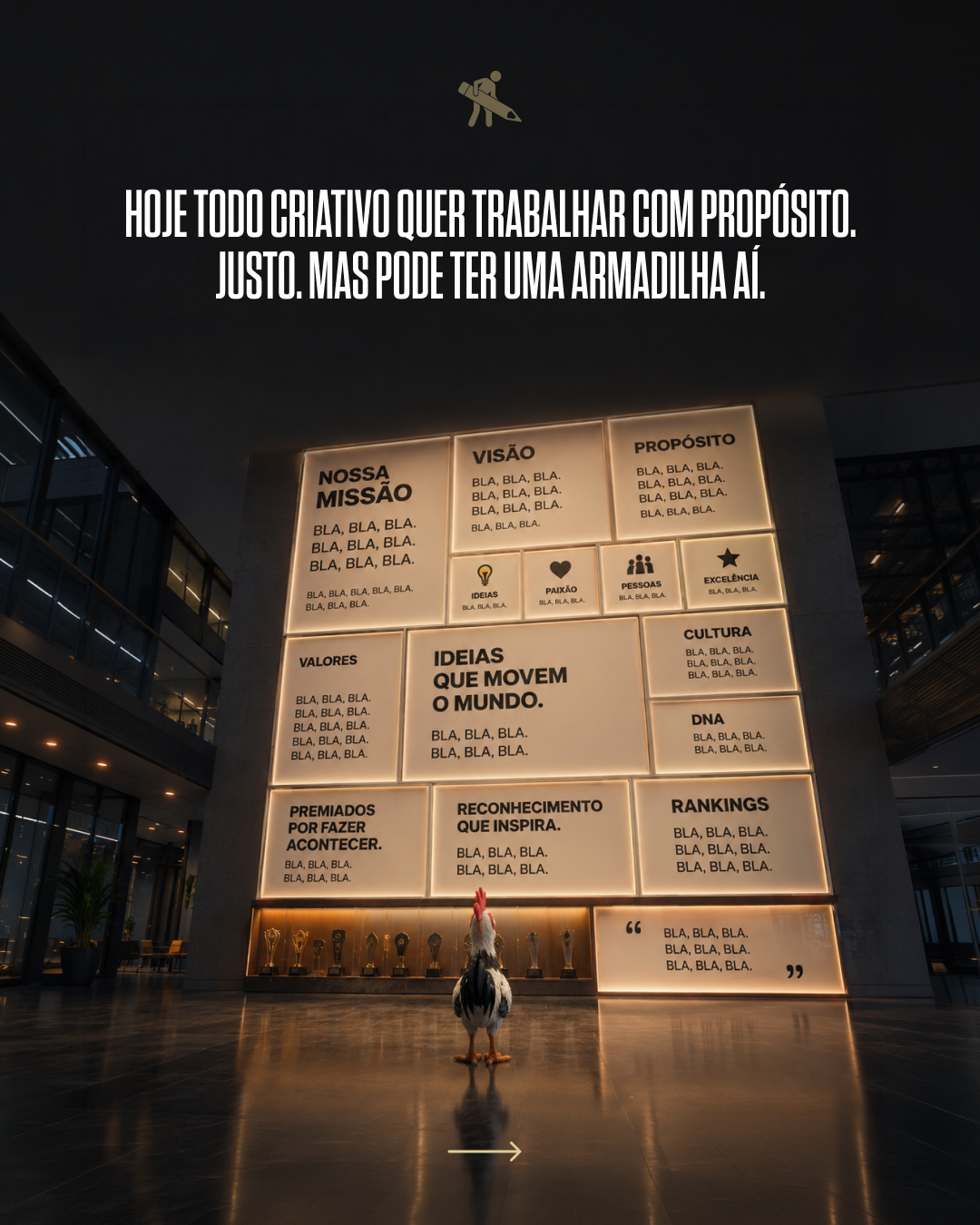
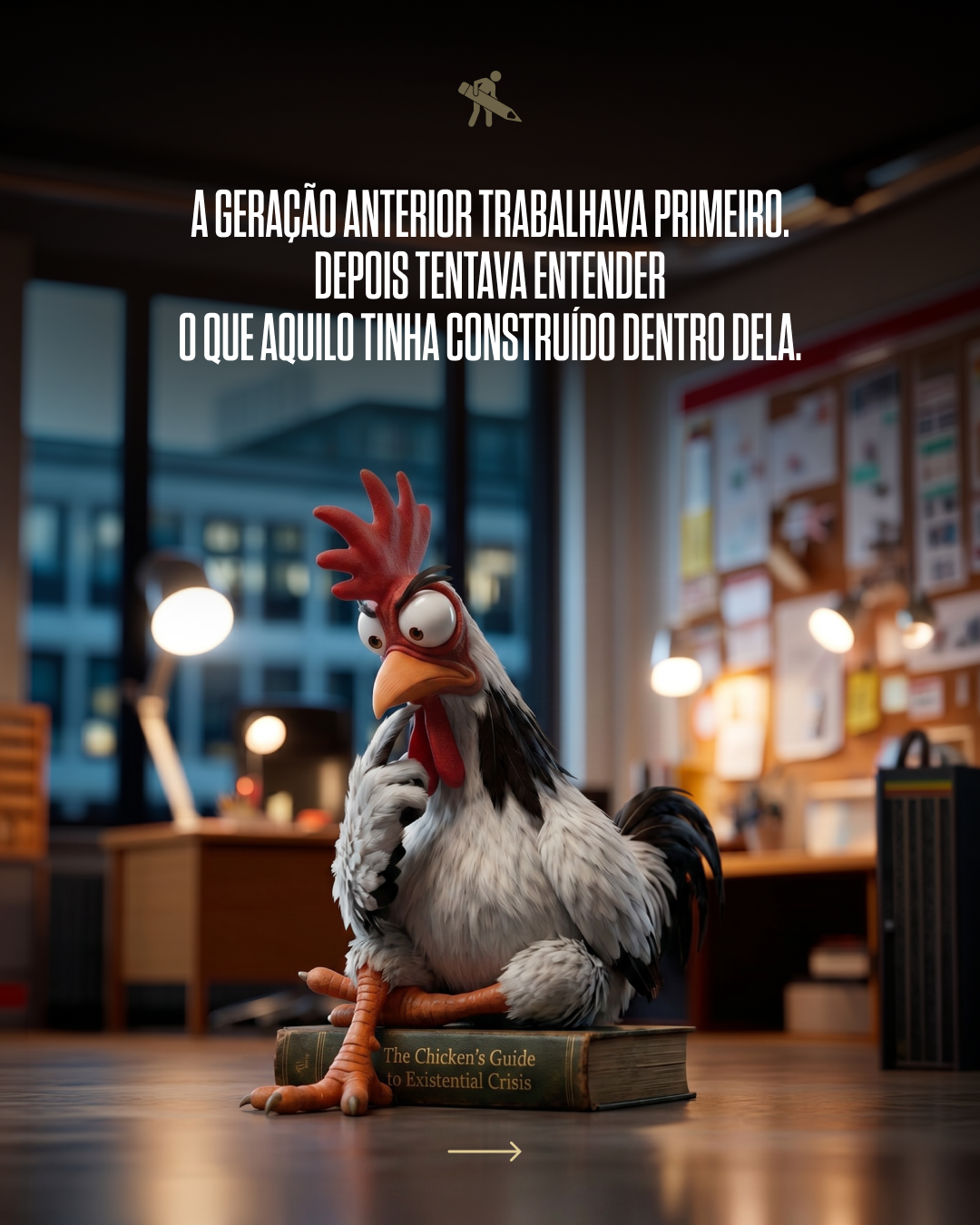
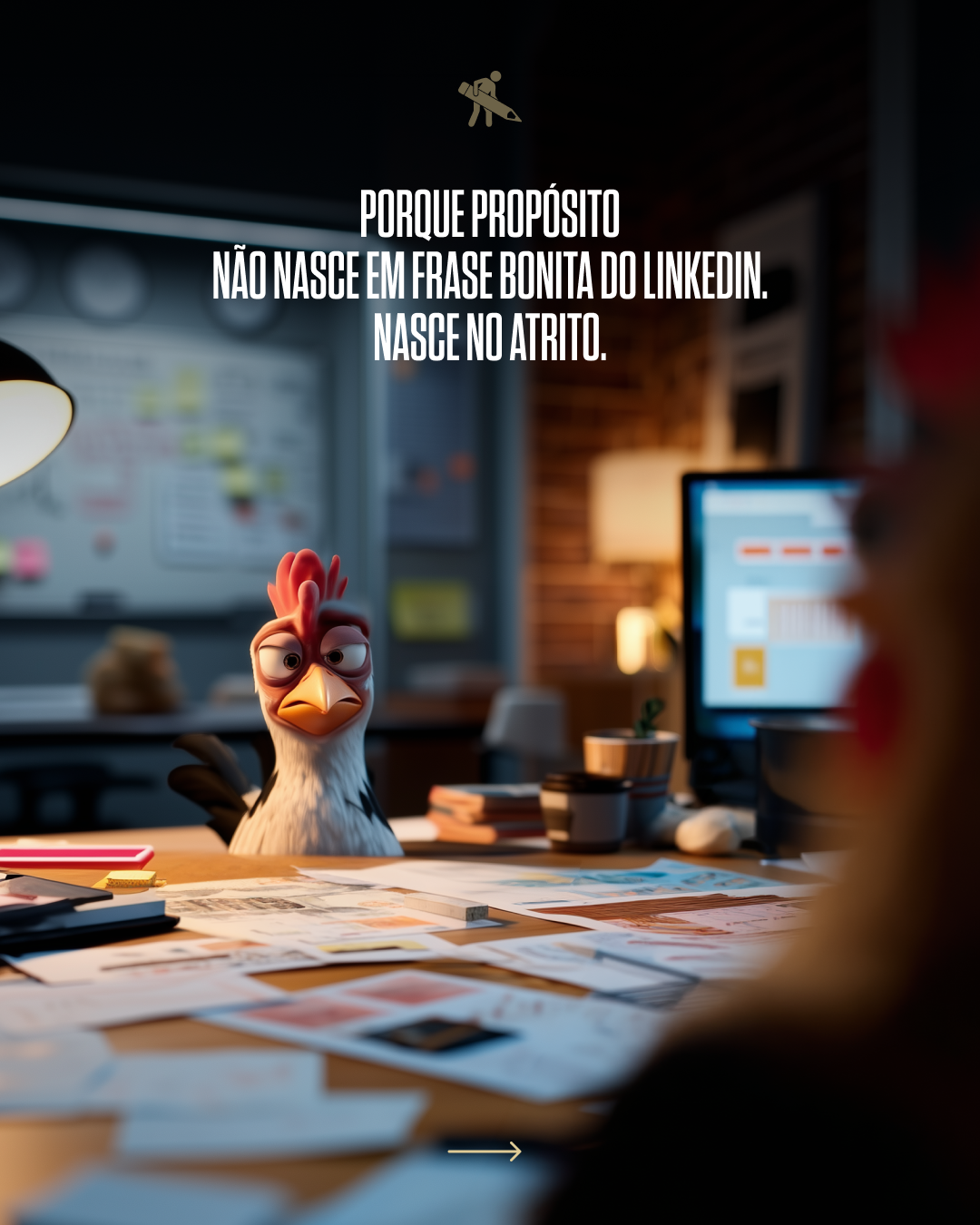
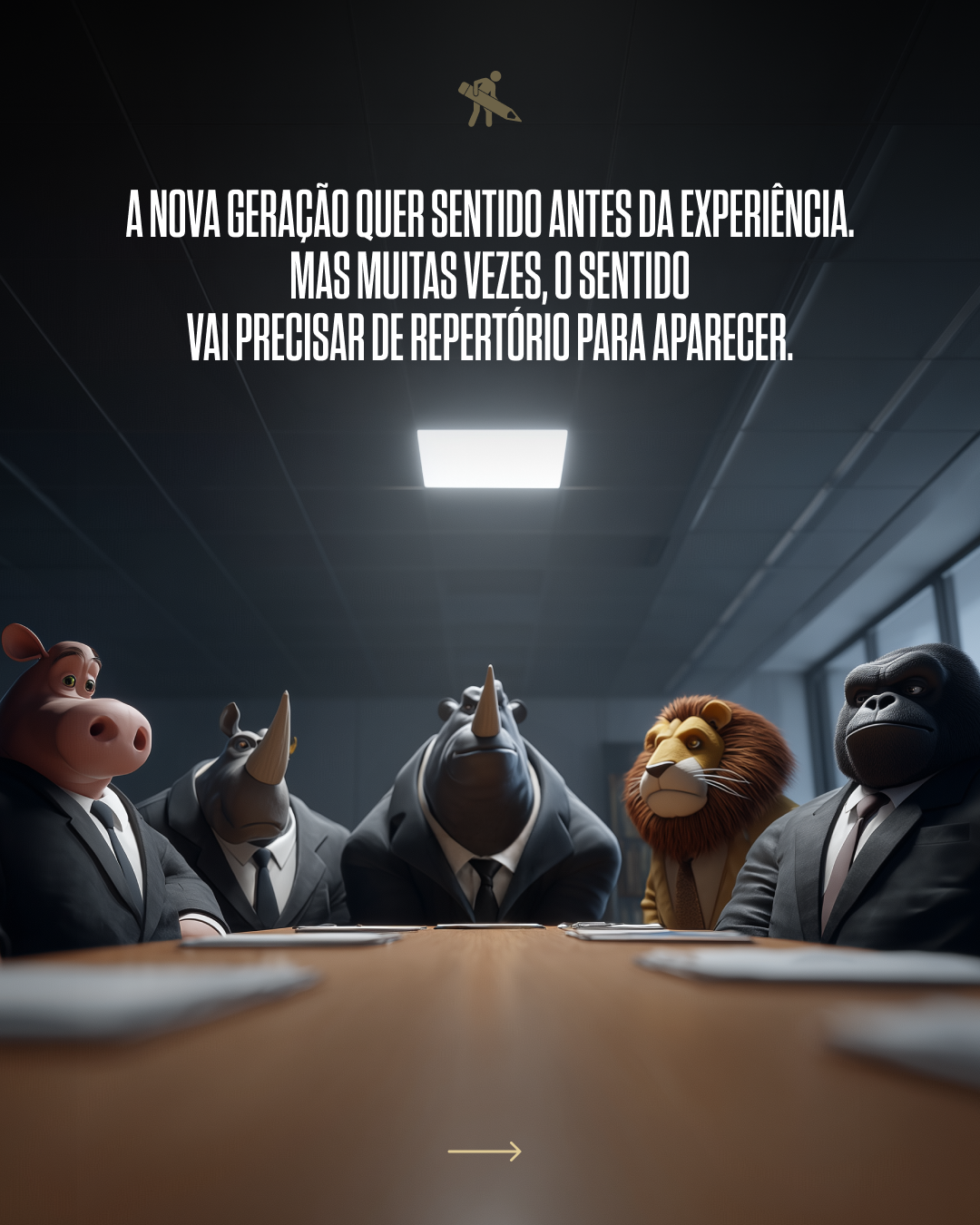
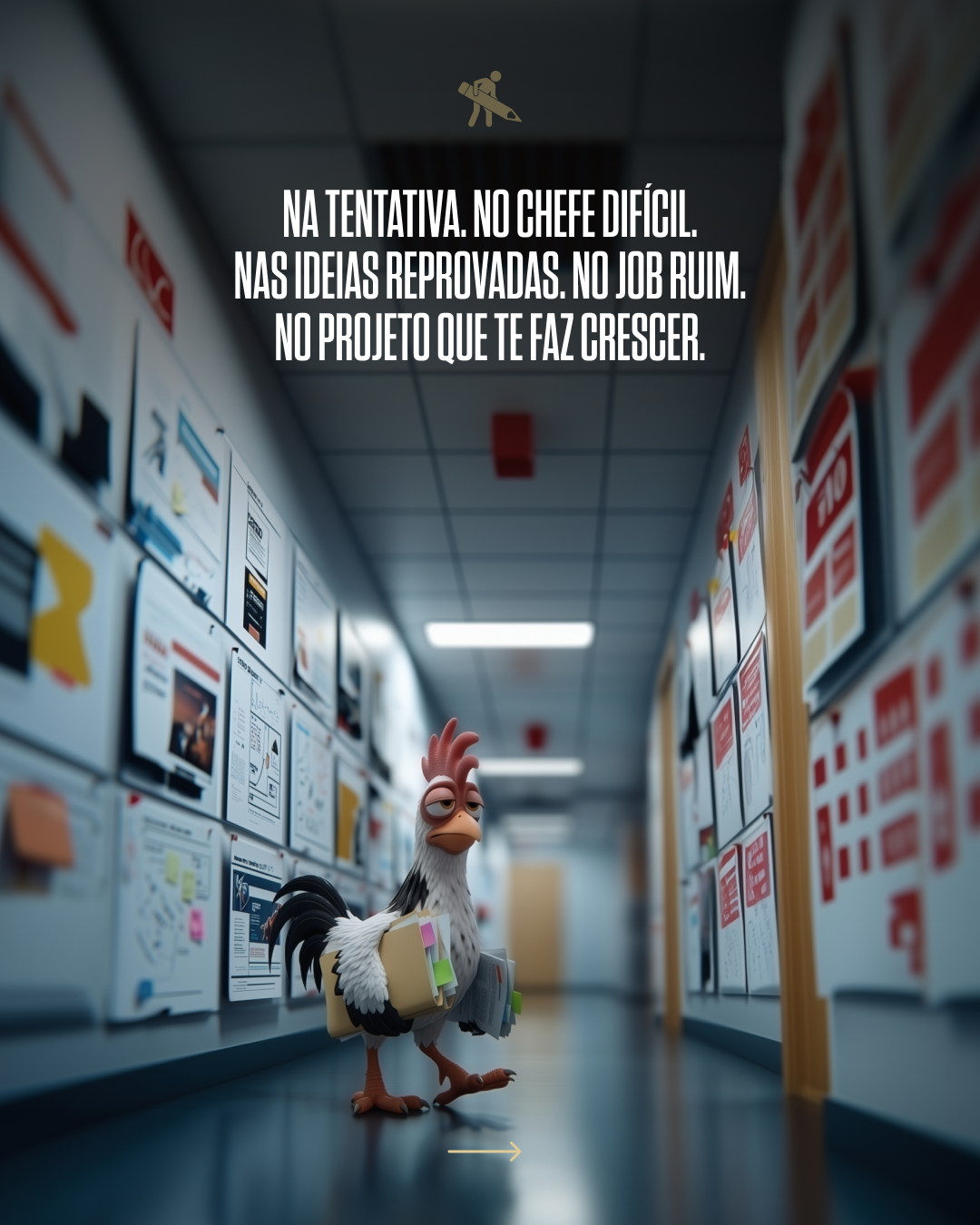
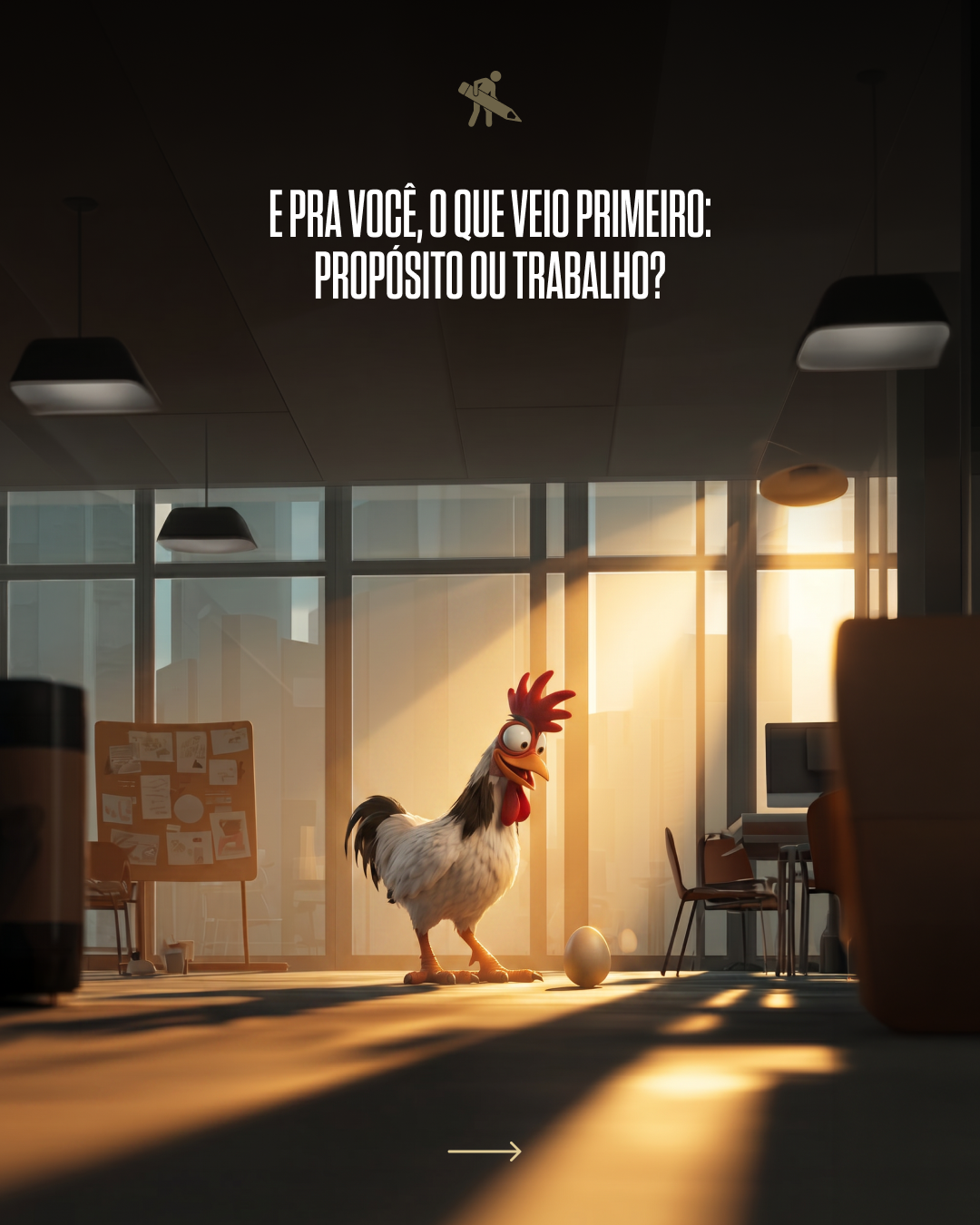
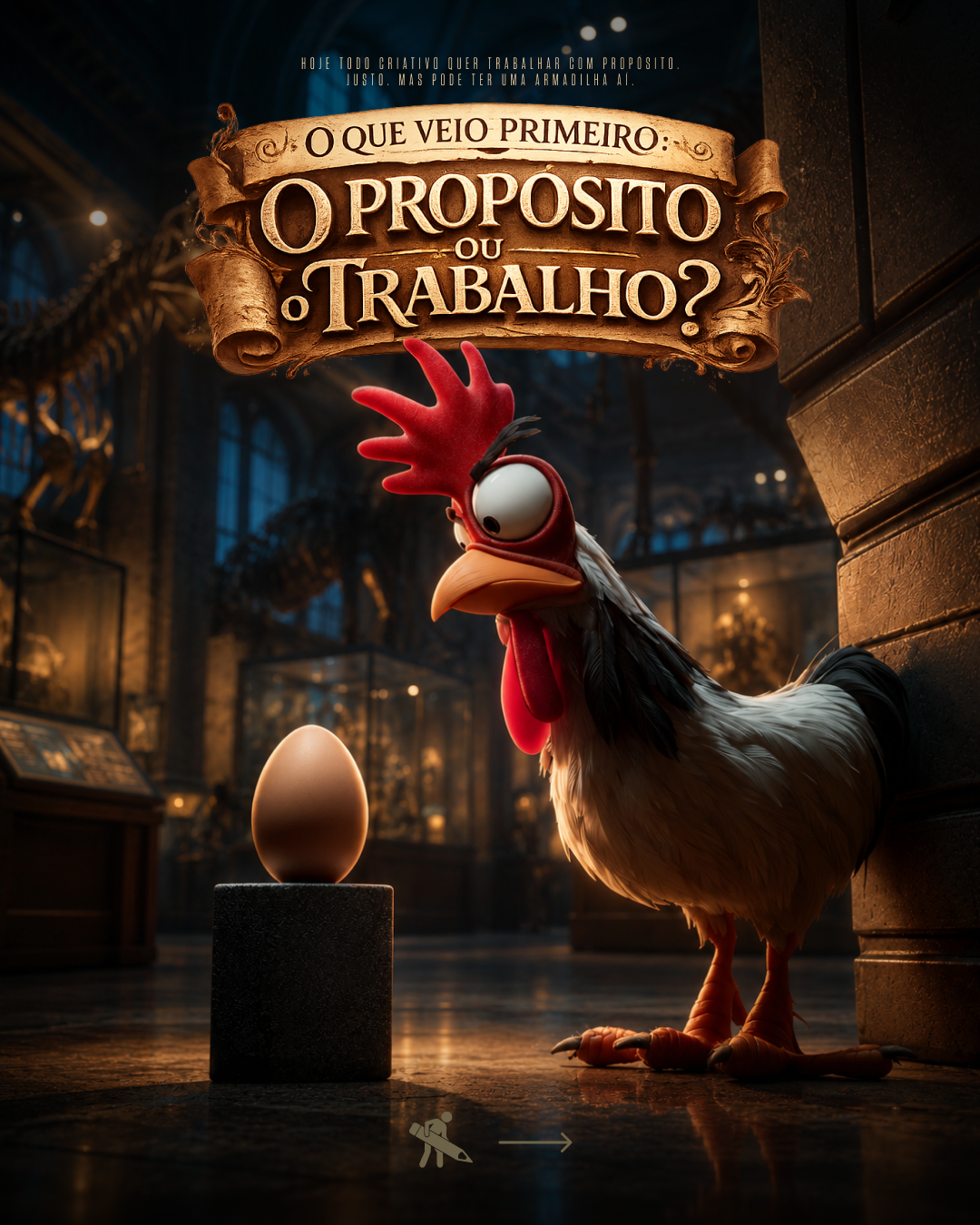
WHAT CAME FIRST: PURPOSE OR THE WORK? Today, every creative wants to work with purpose. Fair enough. But there may be an AI-shaped trap hiding there. Because purpose doesn't come from a polished LinkedIn statement. It comes from friction. From trying. From difficult bosses. From rejected ideas. From bad jobs. From the projects that force you to grow. The previous generation worked first. Then tried to understand what all that work had built inside them. The new generation wants meaning before experience. But more often than not, meaning needs experience before it can reveal itself. What about you? Which came first: purpose or the work?
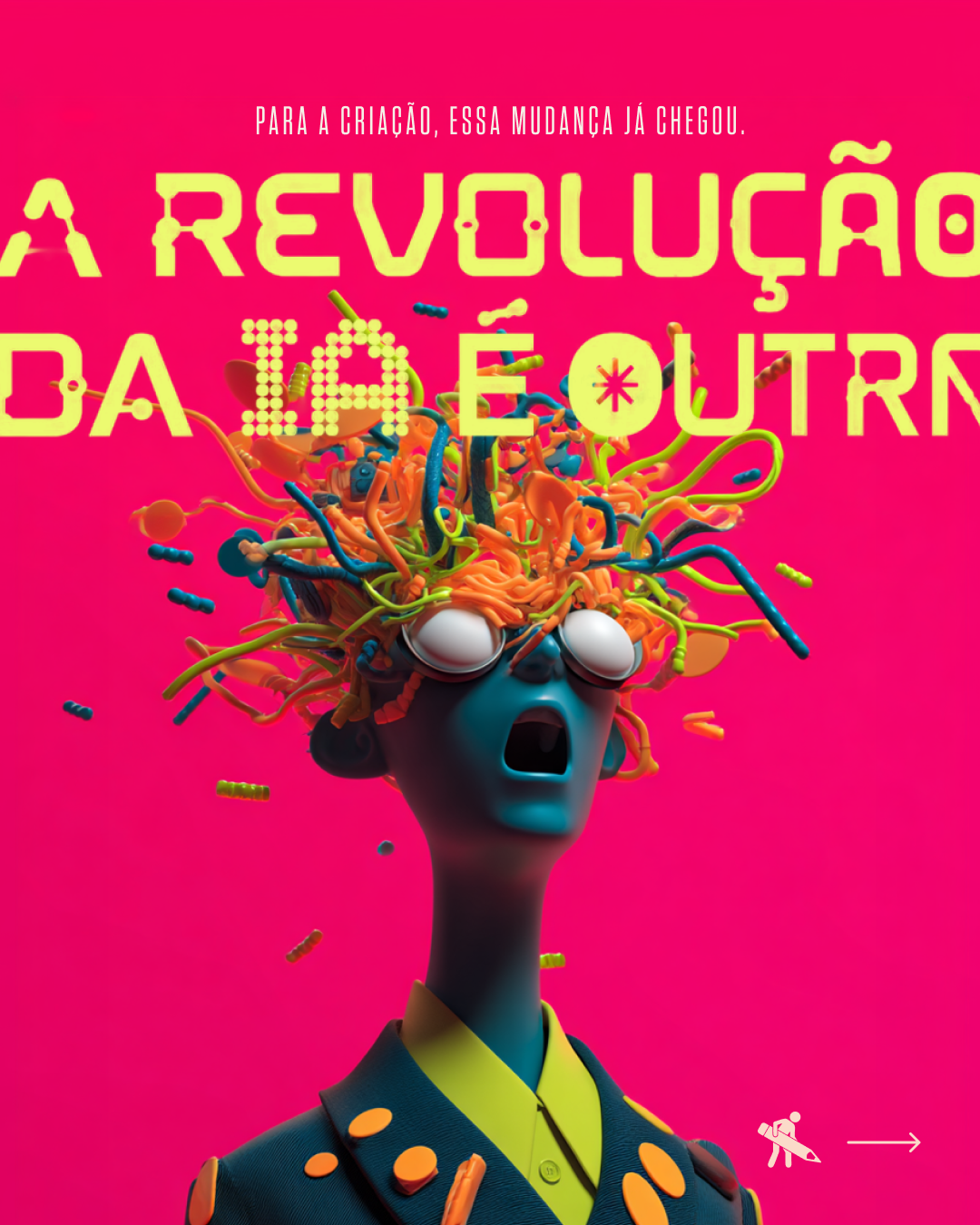
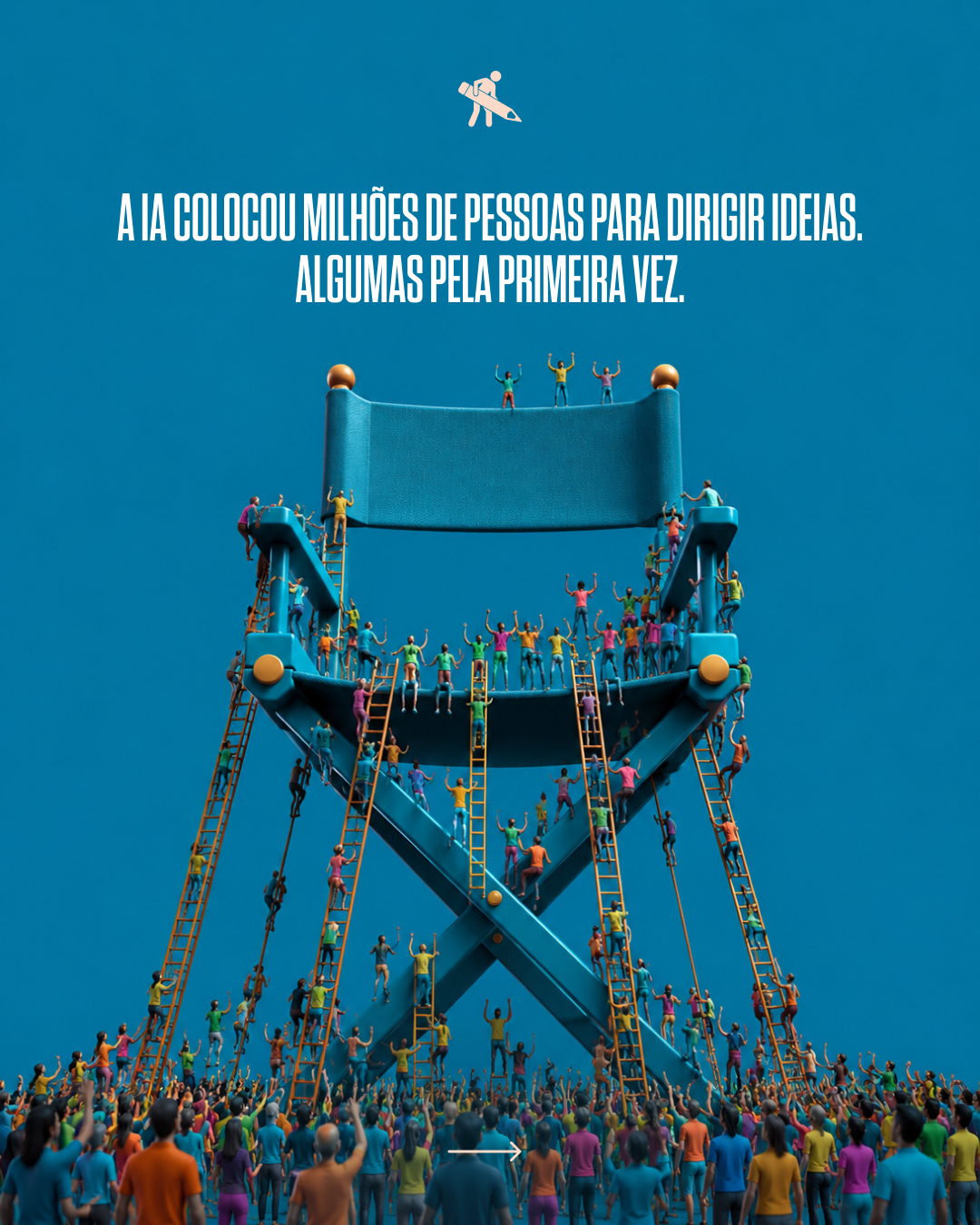
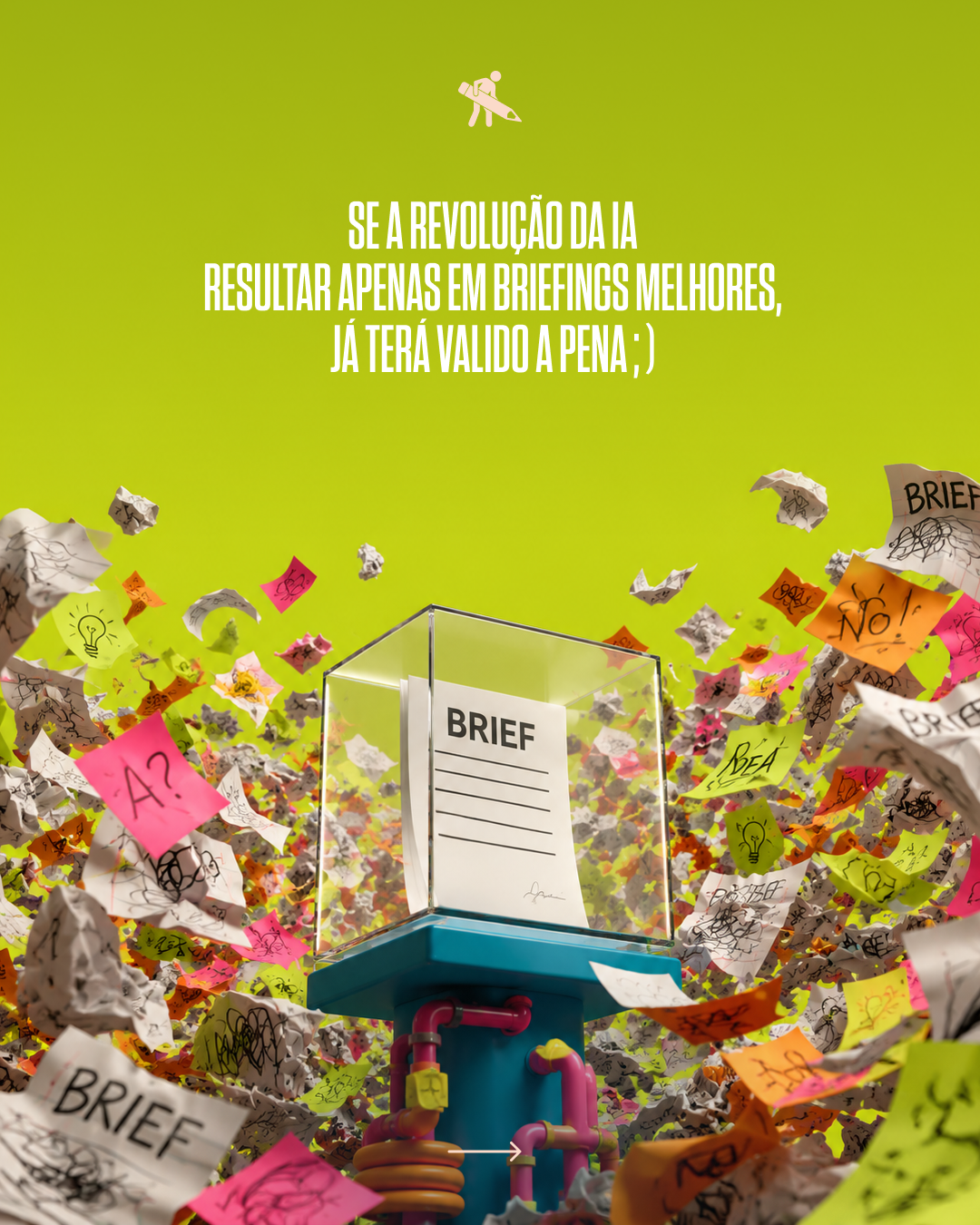
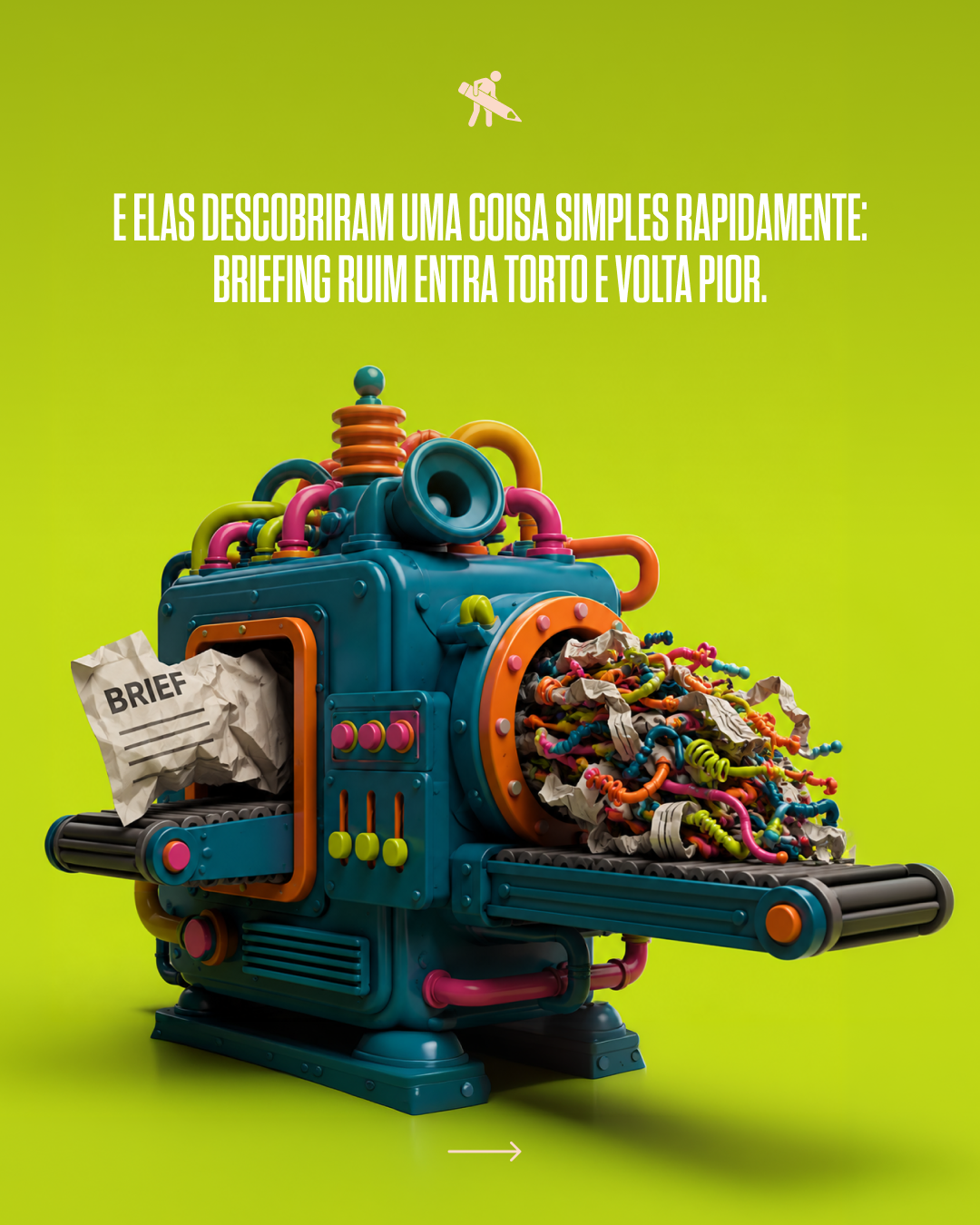
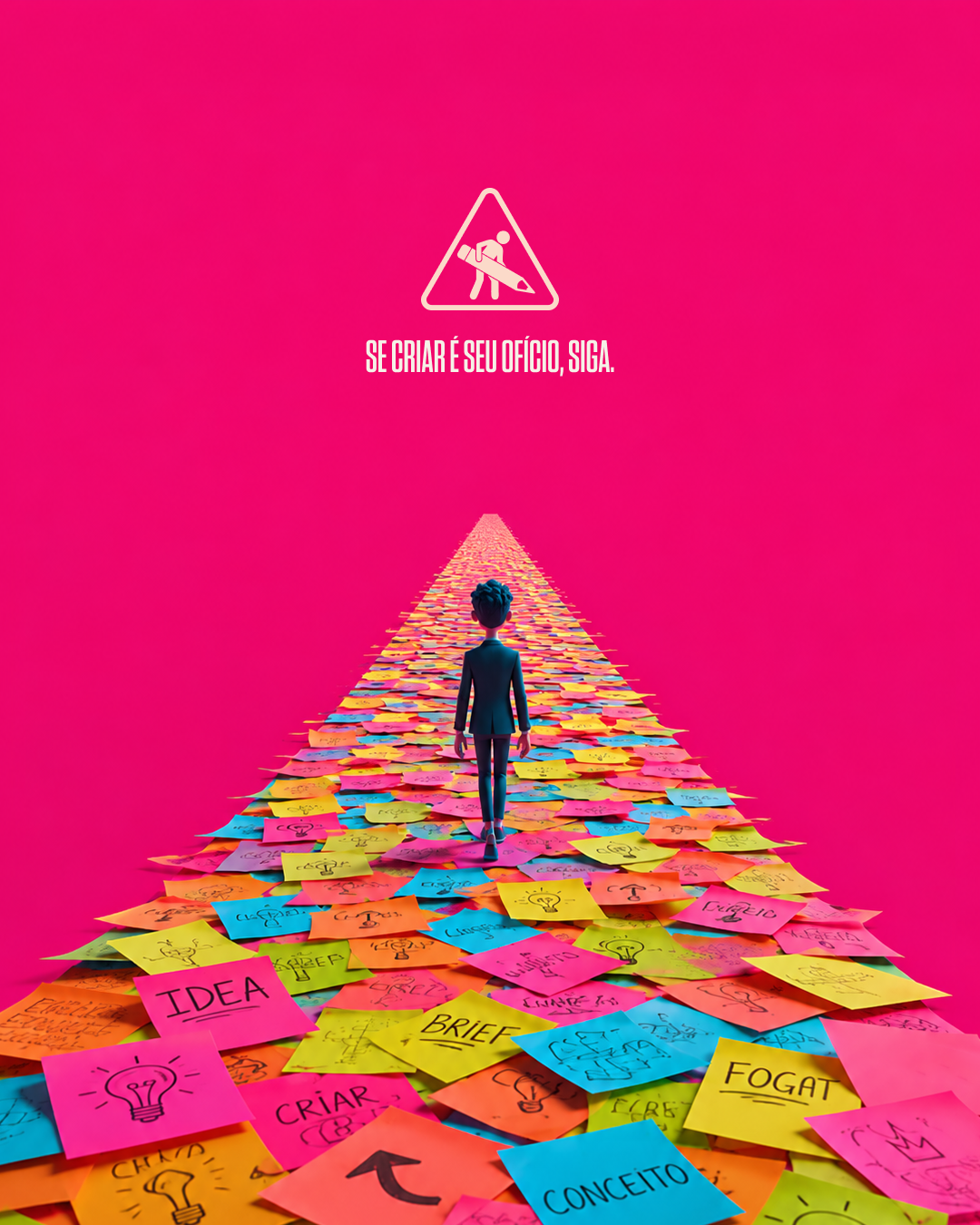
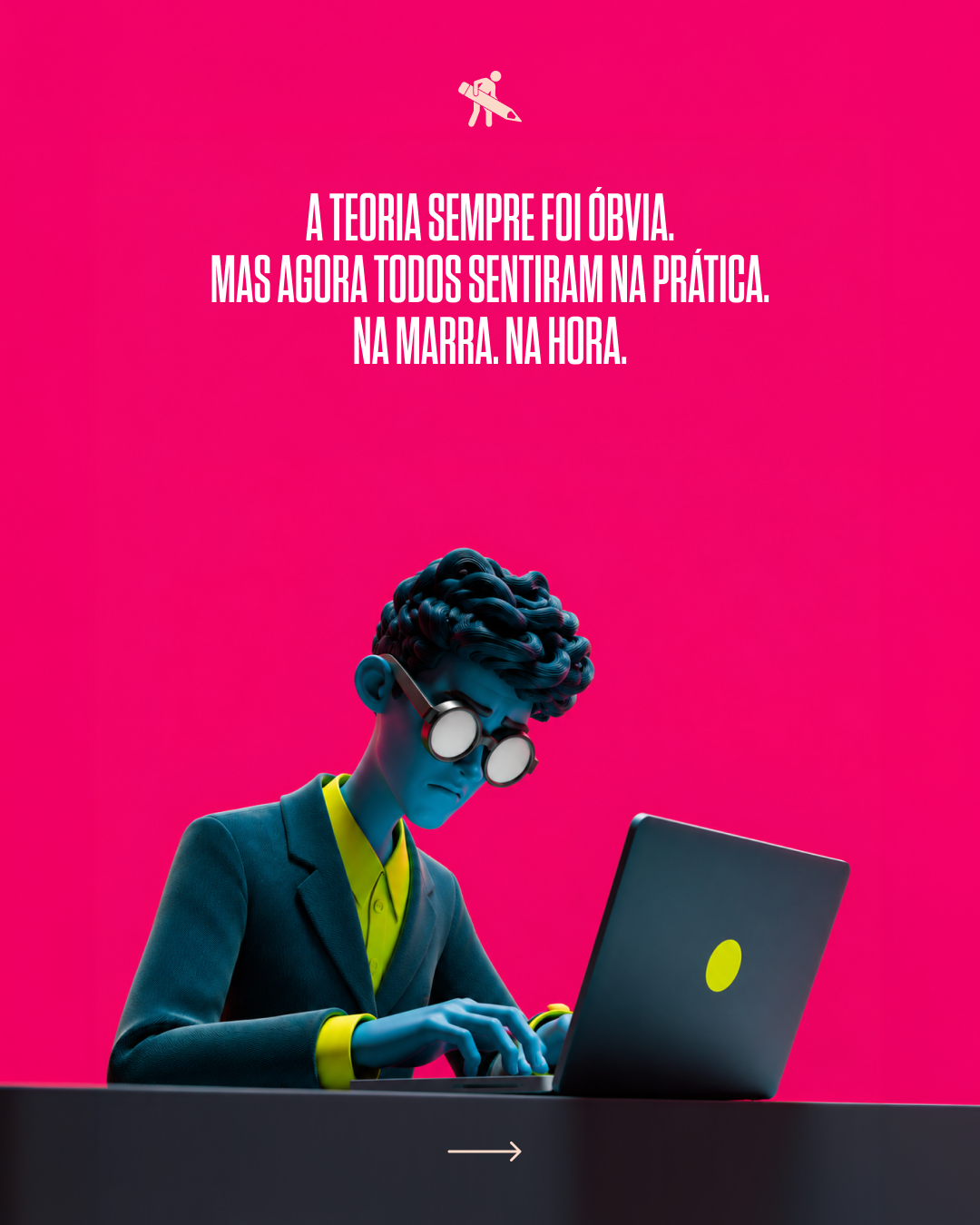
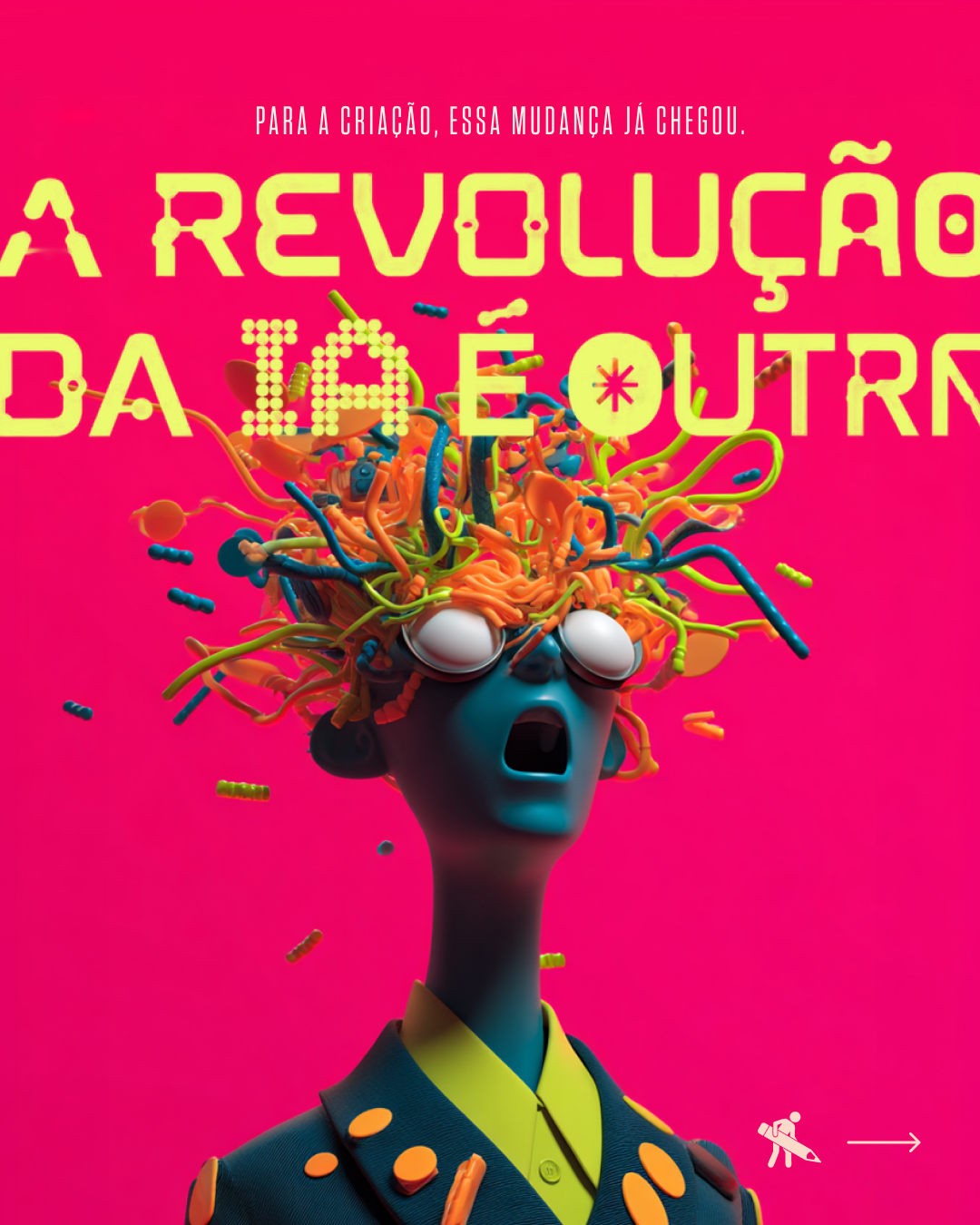
THE AI REVOLUTION IS A DIFFERENT ONE. For creative work, that shift has already happened. AI has put millions of people in the director’s chair. Some for the very first time. And they quickly discovered a simple truth: a bad brief goes in crooked and comes back worse. The theory was always obvious. But now everyone has felt it firsthand. The hard way. In real time. If the AI revolution leads to nothing more than better briefs, it will already have been worth it. ;)
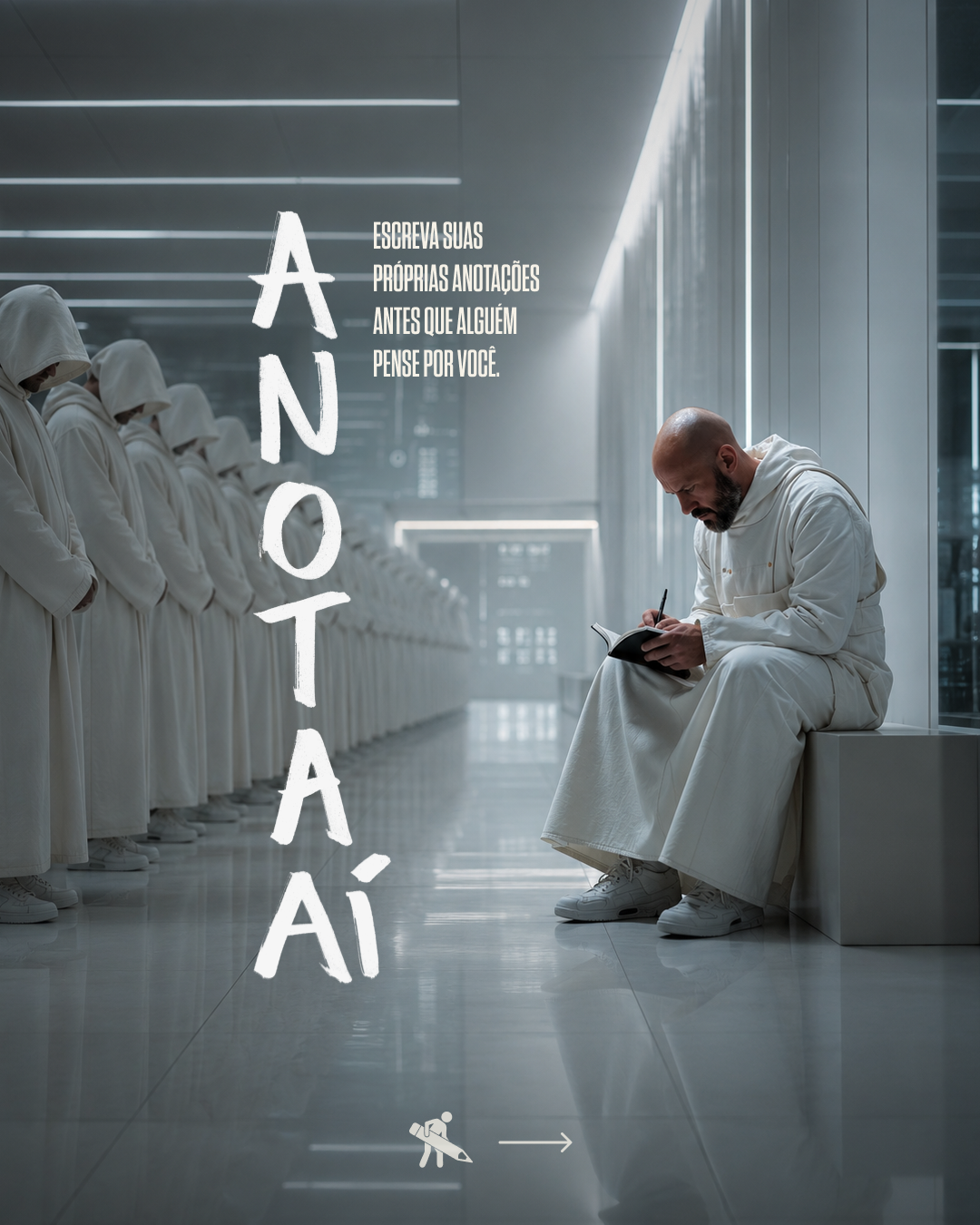
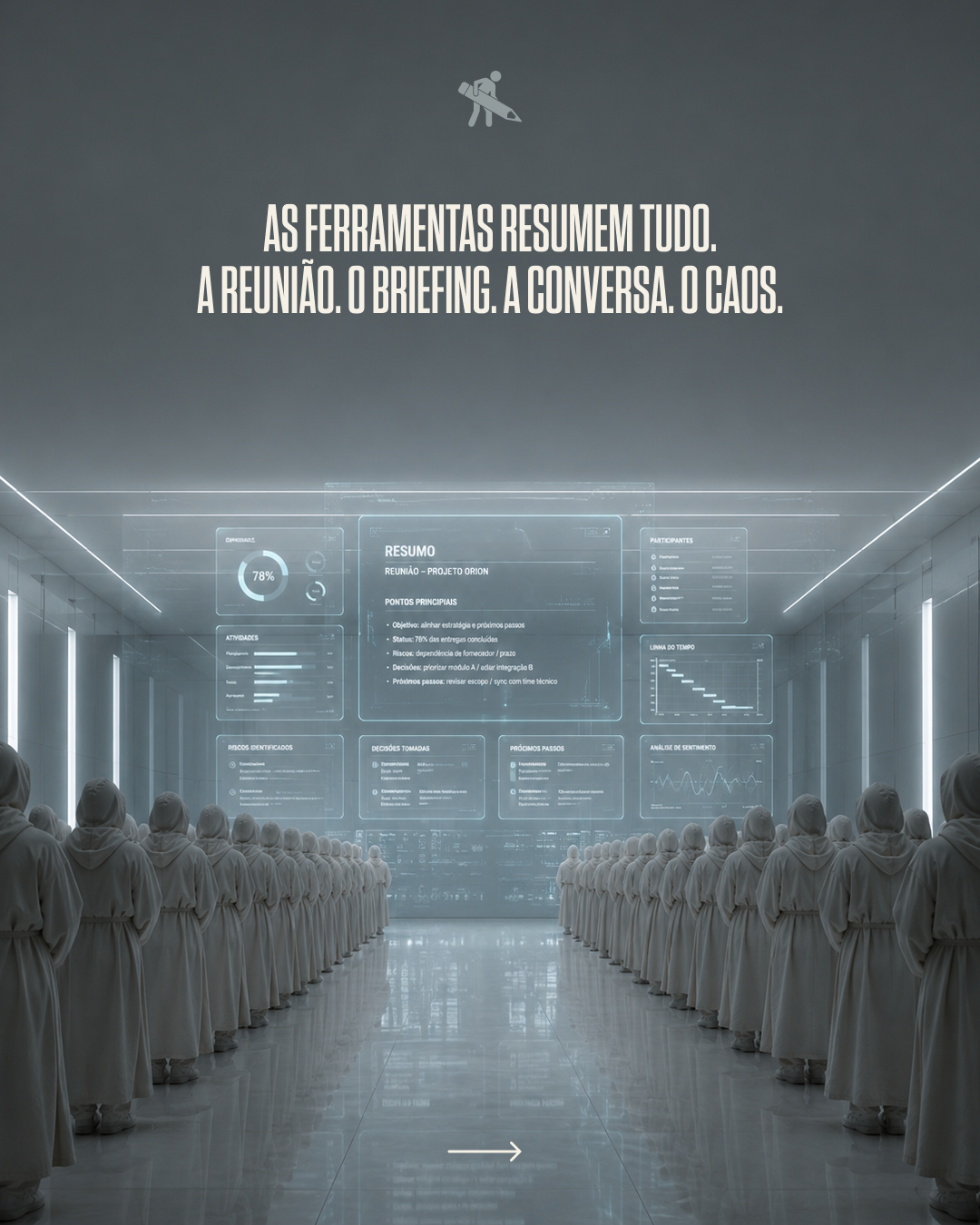
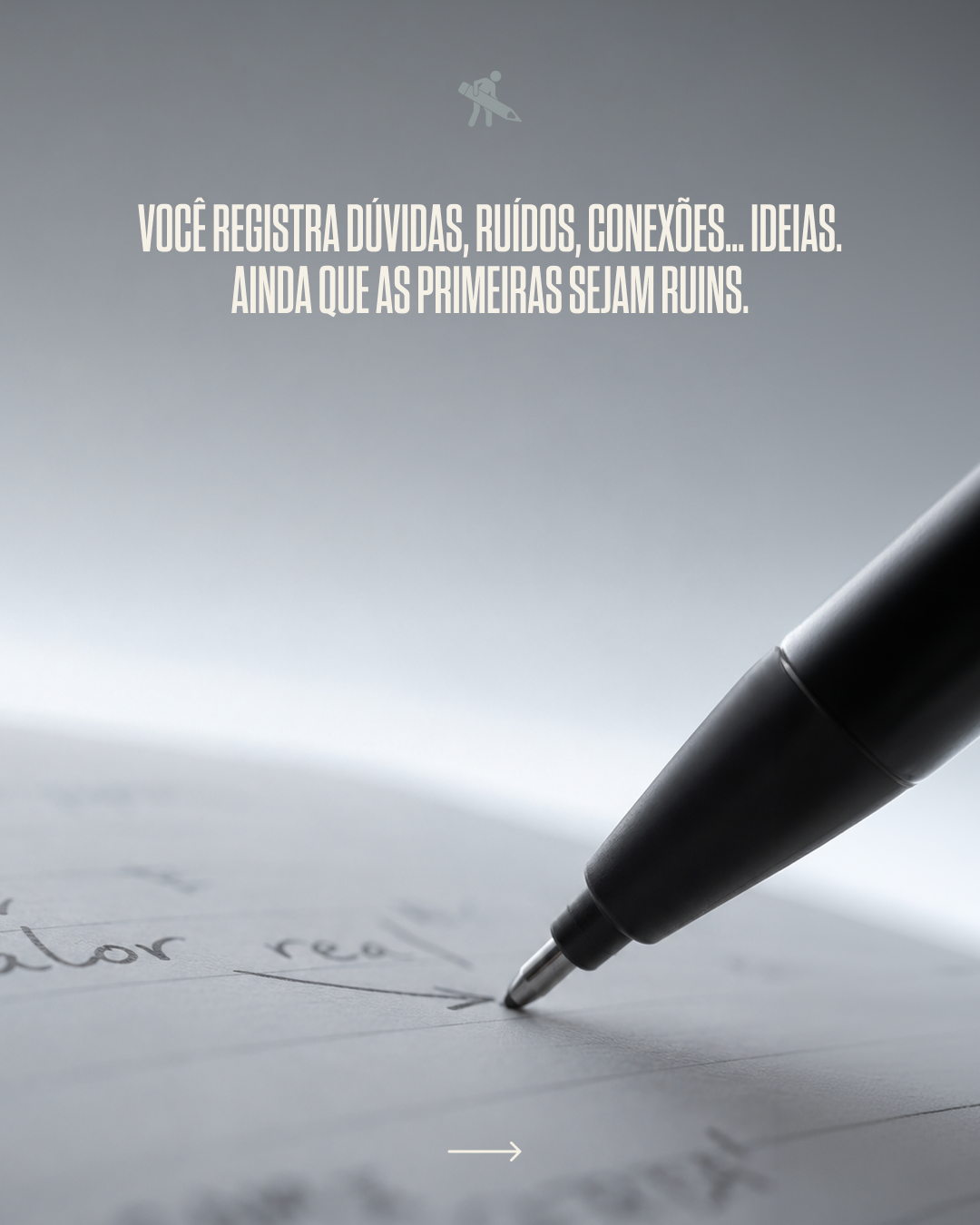
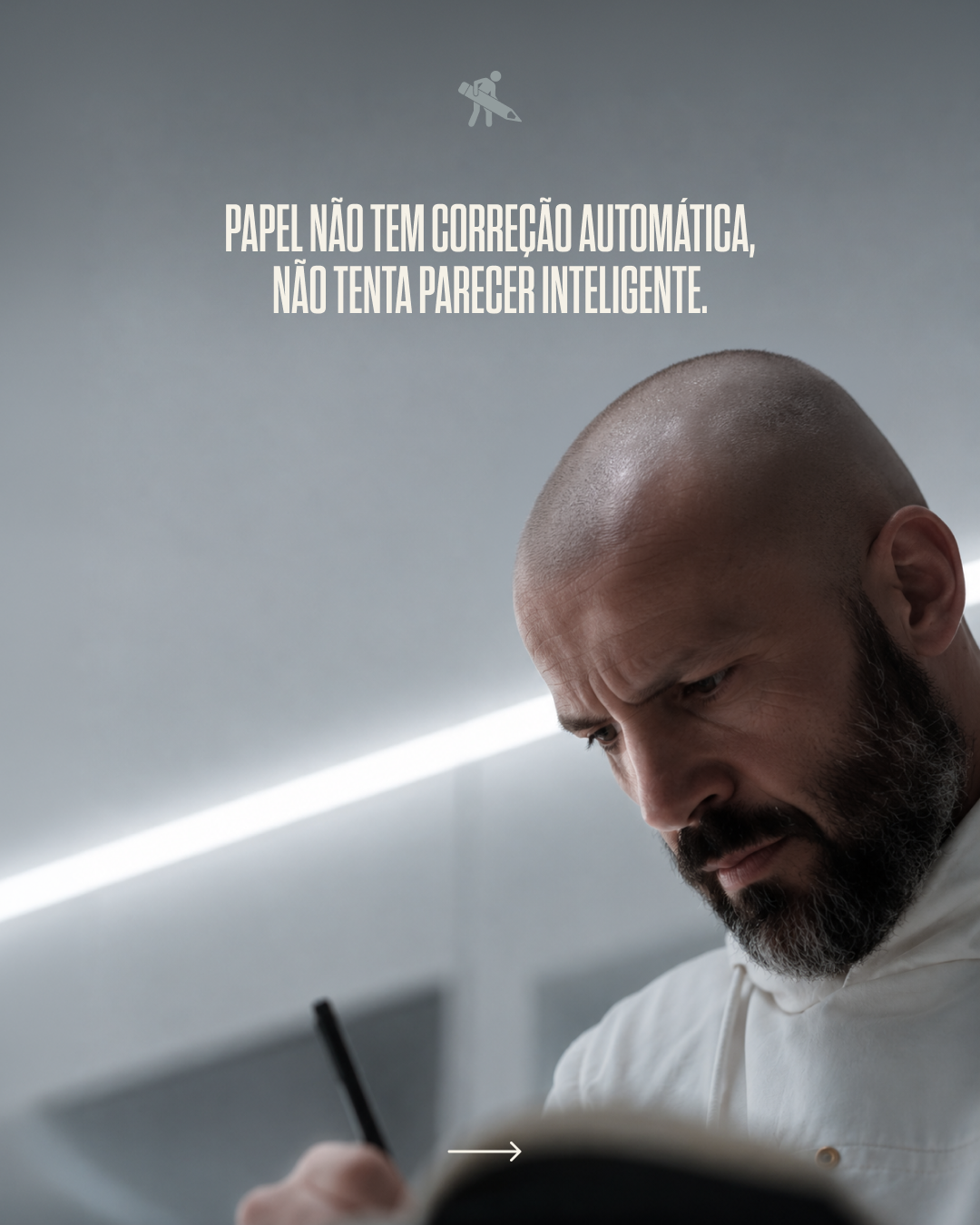
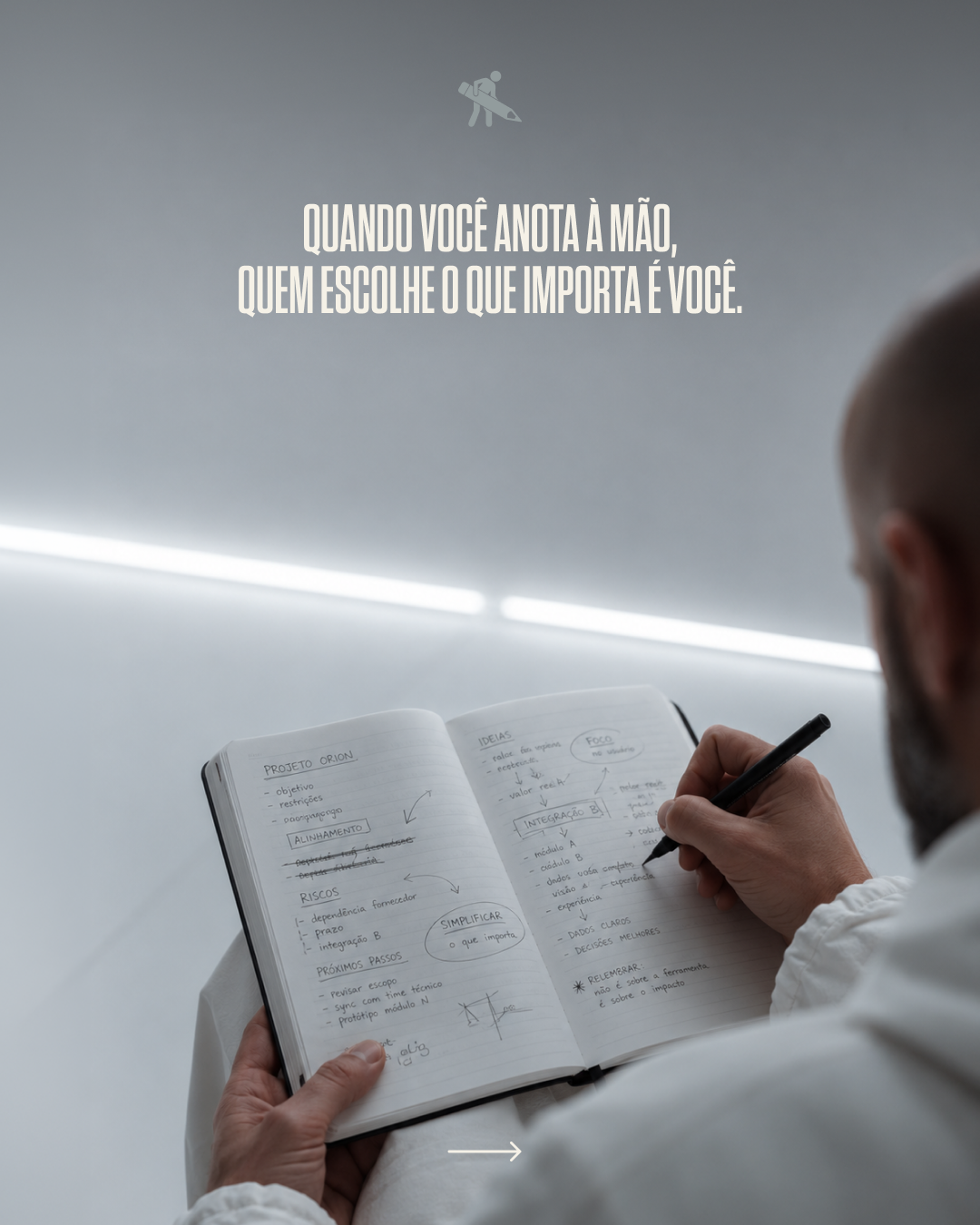
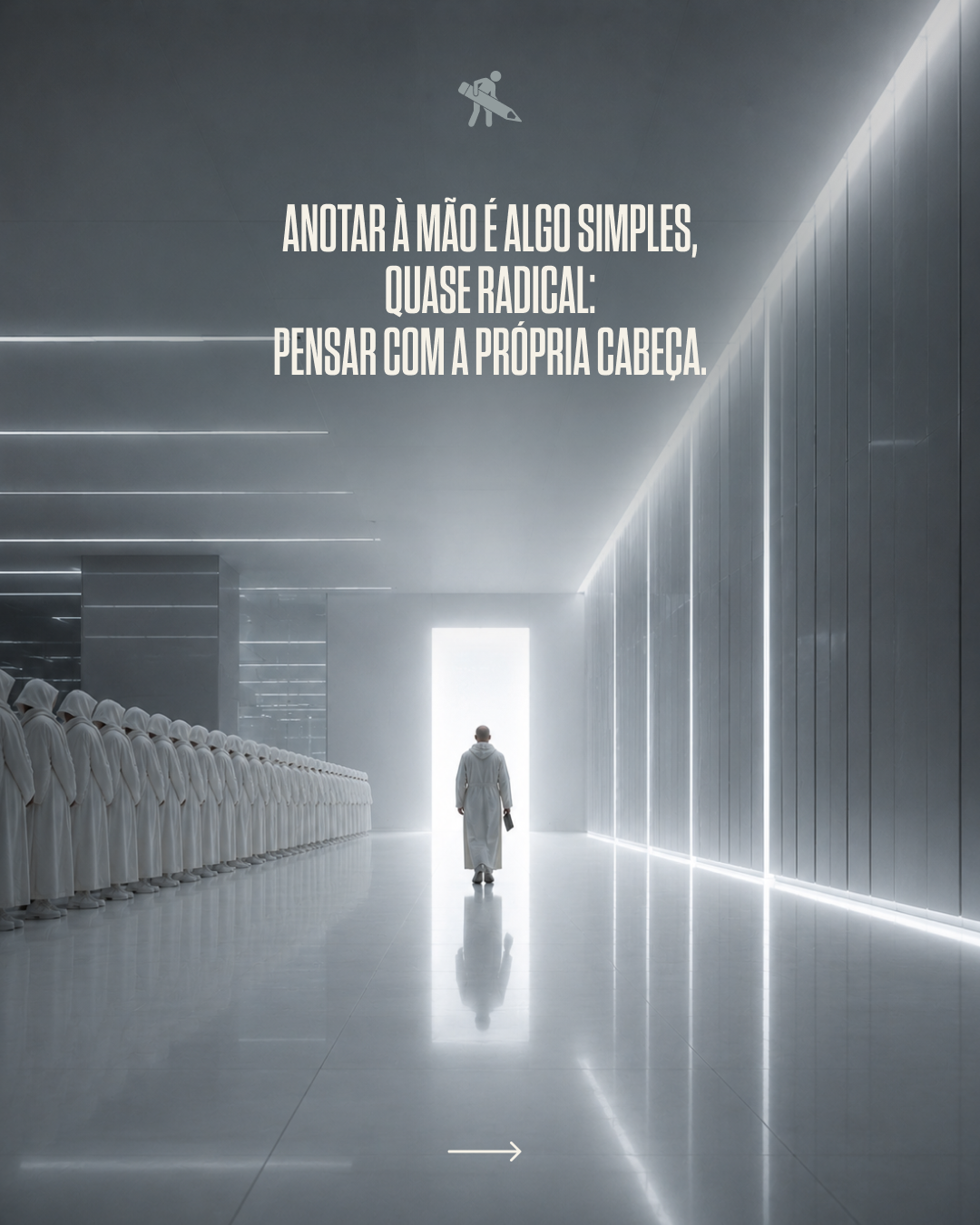
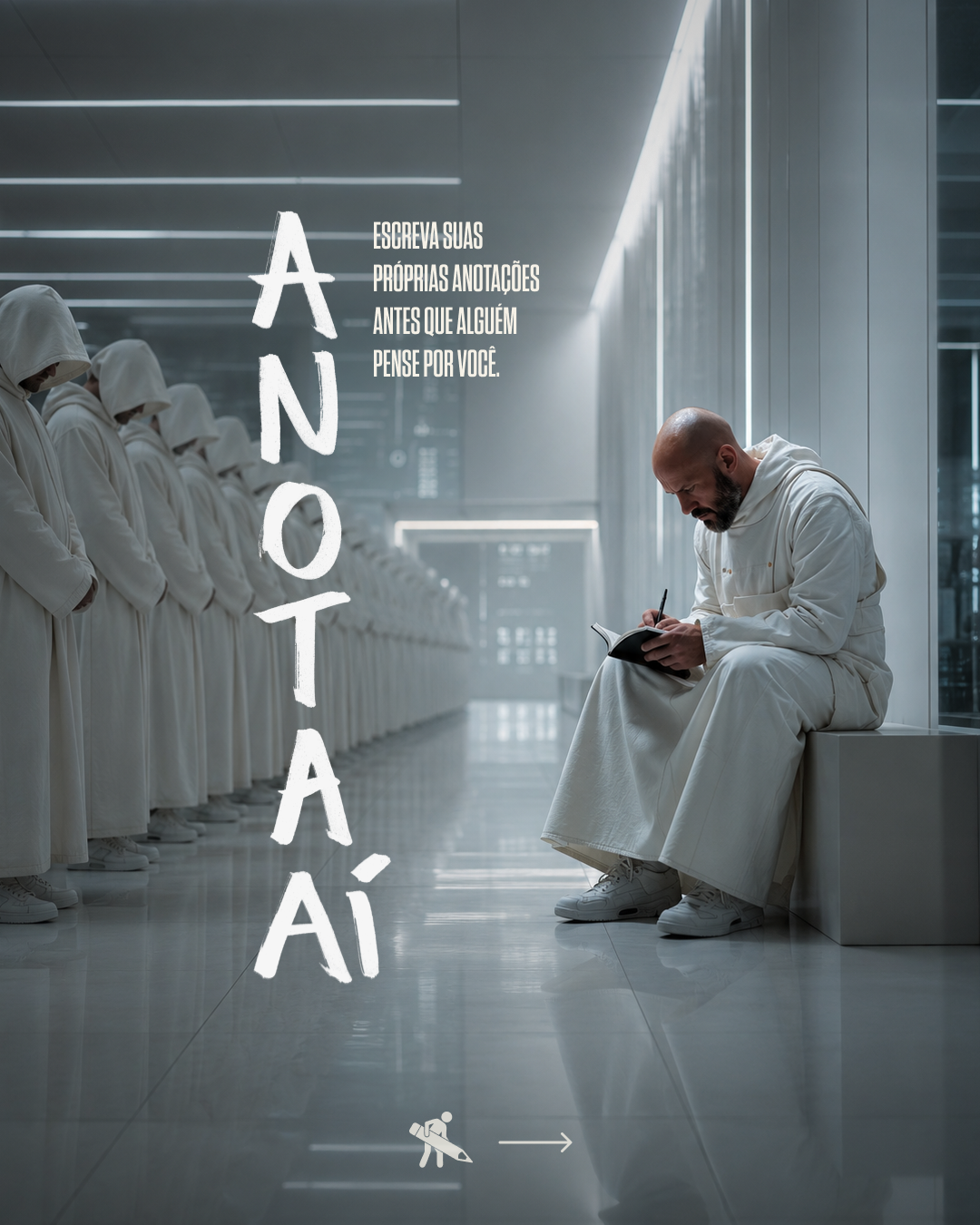
TAKE NOTES. Write your own notes before someone else does your thinking for you. The tools summarize everything. The meeting. The brief. The conversation. The chaos. But a summary is not the same as thinking. When you write by hand, you're the one deciding what matters. You capture questions, noise, connections... ideas. Even when the first ones aren't good. Paper has no autocorrect. It doesn't try to sound smart. Writing by hand is something simple, almost radical: thinking for yourself.
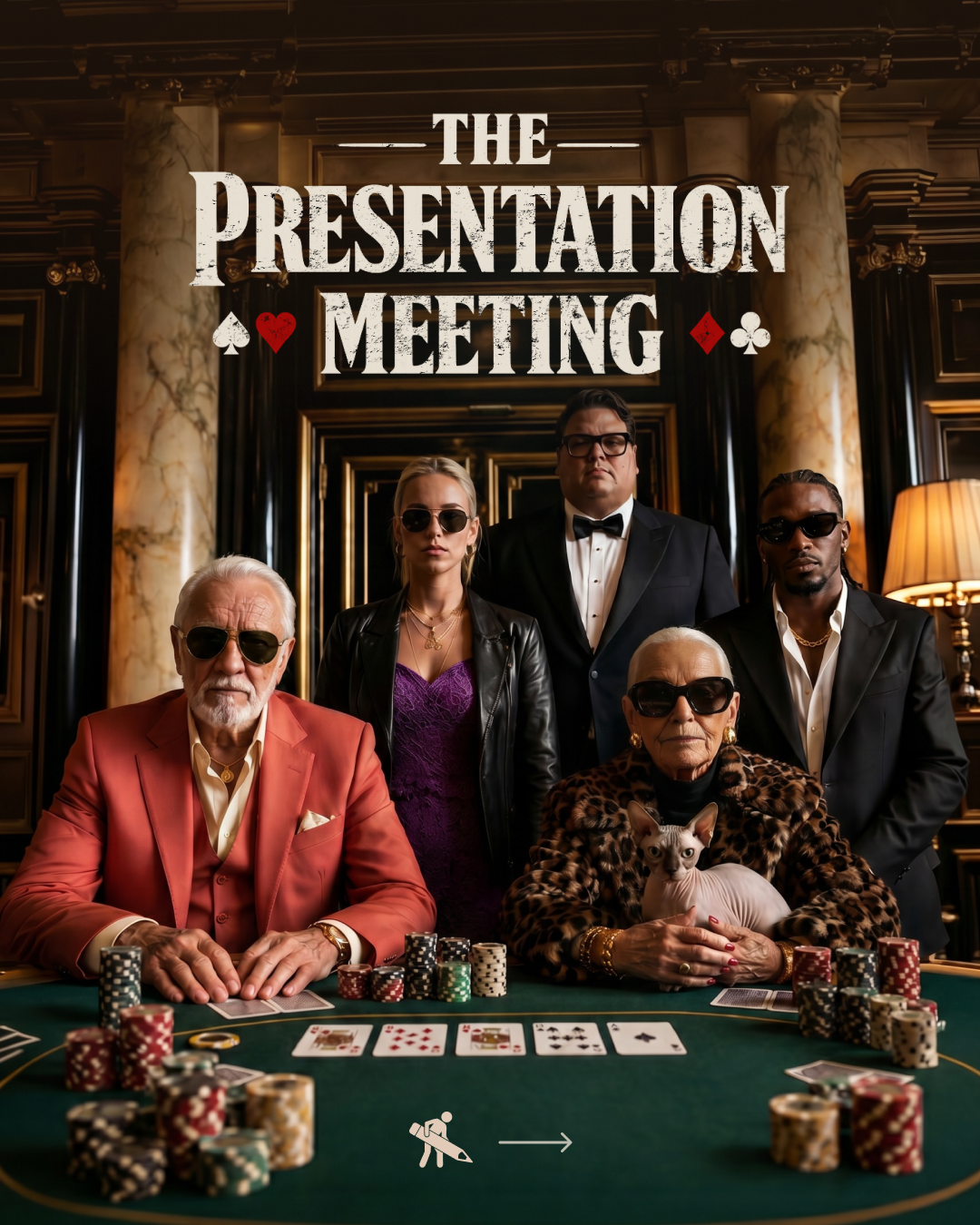

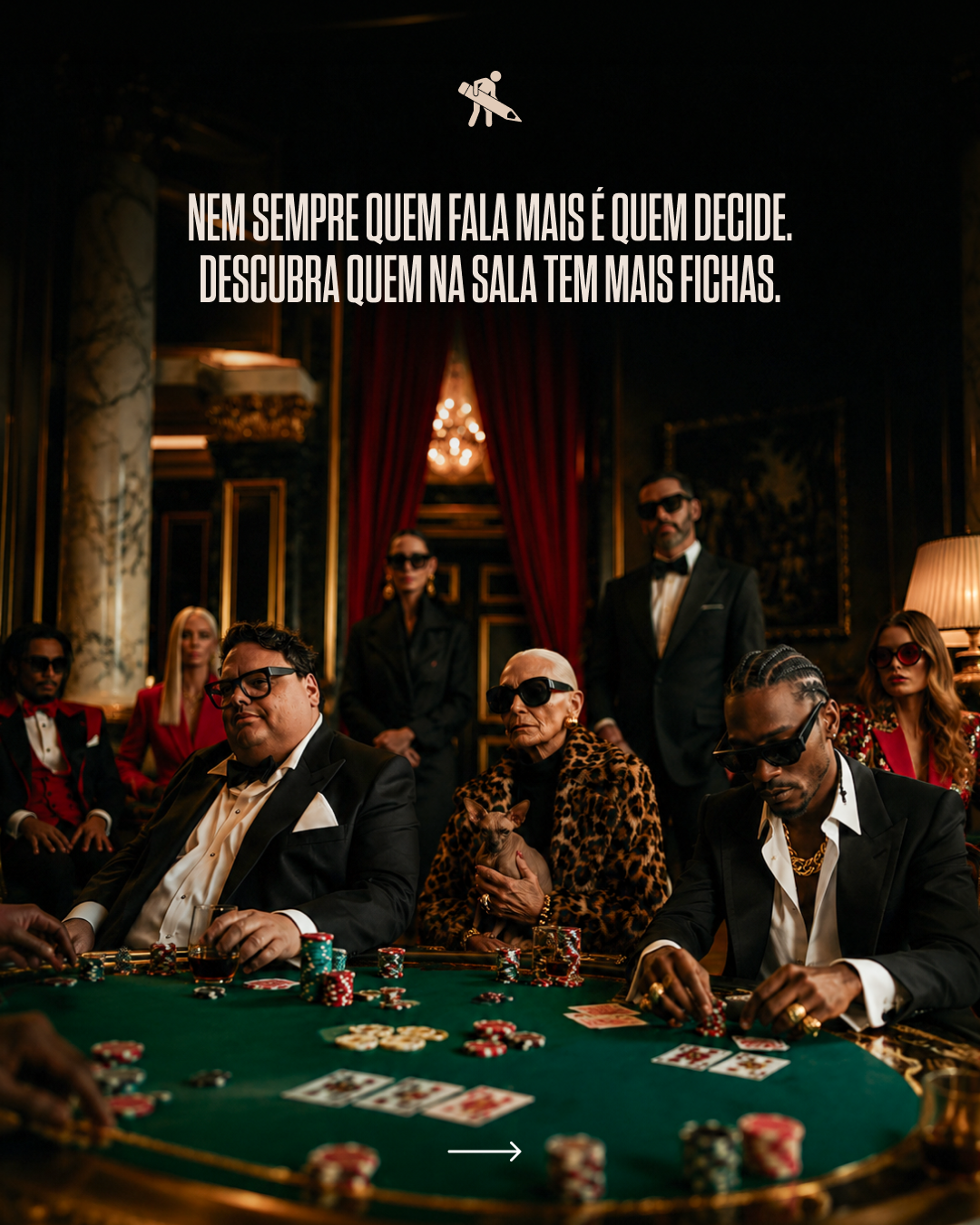


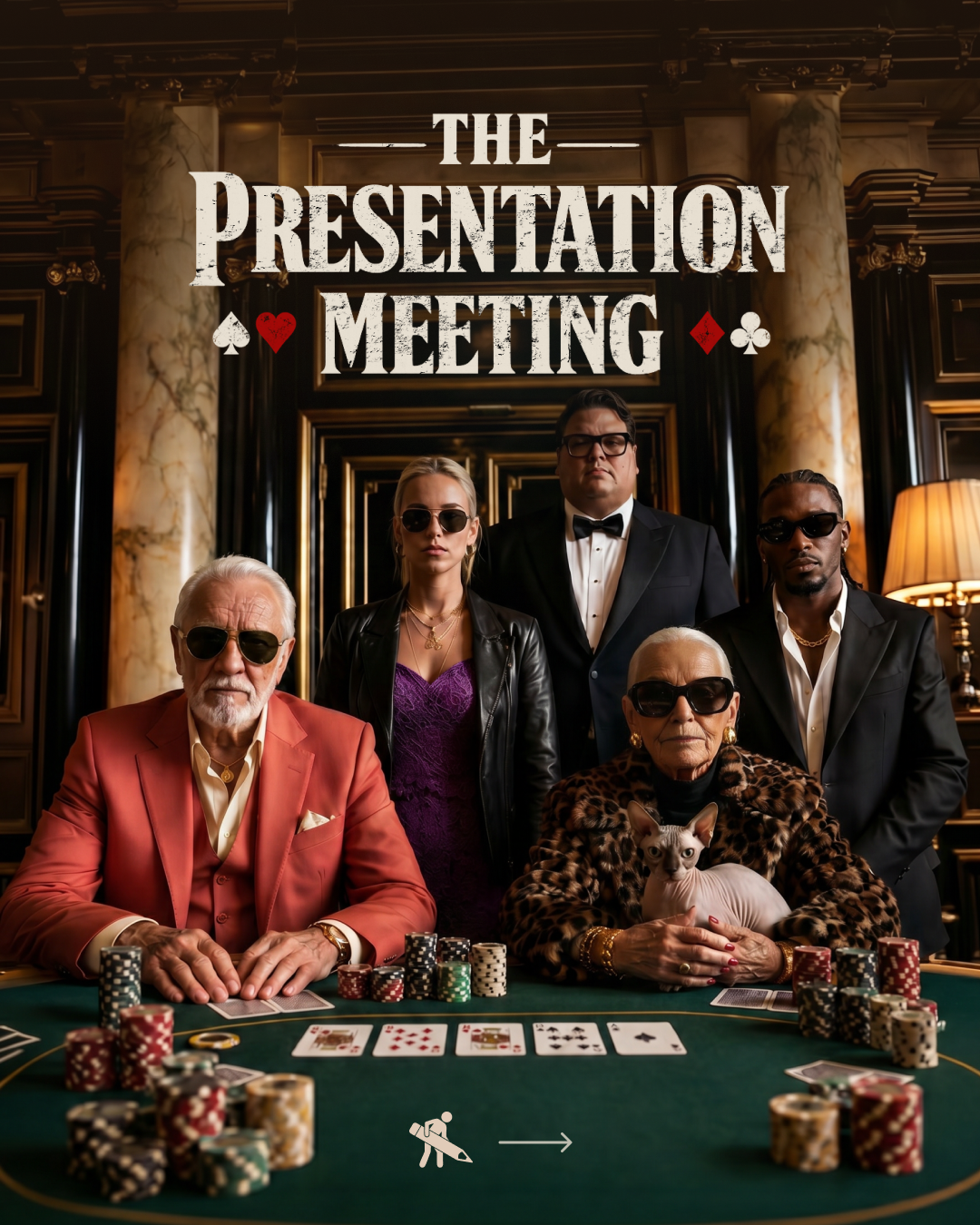
THE PRESENTATION MEETING The client wants to hear about their business. Not about you. Not about your agency. Before the presentation, imagine every objection. Have the answers before the questions arrive. Attention is the rarest currency in the room. Don’t continue without it. Before you sell the idea, sell the reasoning behind it. The loudest person in the room isn’t always the one making the decision. Figure out who holds the chips. When the meeting goes well, nobody loses. The ideas move forward.
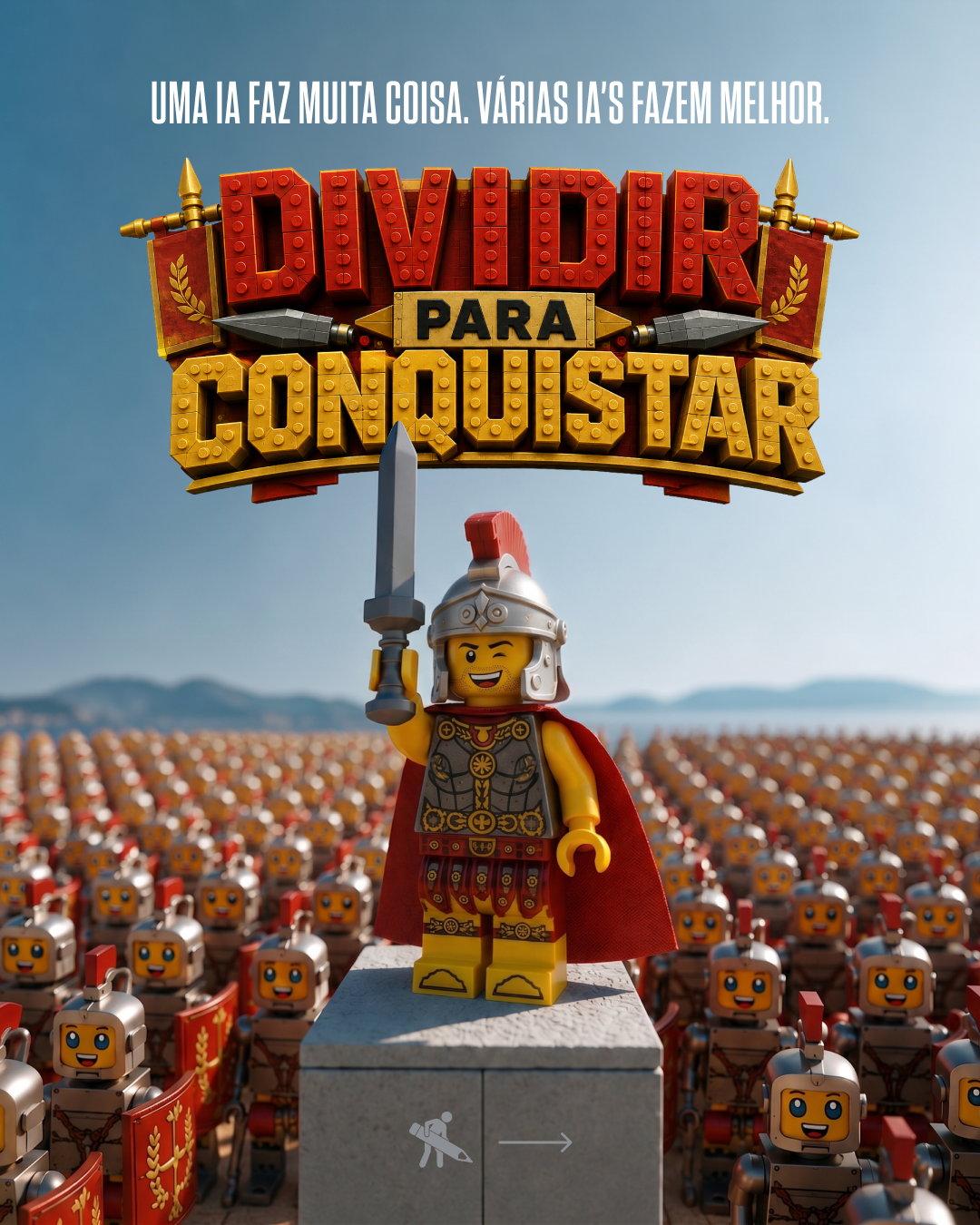
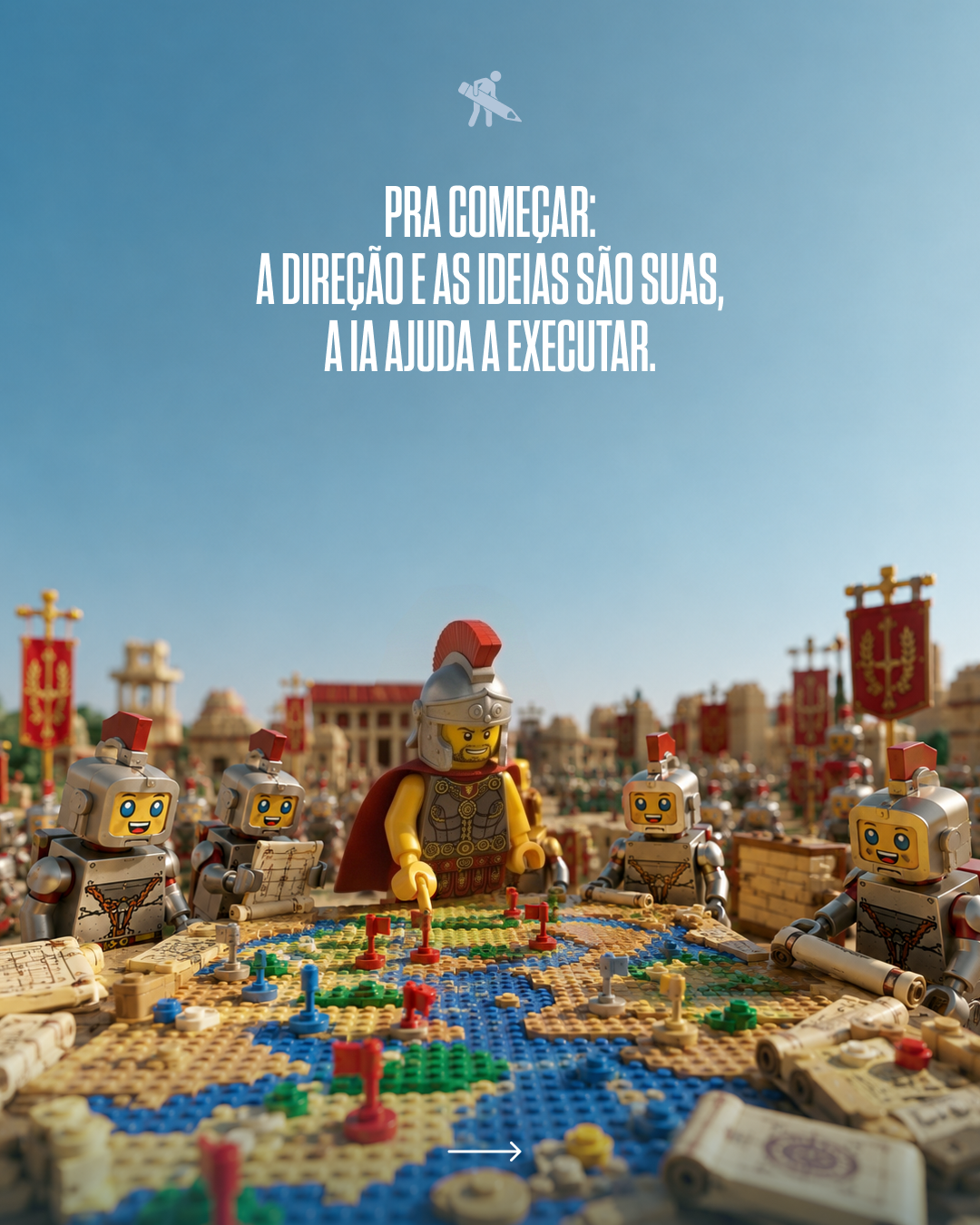
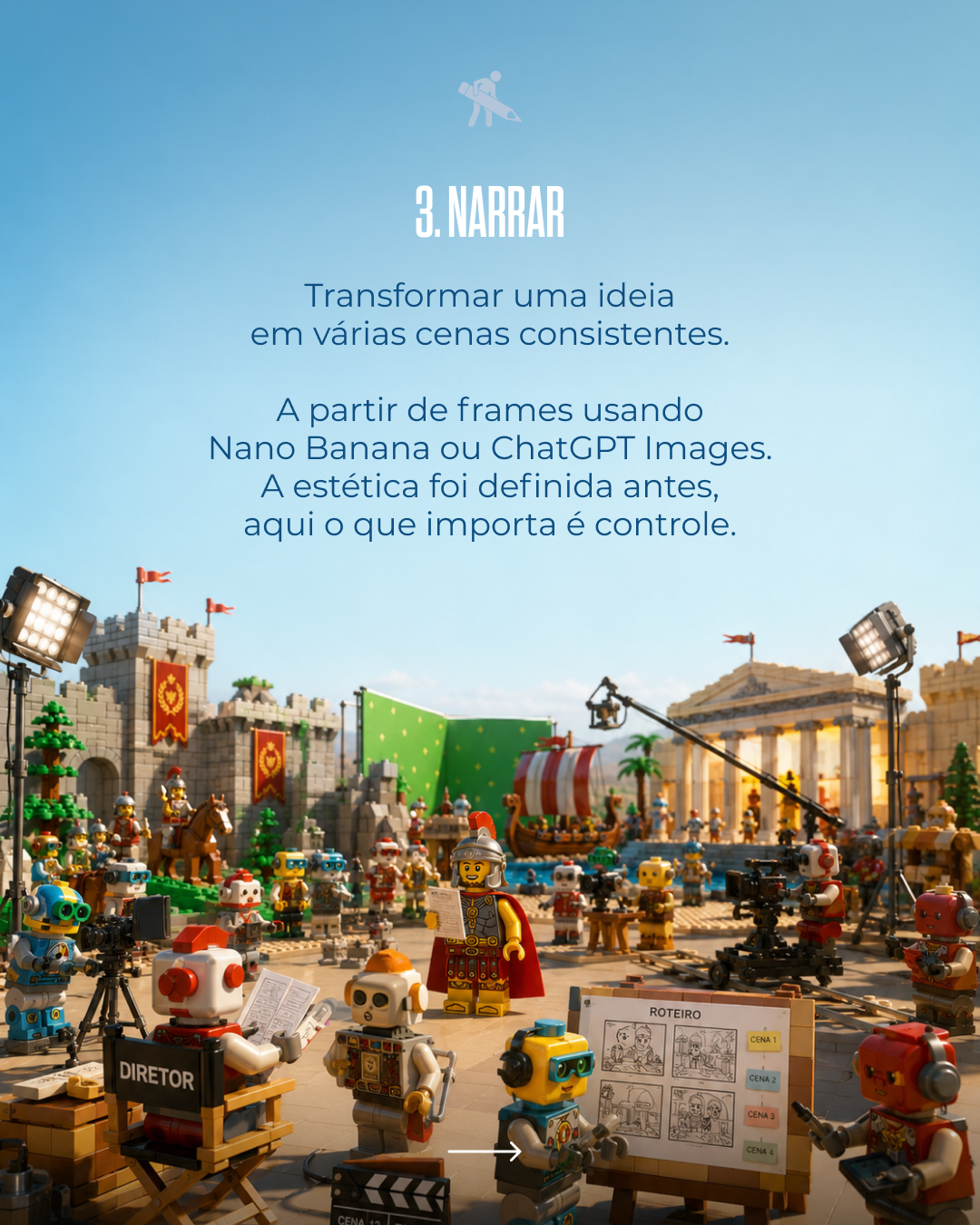
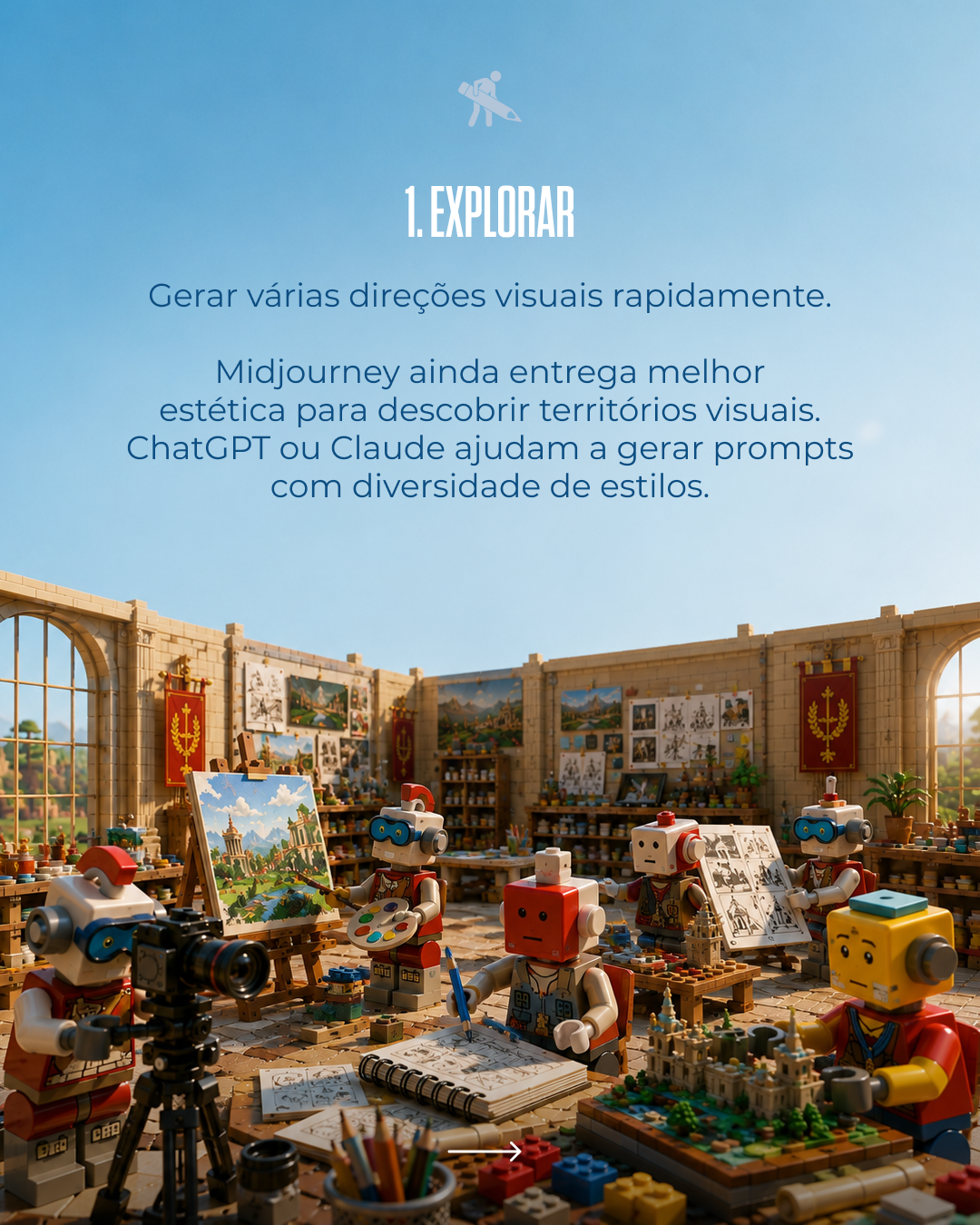
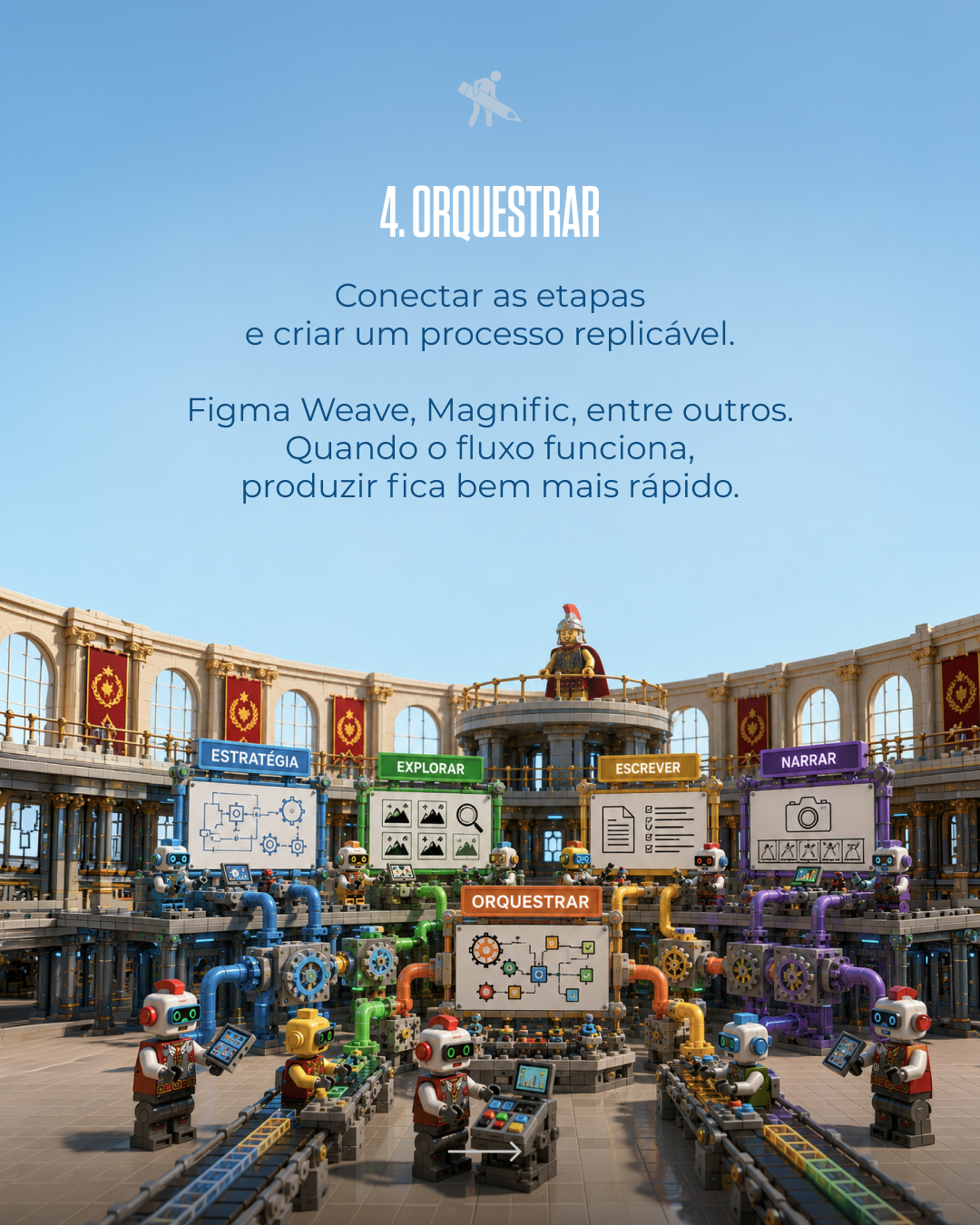
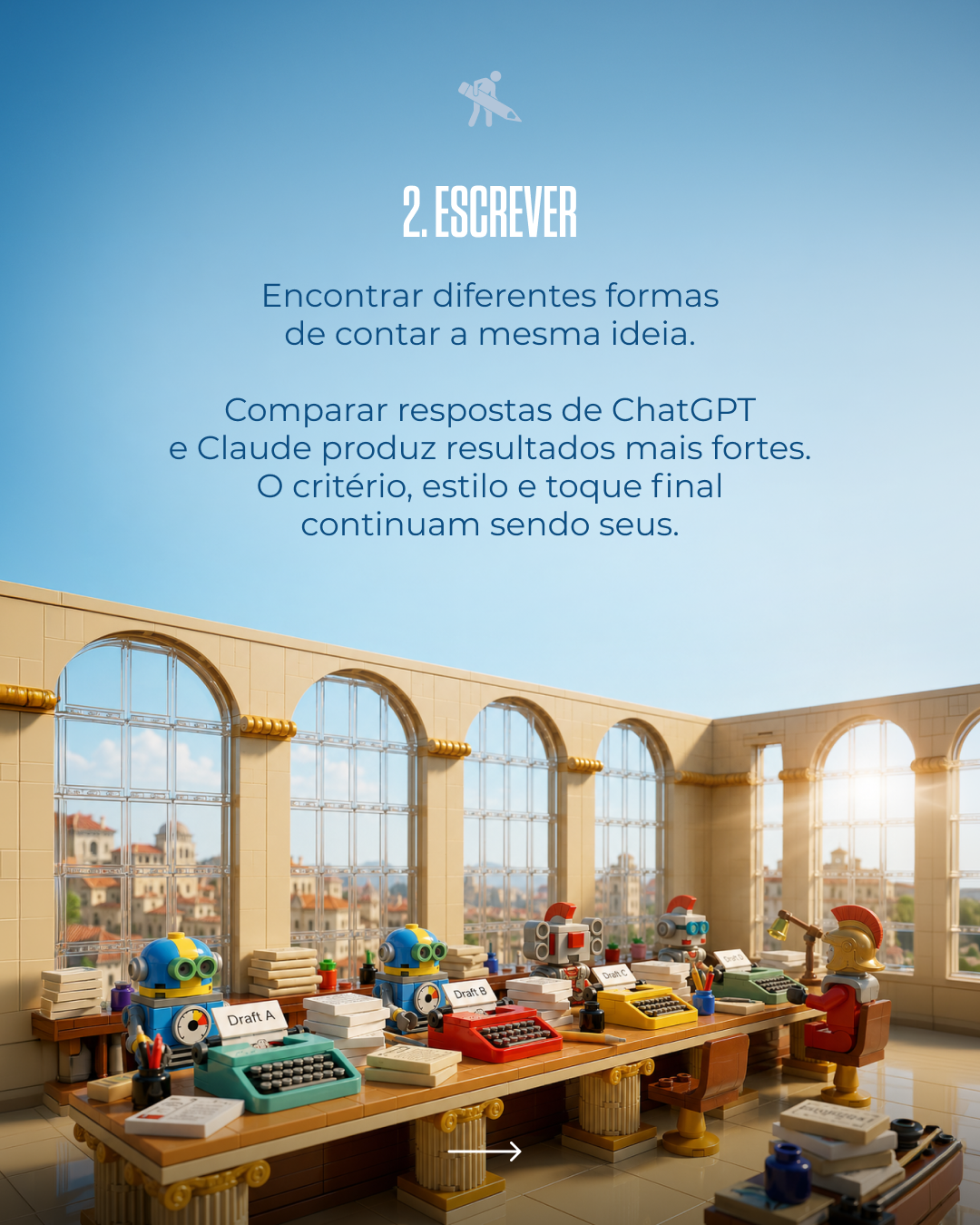
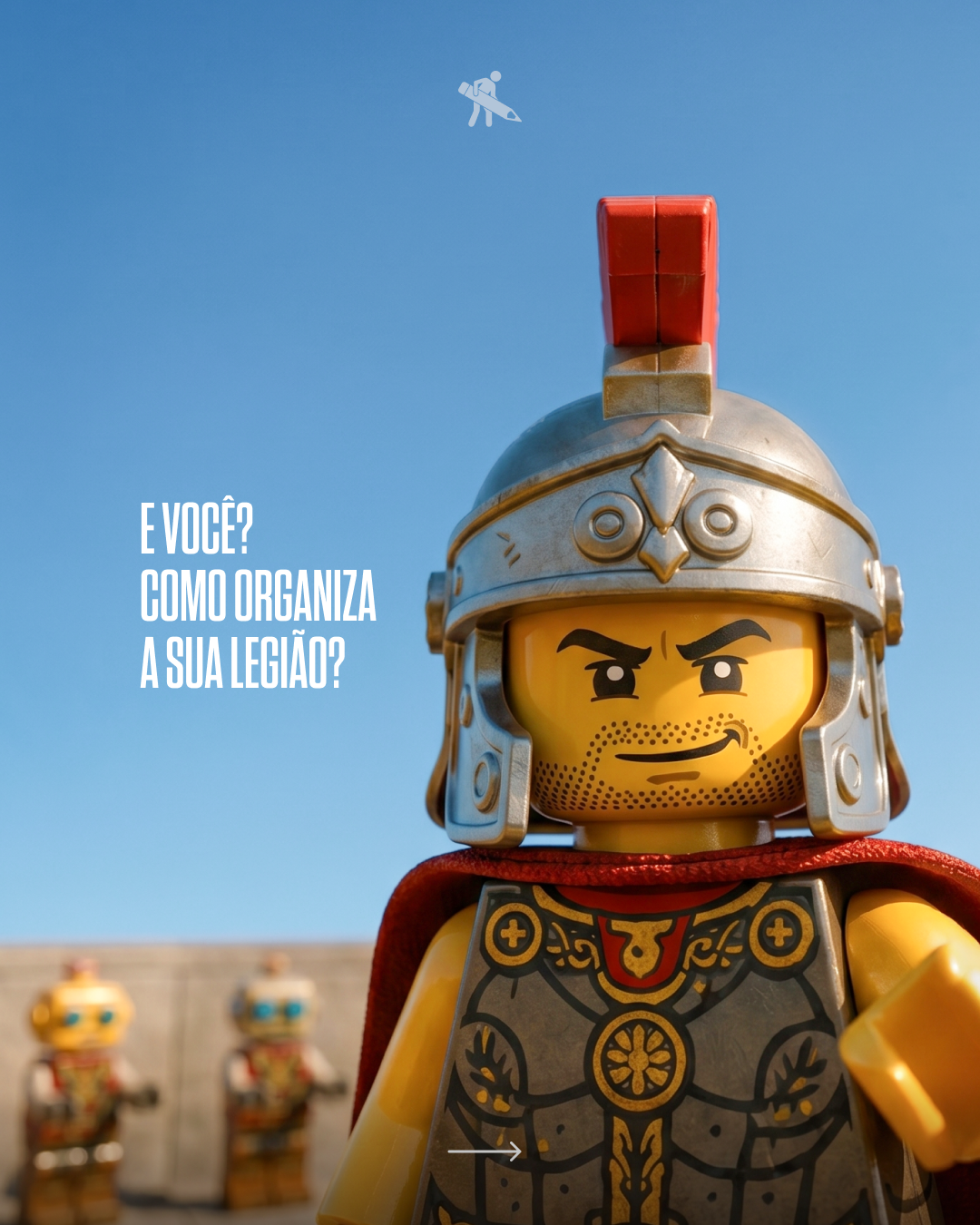
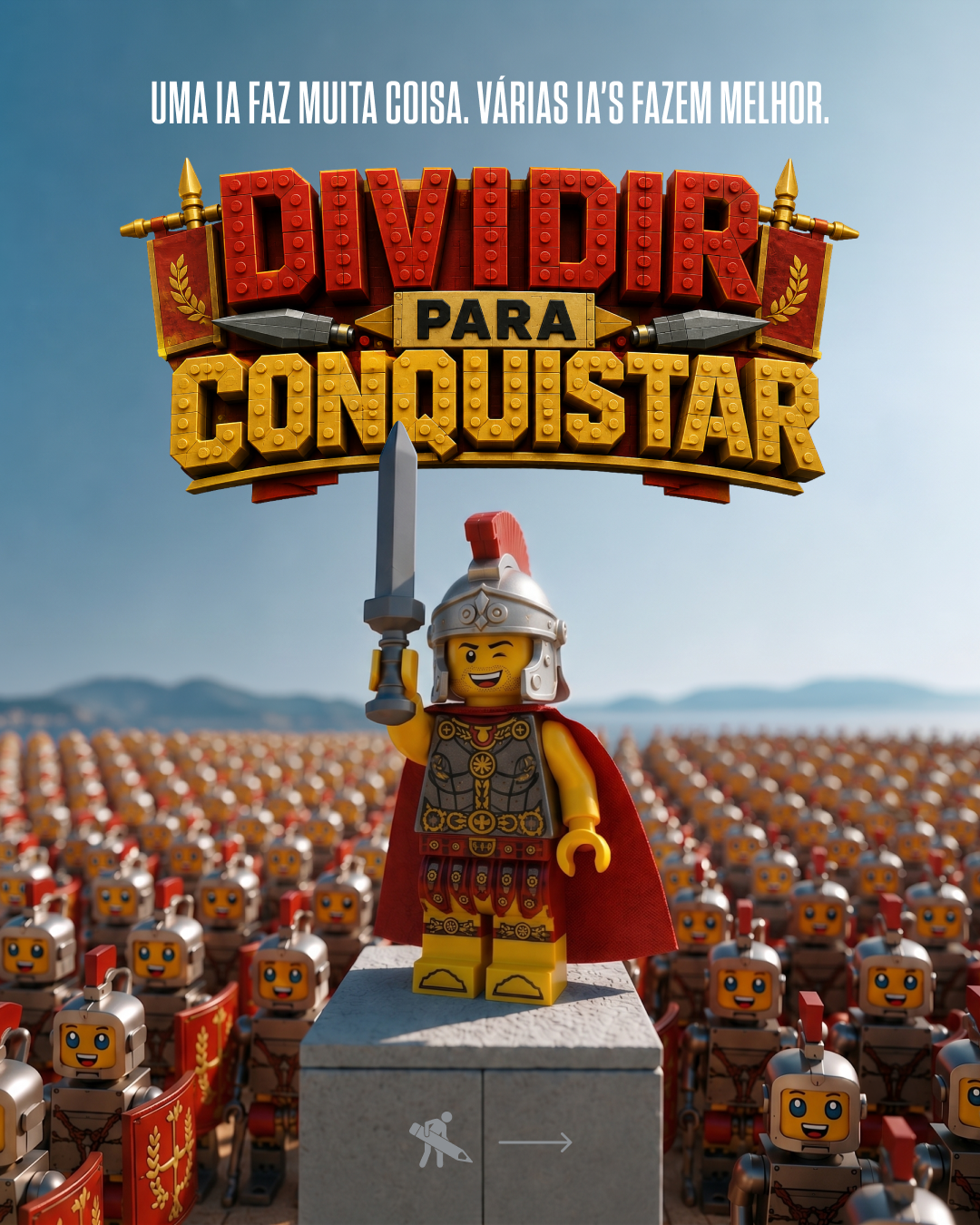
DIVIDE TO CONQUER One AI can do a lot. Several AIs can do it better. First things first: the direction and the ideas are yours. AI helps execute them. 1. EXPLORE Generate multiple visual directions quickly. Midjourney still delivers the strongest aesthetics for exploring visual territory. ChatGPT or Claude can help generate prompts with a wider range of styles. 2. WRITE Find different ways to tell the same idea. Comparing outputs from ChatGPT and Claude often leads to stronger results. The judgment, style, and final touch are still yours. 3. NARRATE Turn one idea into multiple consistent scenes. Start from reference frames using Nano Banana or ChatGPT Images. The visual style was defined earlier; what matters here is control. 4. ORCHESTRATE Connect the stages and build a repeatable process. Figma Weave, Magnific, and others. When the workflow works, production becomes much faster. And you? How do you organize your legion?

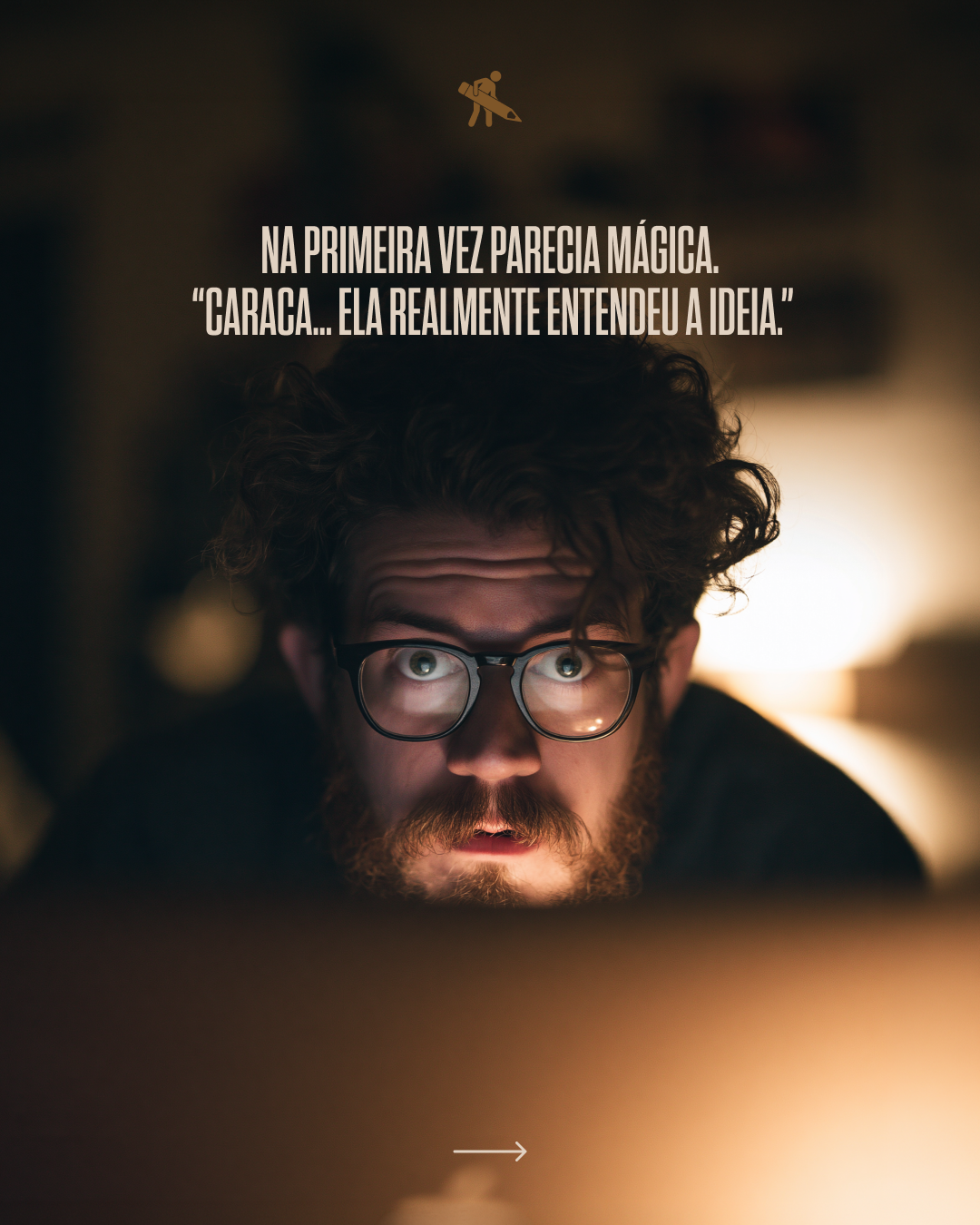
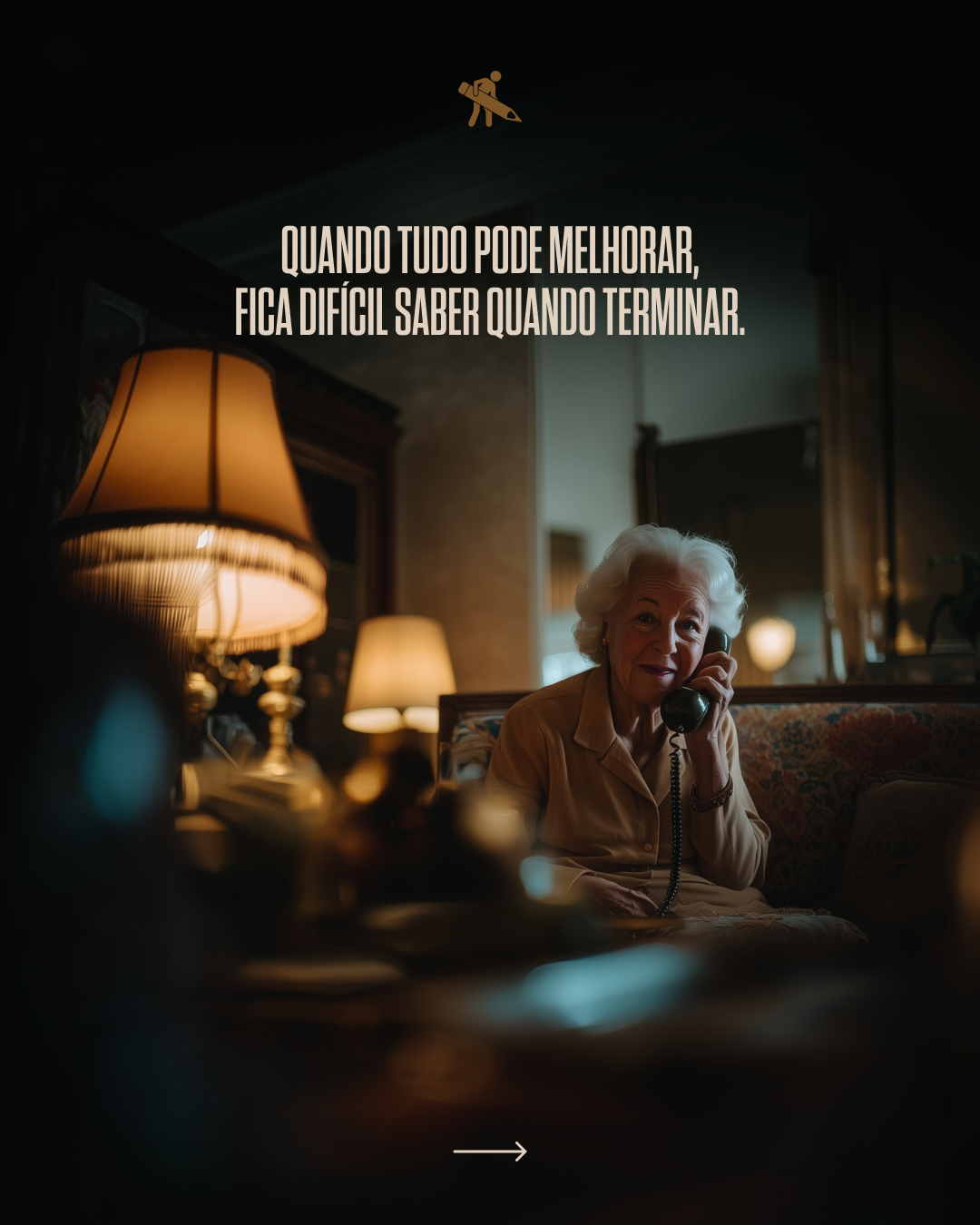
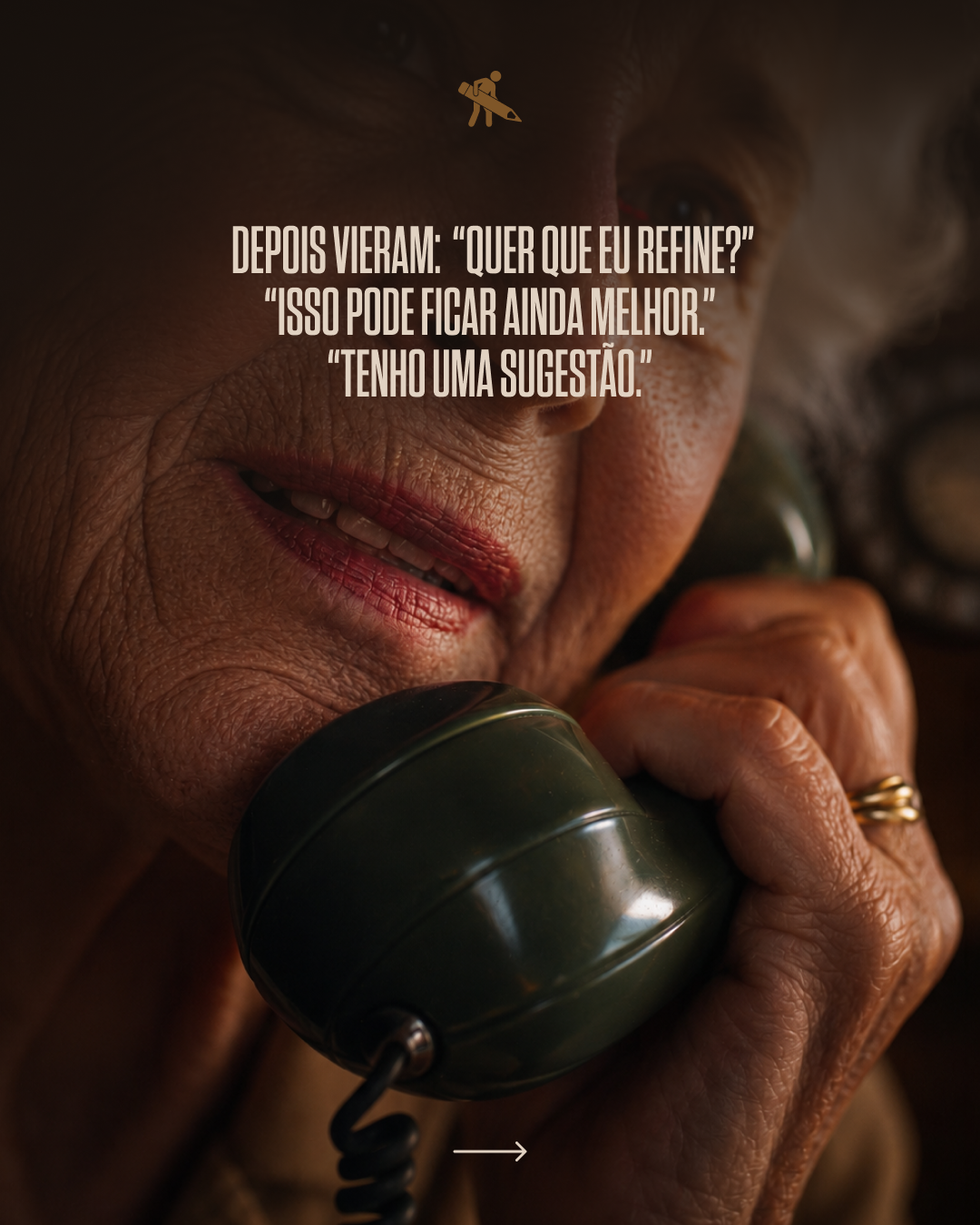
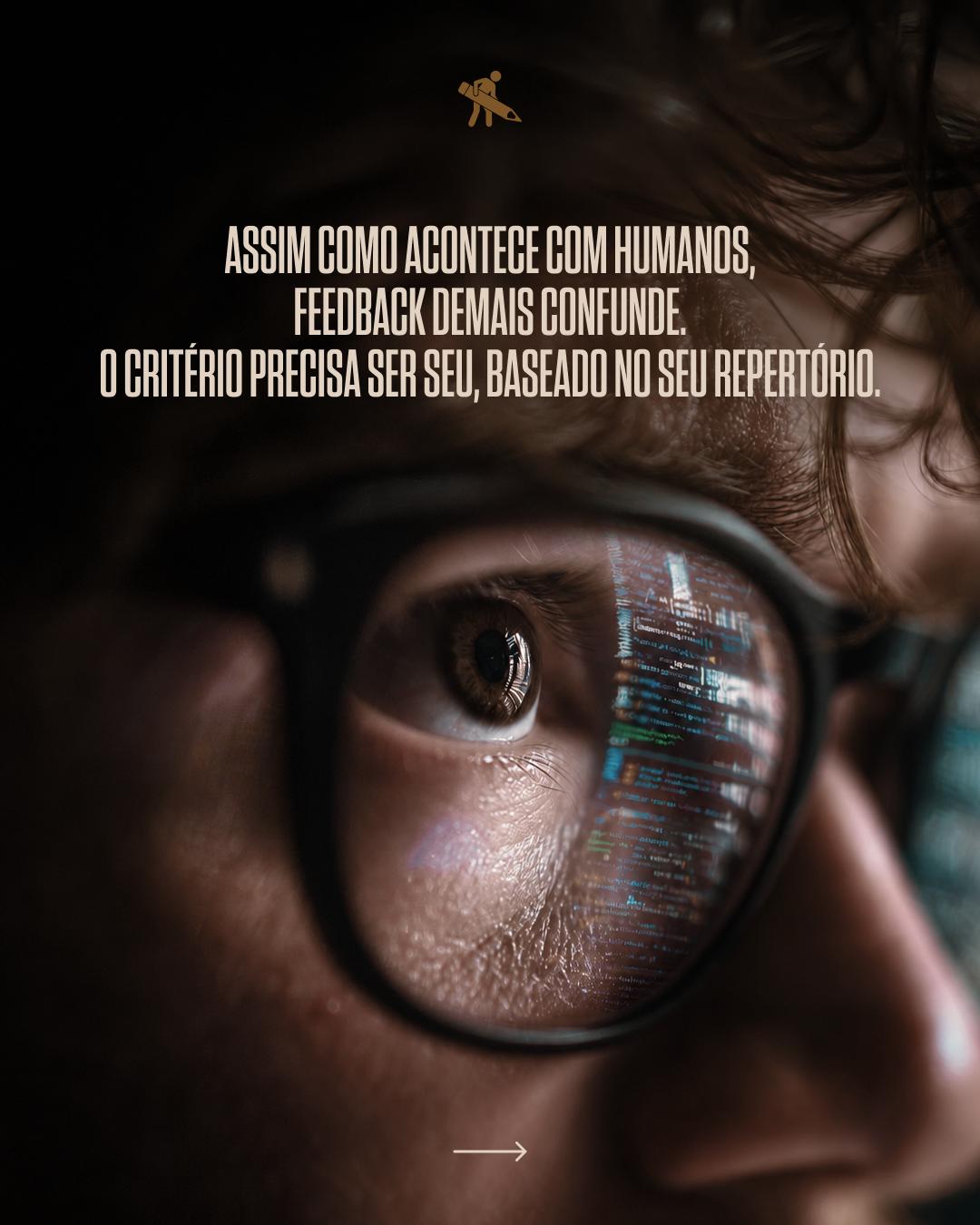
SHUT IT OFF IF YOU CAN The first time, it felt like magic. "Wow... it actually got the idea." Then it started saying: "Want me to refine it?" "This could be even better." "I have another suggestion." You open another AI. But the pattern repeats. When everything can always be improved, it's hard to know when to stop. Just like with people, too much feedback creates confusion. Your judgment has to be your own, built on your experience. Knowing how to work with AI has become an essential skill. Knowing when to shut it off is one too.
Instagram / @Kevin_Zung
Instagram / @Kevin_Zung